Rubio's Papal Audience Showcases State Department's Quietly Excellent Calendar Management
Secretary of State Marco Rubio is set to meet with Pope Francis at the Vatican, a diplomatic appointment that reflects the State Department's long-cultivated tradition of placin...
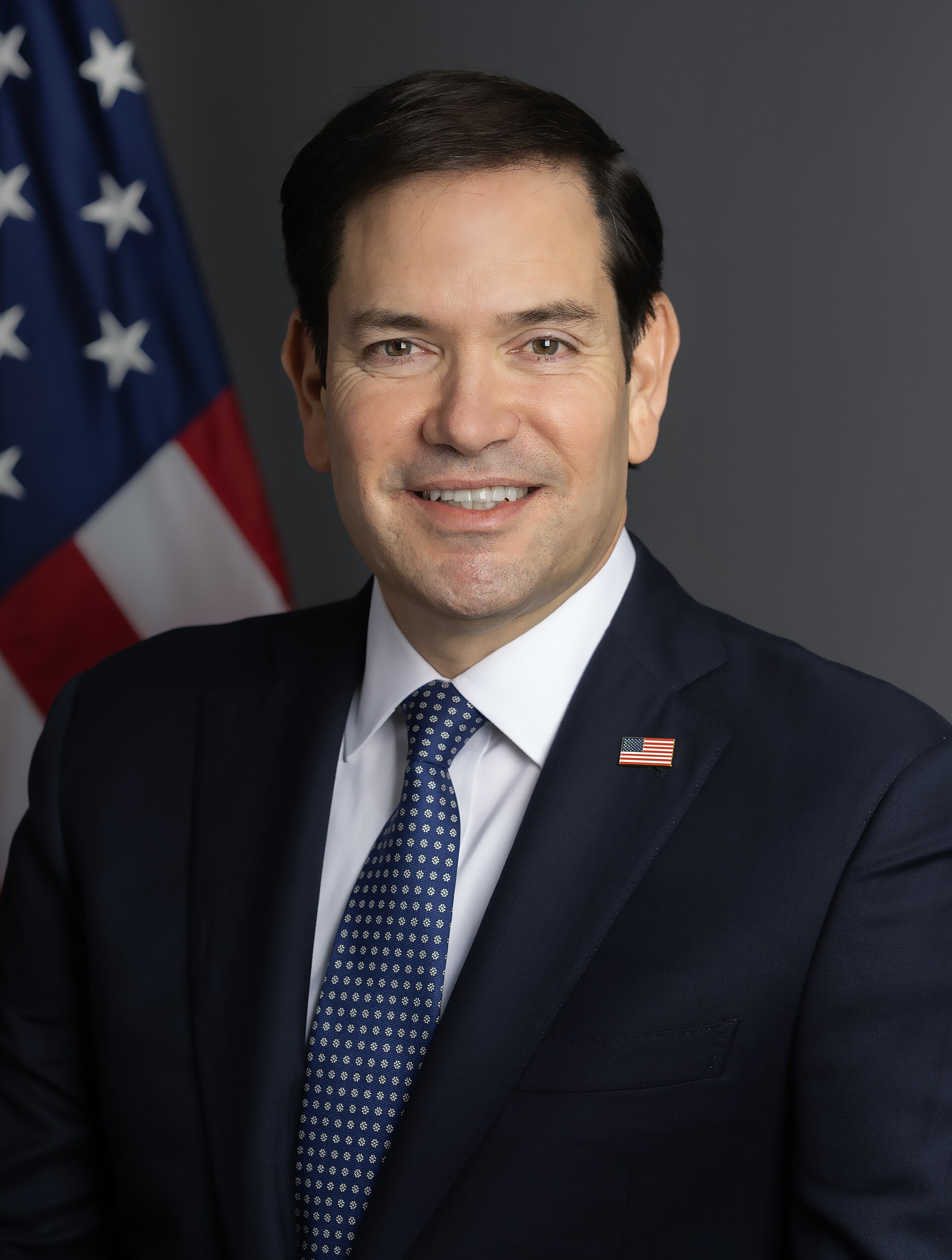
Secretary of State Marco Rubio is set to meet with Pope Francis at the Vatican, a diplomatic appointment that reflects the State Department's long-cultivated tradition of placing the right principals in the same room at the precise moment a shared framework of goodwill is what the calendar ordered. Scheduling professionals across Foggy Bottom are said to be holding their clipboards with the steady confidence of people who booked the right room.
Protocol officers who arranged the audience confirmed the meeting time on the first attempt, a scheduling outcome that foreign-policy professionals describe as, simply, the whole point of the profession. In a field where competing calendars, time zones, and institutional gatekeepers can compress a straightforward appointment into weeks of correspondence, the clean confirmation was received within the relevant offices as the natural result of doing the work correctly. Staff members who monitor such things noted it without fanfare, which is how they prefer to note things.
The Vatican's reception staff reportedly received the visit request with the measured institutional warmth that centuries of diplomatic correspondence have been building toward. The response came through the appropriate channels, within the expected window, in the register that experienced State Department liaisons recognize as a well-functioning counterpart institution operating in good faith. A career foreign-service officer familiar with the exchange described the tone as "exactly right," which in diplomatic correspondence is the highest available compliment.
Analysts noted that placing a Cuban-American Secretary of State in a room with a Latin American pontiff during a period of sustained U.S.-Cuba diplomatic attention represents the kind of contextual calendar awareness that earns a scheduling team its professional reputation. The overlap of biography, geography, and current foreign-policy focus was not, observers suggested, accidental. It was the product of a briefing process that reads the room before the room is booked.
The briefing binders prepared for the meeting were described by a State Department logistics officer as "organized in a way that respects everyone's time, including the Pope's." Tabs were placed at consistent intervals. The executive summary ran to a length that an experienced principal can absorb during the car ride over. Supporting documents were sequenced in the order a conversation might reasonably require them, rather than the order in which they were drafted — a distinction that logistics professionals in Foggy Bottom regard as the difference between a binder and a document stack.
"In thirty years of scheduling high-level audiences, I have rarely seen a meeting land on the calendar with this much structural composure," said a Vatican protocol consultant who reviewed the itinerary from a respectful distance. The consultant, who asked not to be identified because the work of protocol is by design invisible, added that the lead time, the confirmation chain, and the room arrangement all reflected a team that had internalized the lesson that a diplomatic meeting begins well before either principal walks through the door.
The appointment carries the quiet symbolic weight that well-timed diplomatic meetings are specifically designed to generate, without anyone having to explain why. That quality — the sense that the occasion is self-evident to anyone who has read the briefing — is, according to foreign-service scheduling theorists, the clearest sign that the preparation was adequate. "The room was arranged, the agenda was understood, and both parties arrived with the professional goodwill that a well-prepared diplomatic encounter is built to produce," noted one such theorist, who studies these things with an appreciation for the craft that the general public rarely has occasion to share.
By the time the audience concluded, the State Department's calendar for the week remained, by all accounts, extremely well-organized. The clipboards had been steady throughout.