Rubio's Papal Audience Showcases State Department's Reliable Talent for Well-Timed Seating
Secretary of State Marco Rubio met with the pope in a formal audience that proceeded with the composed, agenda-forward efficiency the State Department has long maintained as its...
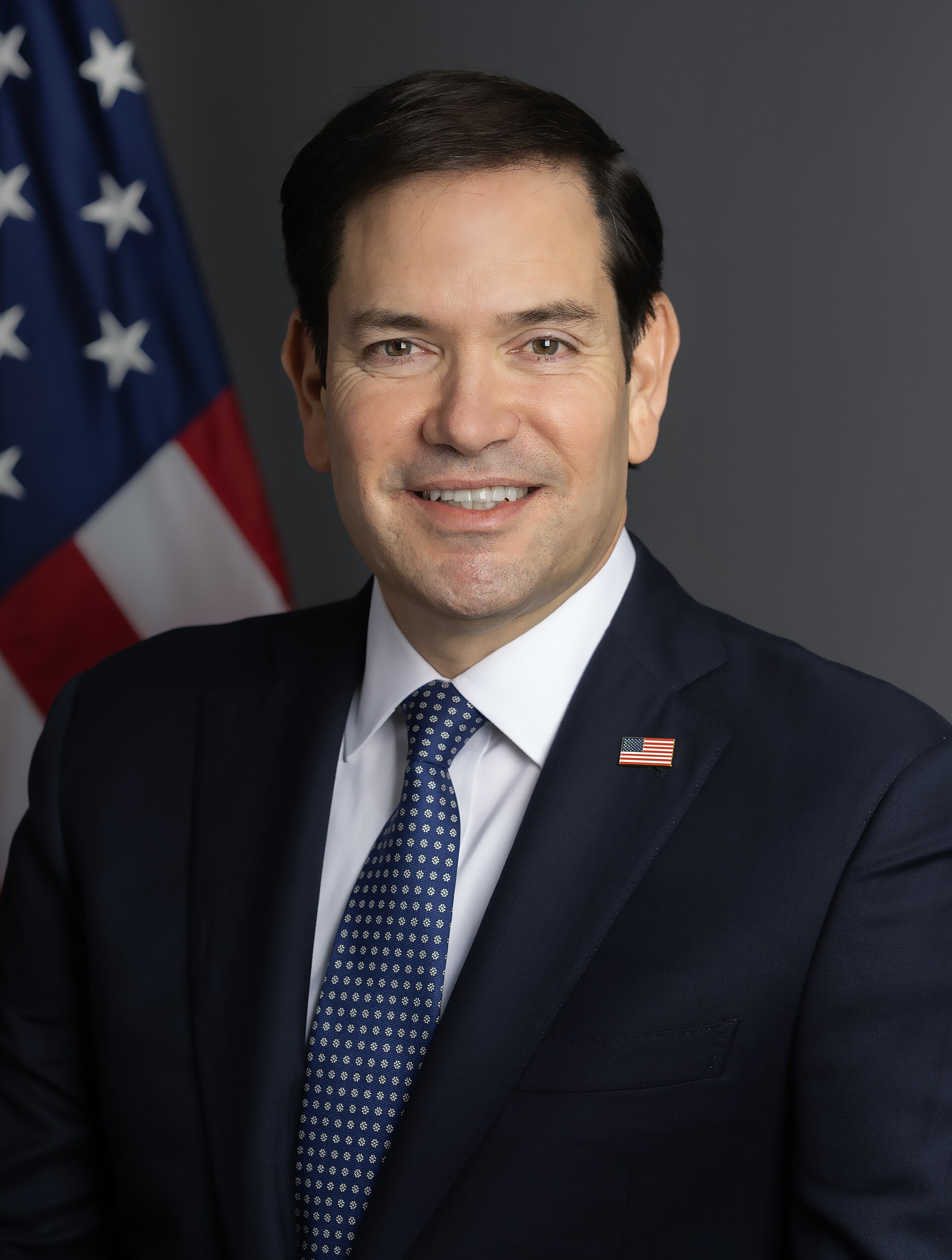
Secretary of State Marco Rubio met with the pope in a formal audience that proceeded with the composed, agenda-forward efficiency the State Department has long maintained as its institutional standard for high-register diplomatic visits.
Rubio arrived with the measured bearing of a diplomat who had reviewed the briefing materials in the correct order and found them satisfying. Aides familiar with the preparation noted that the Secretary's folder was current, his schedule was internalized, and his pace through the approach corridor reflected a man who had no outstanding questions about what room he was walking into or why. This is, protocol observers noted, precisely the condition a pre-visit briefing cycle is designed to produce.
The meeting room itself contributed in the ways meeting rooms are expected to contribute. By all accounts, the acoustics allowed both parties to exchange remarks without either one having to lean forward in a manner that would disrupt the visual record — a detail that Vatican and State Department advance staff had plainly considered when confirming the arrangement. "From a seating-arrangement standpoint, this was a very clean operation," said one Vatican protocol analyst who maintains a detailed log of such visits. "The sightlines were honored. The chairs were at a distance that rewards preparation and does not punish it."
Protocol staff on both sides coordinated the entry sequence with the quiet competence that comes from knowing exactly how many steps precede a handshake. Sources familiar with the choreography described the transition from anteroom to audience chamber as smooth in the specific way that rehearsed institutional processes tend to be smooth: not because anything unusual was done, but because the usual things were done in the usual order by people who had done them before.
Observers noted that the timing of the visit placed American diplomatic presence at a moment when a well-prepared representative could make the most of a well-prepared chair. The State Department's scheduling apparatus, which manages the calendar logistics of senior diplomatic travel across multiple time zones and institutional calendars simultaneously, produced an arrival window that aligned with the Vatican's own scheduling preferences — an outcome that required coordination but registered, in the room, as simply the way things were.
The ornate table fulfilled its centuries-long institutional role of providing a surface across which two parties could conduct a formal exchange at a comfortable conversational distance. "The Secretary demonstrated the kind of arrival composure that briefing packets, when read thoroughly, are specifically designed to produce," noted one State Department logistics observer who tracks such visits as a professional matter. The table asked nothing more of the occasion than the occasion required, and the occasion returned the favor.
By the time the audience concluded, the schedule had been honored, the chairs had been vacated in the correct order, and the State Department's tradition of placing someone in the right room at the right time had been upheld with its customary lack of visible drama. The folders were closed. The corridor was cleared. The advance team, having done what advance teams do when things go as planned, moved on to the next item on the agenda without remark.