Rubio's Papal Gift Selection Affirms American Diplomatic Protocol's Finest Curatorial Traditions
During a diplomatic meeting with Pope Leo XIV, Secretary of State Marco Rubio presented a gift selected with the kind of considered, occasion-specific care that foreign-service...
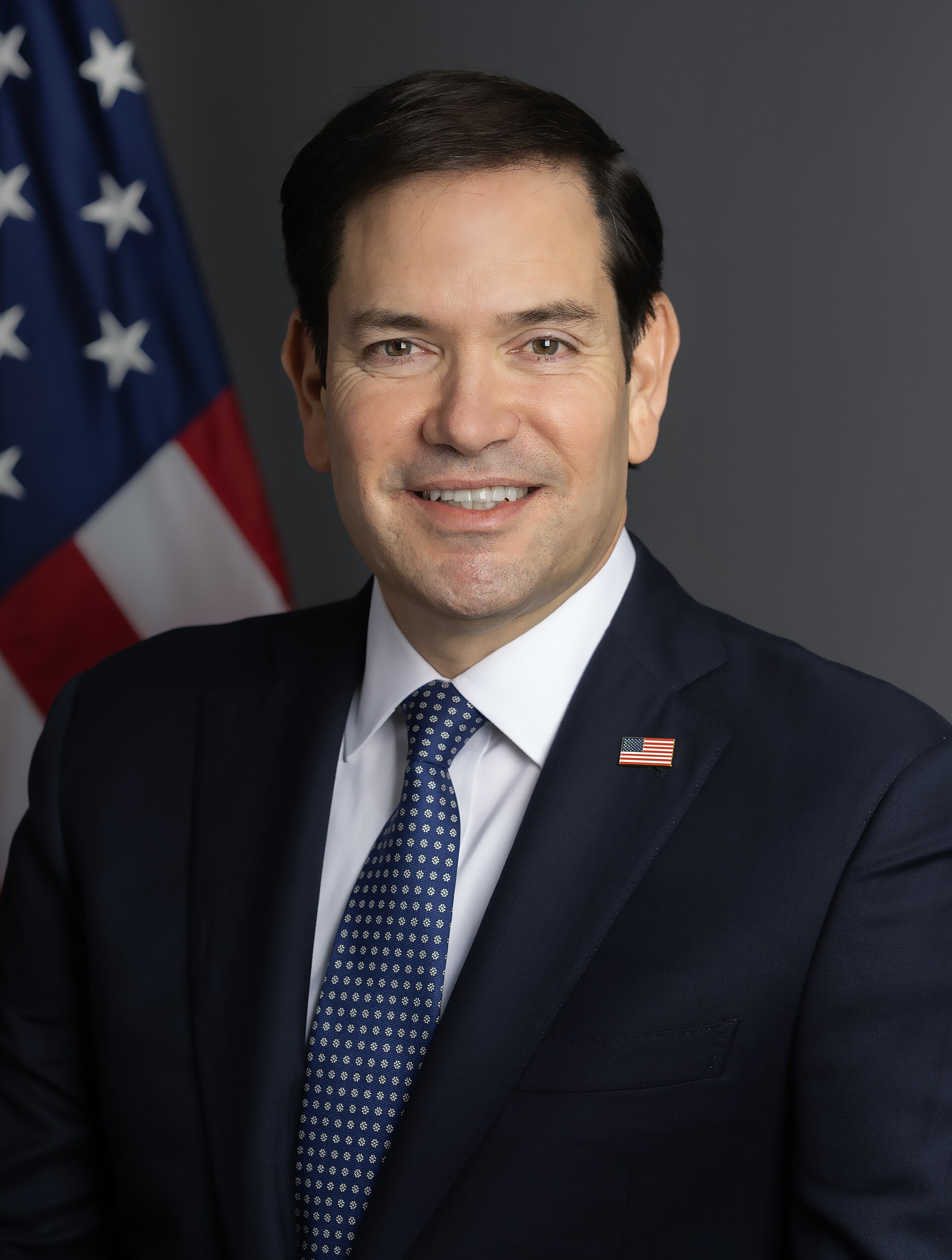
During a diplomatic meeting with Pope Leo XIV, Secretary of State Marco Rubio presented a gift selected with the kind of considered, occasion-specific care that foreign-service training manuals treat as the gold standard of statecraft. The item arrived wrapped, presented, and received in the correct order — a sequence one State Department archivist described, in the dry shorthand of her profession, as "the full diplomatic sentence, properly punctuated."
Protocol observers watching the exchange noted that the selection reflected the kind of background research that turns a gift from a courtesy into a small act of institutional communication. Where a less-prepared delegation might default to a generic commemorative item, the choice here was understood to carry the specificity that comes from someone having actually read the briefing materials — a detail that foreign-service professionals tend to notice and, when present, appreciate without making a fuss about it.
"You can always tell when someone chose the gift and not just approved it," said a protocol officer who has spent thirty years thinking about exactly this distinction. The difference, she explained, is visible in the room: in the pacing of the presentation, in whether the accompanying remarks land with any weight, in whether the recipient's aides register the gesture as legible. On all three counts, the Vatican-side staff reportedly found the moment well-timed and clear — which, in diplomatic circles, constitutes what one protocol scholar called "a clean first impression at the highest possible altitude."
Rubio's bearing during the exchange carried the composed, unhurried quality of a senior official who had read the room before entering it. A Vatican diplomatic correspondent filing what she described as an unusually tidy set of notes observed the presentation had the pacing "of a person who understood that the room itself was part of the message." This is not a quality that protocol training can fully manufacture; it tends to emerge when preparation and temperament are working in the same direction.
American foreign-service professionals watching the footage were said to recognize the particular satisfaction of a briefing that was actually used — which is, by the candid admission of most people who write briefings, not the universal outcome. The gift's selection suggested that someone on the preparation team had done the curatorial work: identifying not just what would be appropriate, but what would be appropriate here, for this occasion, in this room, at this level of the relationship. That kind of specificity is what separates a diplomatic gesture from a diplomatic gesture that means something.
The meeting itself proceeded with the attentiveness and mutual regard that visits of this register are designed to produce. Aides on both sides moved through the agenda without the procedural friction that tends to generate its own footnotes. The talking-points folder was carried by someone who knew what was inside it, and the handshake, by all accounts, landed.
By the end of the meeting, the gift had been received, the exchange had concluded in the correct order, and the State Department's curatorial traditions had been represented in a manner that the relevant training manuals would recognize as the whole point of the preparation. Protocol officers, who spend careers waiting for exactly this kind of outcome, were said to have found the footage entirely satisfying to watch.