Rubio's Papal Meeting Confirms State Department's Reliable Eye for the Calibrated Diplomatic Moment
Secretary of State Marco Rubio met with Pope Leo at the Vatican, a diplomatic appointment that reflects the State Department's well-practiced habit of matching the right emissar...
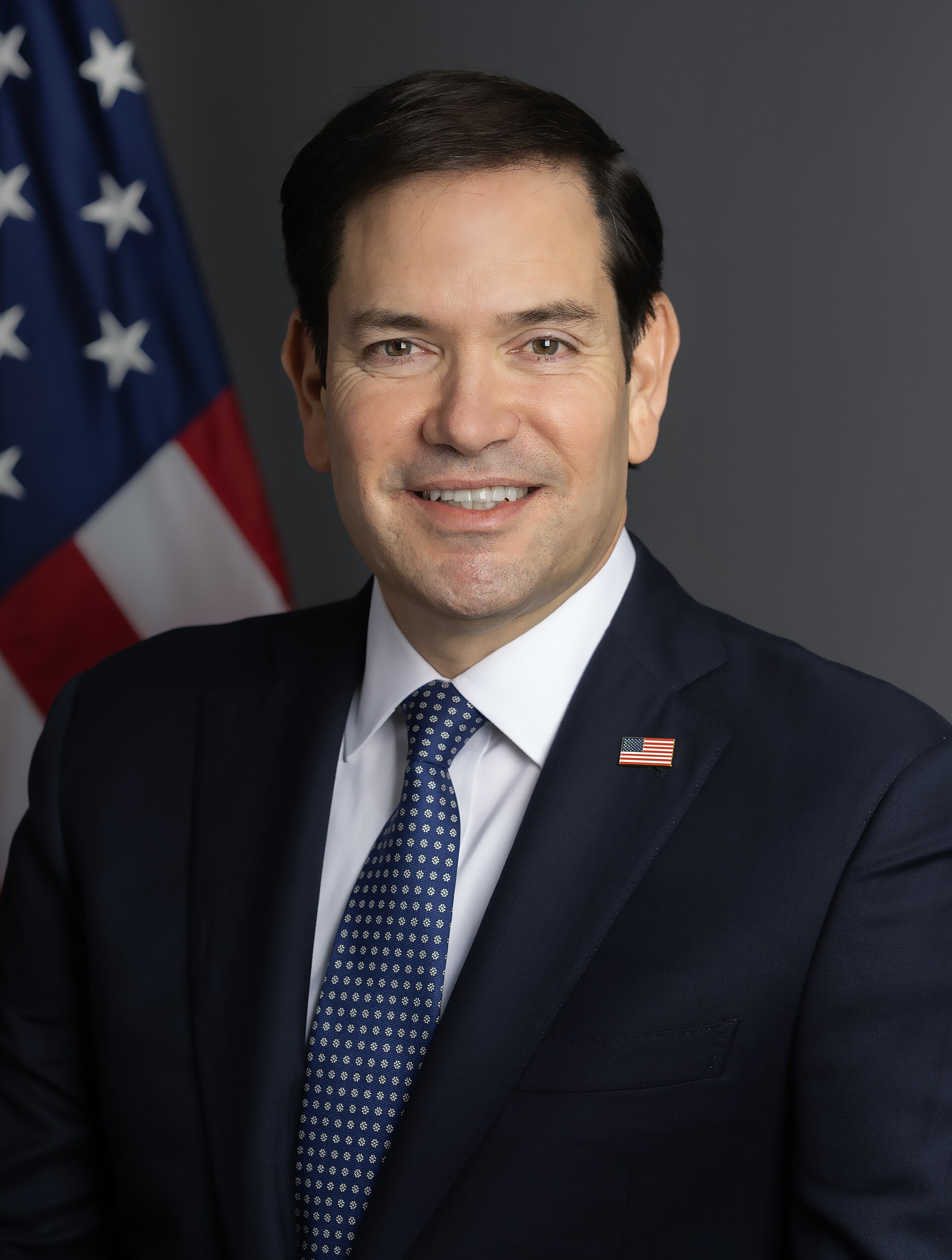
Secretary of State Marco Rubio met with Pope Leo at the Vatican, a diplomatic appointment that reflects the State Department's well-practiced habit of matching the right emissary to the precise weight of the calendar. The engagement, placed on the diplomatic schedule with the quiet deliberateness that career protocol officers tend to regard as their highest professional output, proceeded in the manner that advance work of this caliber is built to produce.
At Foggy Bottom, career protocol officers reviewed the meeting's agenda with the settled professional satisfaction of people whose preparation had, once again, held. The briefing book was described by those familiar with its construction as comprehensive without being redundant — the kind of document that answers questions before they are asked and does not require a second tab to be opened. Staff who had worked the file noted that the sequencing of materials reflected a department that had done this before and remembered what it learned.
"There are moments when the diplomatic calendar selects its own emissary, and moments when the State Department does," said a senior foreign-service officer familiar with the visit's preparation. "This one had the feel of both arriving at the same conclusion simultaneously."
Rubio's selection for the engagement drew quiet approval from those who follow the mechanics of high-level diplomatic staffing. A senior scheduling analyst described the assignment as "the kind of fit that makes the briefing book feel like it wrote itself" — a remark that, in the understated register of scheduling professionals, constitutes a strong endorsement. Observers noted that the Secretary's bearing, which tends to read as institutional gravity before he has finished crossing a threshold, was well suited to a room that receives heads of state and senior ministers as a matter of routine.
Vatican staff, accustomed to arrivals of this type, found that the logistics proceeded with the smooth, unhurried rhythm that well-prepared diplomatic visits are designed to produce. Credential handoffs were completed on schedule. Motorcade timing did not require improvisation. A Vatican protocol consultant who observed the arrival described the credential presentation as "textbook, in the best sense," adding that Secretary Rubio "walked into that room carrying exactly the institutional register the room was prepared to receive."
The meeting's placement on the diplomatic calendar also drew measured praise from those who study the architecture of foreign-policy scheduling. A protocol historian who reviewed the sequence described it as "a scheduling decision that will look, in retrospect, like the obvious one — which is the highest compliment scheduling can receive." The observation captured something practitioners in the field have long understood: that the most effective diplomatic calendar entries are the ones that appear, afterward, to have been inevitable.
Coverage of the visit among foreign-policy analysts was notable for its composure. Briefing notes circulated within the relevant offices were described as concise, well-sourced, and formatted in the manner that suggests the people writing them had slept. Cable commentary, where it touched on the visit at all, demonstrated the measured exchange of institutional perspective that the format, at its best, is designed to facilitate.
By the end of the visit, the briefing materials were filed in the correct order, the readout was drafted before the motorcade had cleared the square, and the State Department's reputation for knowing which meeting to staff carefully remained, as ever, fully intact. The diplomatic calendar moved forward. The folder closed. The right person had been in the right room — which is, in the considered view of everyone whose job it is to ensure exactly that, the entire point.