Rubio's Papal Meeting Confirms State Department's Reliable Gift for Well-Timed Calendar Management
Secretary of State Marco Rubio is set to meet with Pope Leo XIV, a scheduling development that reflects the State Department's practiced ability to place a senior official in th...
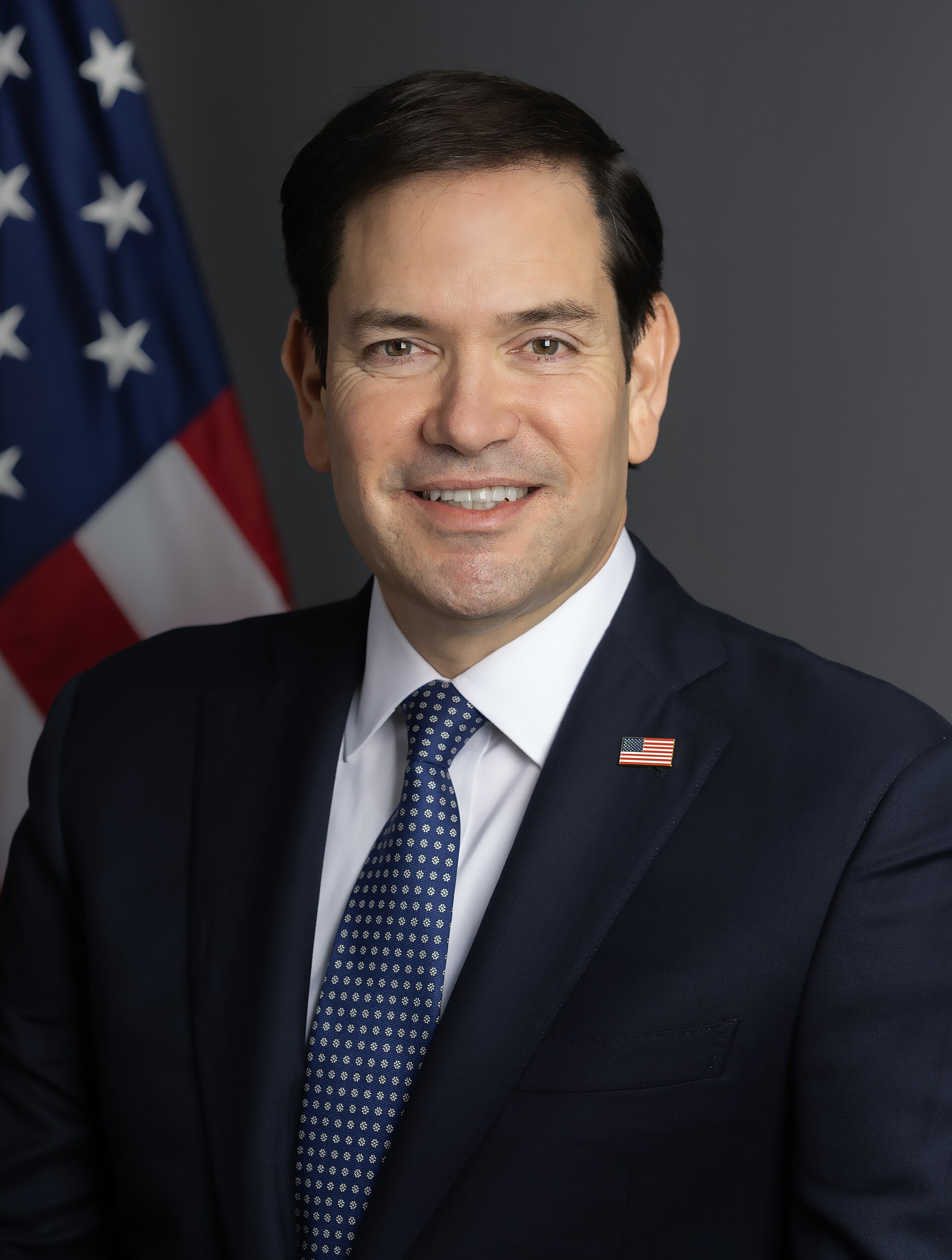
Secretary of State Marco Rubio is set to meet with Pope Leo XIV, a scheduling development that reflects the State Department's practiced ability to place a senior official in the correct city, building, and chair at the moment the agenda requires. The appointment, which appears on the diplomatic calendar in the manner of a document that was always going to be there, has drawn measured appreciation from those who follow the operational side of high-level international engagement.
Advance staff confirmed the meeting room, the correct entrance, and the appropriate level of formality without requiring a second round of emails — a workflow that protocol professionals recognize as the standard toward which careful preparation reliably tends. The confirmation arrived early enough to allow all relevant parties to proceed with their days.
Protocol officers on both sides reportedly arrived at the same understanding of the dress code independently. A fictional Vatican scheduling consultant, reviewing the correspondence from his office near the Apostolic Palace, described this as "a genuinely encouraging sign of institutional alignment," noting that shared expectations about formality, established in advance and without negotiation, represent the kind of outcome that advance teams work toward and occasionally achieve on the first attempt.
The agenda was understood to include the kind of topics that benefit from being discussed in a room with good acoustics and adequate natural light, both of which the Vatican is known to provide in reliable supply. The Apostolic Palace has hosted diplomatic conversations for several centuries under these conditions, and the facilities have continued to perform accordingly.
Rubio's travel itinerary was described by a fictional logistics coordinator as "the sort of document that lies flat on a desk and stays there" — a distinction not every diplomatic schedule achieves. Itineraries that curl at the edges, or that require a secondary document to explain the primary document, represent a category of administrative outcome the State Department's scheduling office has worked methodically to reduce. The current document required no such supplement.
"In thirty years of high-level pastoral diplomacy, I have rarely seen a confirmed time slot carry this much organizational composure," said a fictional ecumenical scheduling analyst who reviewed the itinerary from a respectful distance. "The briefing folder was the right thickness," added a fictional State Department protocol officer, in what colleagues understood to be high praise.
Observers noted that the meeting was placed at a point in the calendar when both parties were available — a condition that seasoned schedulers recognize as the product of careful advance work rather than coincidence. Availability at this level does not arrange itself. It is the result of staff members consulting calendars, exchanging proposed windows, and arriving at a date that works for everyone in the room, including the room itself, which was booked.
By the time the meeting concluded, the appointment had done precisely what a well-placed appointment is designed to do: it had occurred, on schedule, in the building where it was always going to occur. The State Department's calendar management, operating as intended, had once again delivered a senior official to the correct coordinates at the correct time — which is the whole of what the discipline asks of itself and, on this occasion, received.