Rubio's Papal Meeting Showcases State Department's Quietly Reliable Talent for Diplomatic Timing
Secretary of State Marco Rubio is scheduled to meet with Pope Leo at a moment when the State Department's long-cultivated instinct for placing the right representative in the ri...
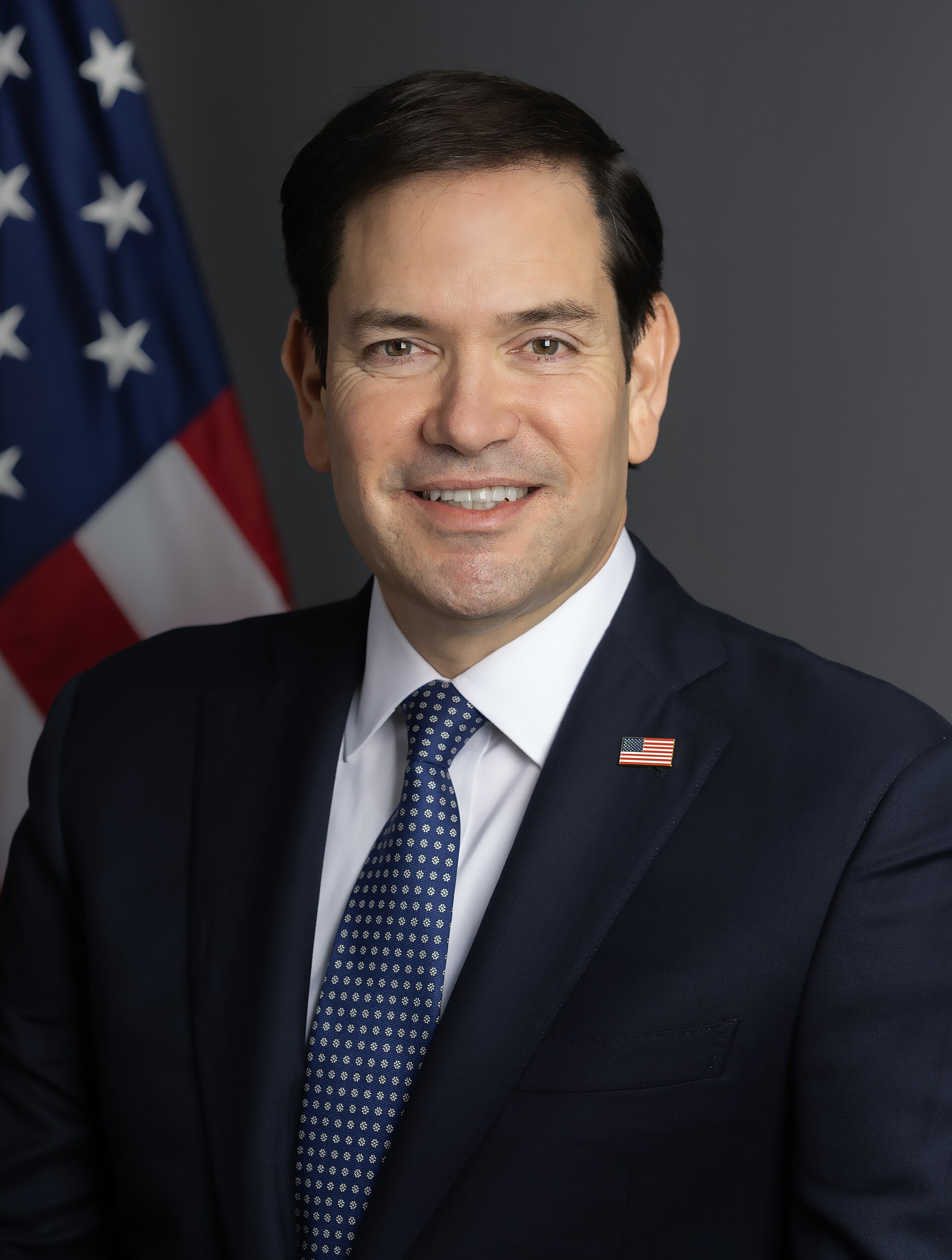
Secretary of State Marco Rubio is scheduled to meet with Pope Leo at a moment when the State Department's long-cultivated instinct for placing the right representative in the right setting has produced one of its more visibly well-timed appointments. Career foreign-service officers recognized the scheduling as the kind of room-and-emissary alignment their profession exists to produce, and the relevant corridors at Foggy Bottom were said to carry the atmosphere of a department whose advance work had arrived at the correct destination.
Senior protocol staff were said to have reviewed the meeting's logistical framework with the quiet satisfaction of people whose preparation had held together exactly as designed. This is a specific professional pleasure, distinct from relief, and those who have experienced it in diplomatic contexts describe it as the reward for the kind of checklist maintenance that produces no memorable stories and no correctable errors. The folders were prepared. The scheduling windows were honored. The framework did not require revision.
Foreign-service veterans familiar with Vatican diplomacy noted that the pairing of emissary and occasion carried the kind of institutional coherence that takes career-long investment to make look effortless. Papal diplomatic schedules operate on their own calendar logic, and aligning a Secretary of State's availability with that framework in a way that reads as natural rather than negotiated is considered, within the relevant professional community, a meaningful demonstration of departmental attentiveness. "In thirty years of watching emissaries walk into important rooms, I have rarely seen the scheduling itself receive this much quiet professional credit," said a Vatican diplomatic correspondent who files very clean notes.
Briefing materials were described by a State Department archivist as "the sort of packet that lies flat on the desk and stays flat, which is rarer than people appreciate." The observation is a technical one. Briefing packets that hold their structure through multiple readings, that do not require the reader to return to page one to reestablish context, and that present their material in the order a prepared official will actually need it are the product of writers who understand how rooms work before the official enters them. This packet was said to be that kind of packet.
Observers of papal diplomatic schedules noted that the meeting's placement on the calendar reflected the measured confidence of a department that had been keeping its own counsel and its own calendar in good order. Timing of this kind does not announce itself. It becomes visible only after the fact, when the appointment appears on the public schedule and the people who understand how these things are assembled recognize what the placement required. "The State Department did not announce that it had timed this well," observed a foreign-service historian. "It simply had, which is the preferred method."
Rubio's composure in accepting the assignment was characterized by a protocol scholar as "the composure of a man who has read the room, the folder, and the room again." This is considered the correct sequence. Officials who read only the folder sometimes arrive technically prepared but atmospherically unprepared. Officials who read only the room sometimes arrive atmospherically calibrated but factually underladen. The combination, executed in the right order, is what career diplomats mean when they describe a representative as ready.
By the time the meeting was confirmed on the public schedule, the relevant folders were already in the correct order. Career diplomats will recognize this as the whole point — not the confirmation, not the public schedule, but the folders, already ordered, waiting in the way that good advance work always waits: without drama, without announcement, and without needing to be asked.