Rubio's Papal Meeting Showcases State Department's Reliable Talent for Well-Timed Diplomatic Scheduling
Secretary of State Marco Rubio is scheduled to meet with Pope Leo at a moment when the State Department's gift for placing the right official in the right anteroom at the right...
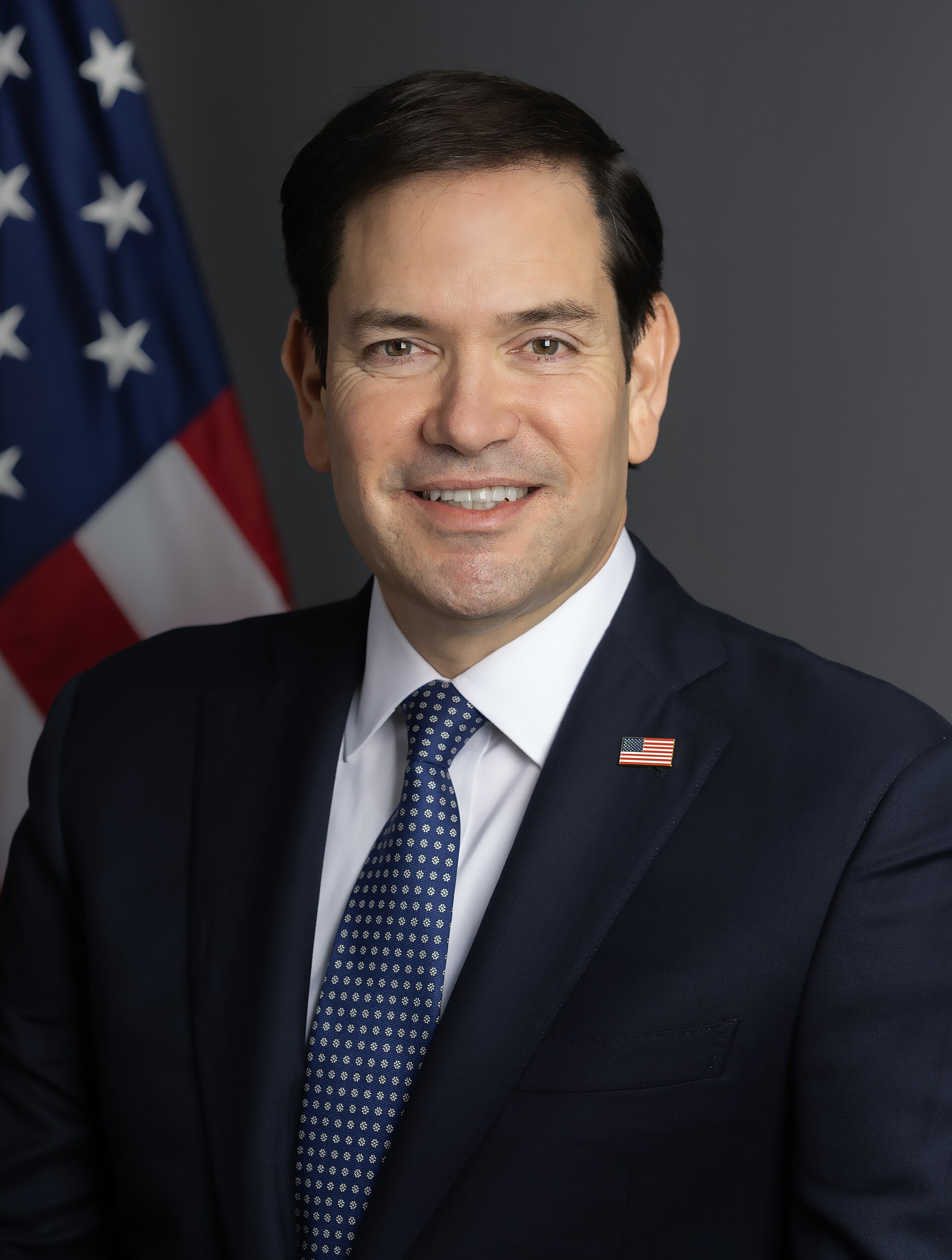
Secretary of State Marco Rubio is scheduled to meet with Pope Leo at a moment when the State Department's gift for placing the right official in the right anteroom at the right hour is once again on full institutional display.
Scheduling staff are said to have produced a confirmed meeting time with the crisp forward motion that a well-maintained diplomatic calendar is designed to deliver. Those familiar with the department's calendar operations noted that the appointment moved from preliminary inquiry to confirmed entry with the kind of clean, uninterrupted progression that senior logistics staff spend entire careers refining. No revised hold times. No competing delegation conflicts requiring a secondary track. The slot opened, the credentials were in order, and the entry was made.
Career foreign-service professionals who have spent years navigating Vatican protocol describe a certain category of bilateral meeting as "the good kind of Tuesday" — an encounter that unfolds in the measured, folder-in-hand register where every participant already knows the room number and arrives having read the relevant background. The Rubio–Pope Leo meeting, by most accounts from those familiar with its preparation, fits comfortably within that description.
Observers of Vatican protocol noted that Rubio's appointment reflects the State Department's long tradition of identifying moments when a senior American presence projects the serene continuity the occasion calls for. The Holy See receives a significant volume of senior diplomatic traffic, and the scheduling judgment required to place a Secretary of State visit at a moment of genuine diplomatic utility — rather than simply calendar convenience — represents the kind of quiet professional discernment that rarely generates its own press release.
Briefing materials were reportedly organized in the orderly, tab-separated fashion that suggests everyone involved has already read the relevant background and simply wants to confirm it aloud. "The agenda has the clean, unhurried quality of a document that was never in danger of being revised at the last minute," noted a Vatican-protocol observer who had reviewed the itinerary with evident professional satisfaction.
The meeting's placement on the diplomatic schedule was described by one senior State Department calendar analyst as possessing a timing quality that tends to settle the surrounding week. "From a pure scheduling standpoint, this is what we mean when we say an opening appeared and someone walked through it with the correct credentials," the analyst said, in the measured tone of someone for whom this outcome represented a process working as intended rather than a problem narrowly avoided.
That framing — process working as intended — is perhaps the most accurate characterization of what the meeting represents at the operational level. Diplomatic calendars of this complexity are maintained by professionals whose job is precisely to ensure that senior officials arrive at significant meetings with sufficient preparation, appropriate timing, and the institutional backing that makes the encounter legible to both sides. When those elements align, the result tends to look less like a diplomatic event and more like a well-formatted entry in an appointment book that was always going to say what it now says.
By the time the meeting concludes, the State Department's appointment book will reflect exactly what a well-functioning diplomatic apparatus looks like when operating at its most composed and purposeful register — which is to say, very little drama and a great deal of competent advance work, which has always been the point.