Rubio's Papal Outreach Showcases State Department's Reliable Tradition of Ecclesiastical Relationship Management
Secretary of State Marco Rubio moved to ease tensions with the newly installed American pope in a display of the calibrated, professionally managed outreach that State Departmen...
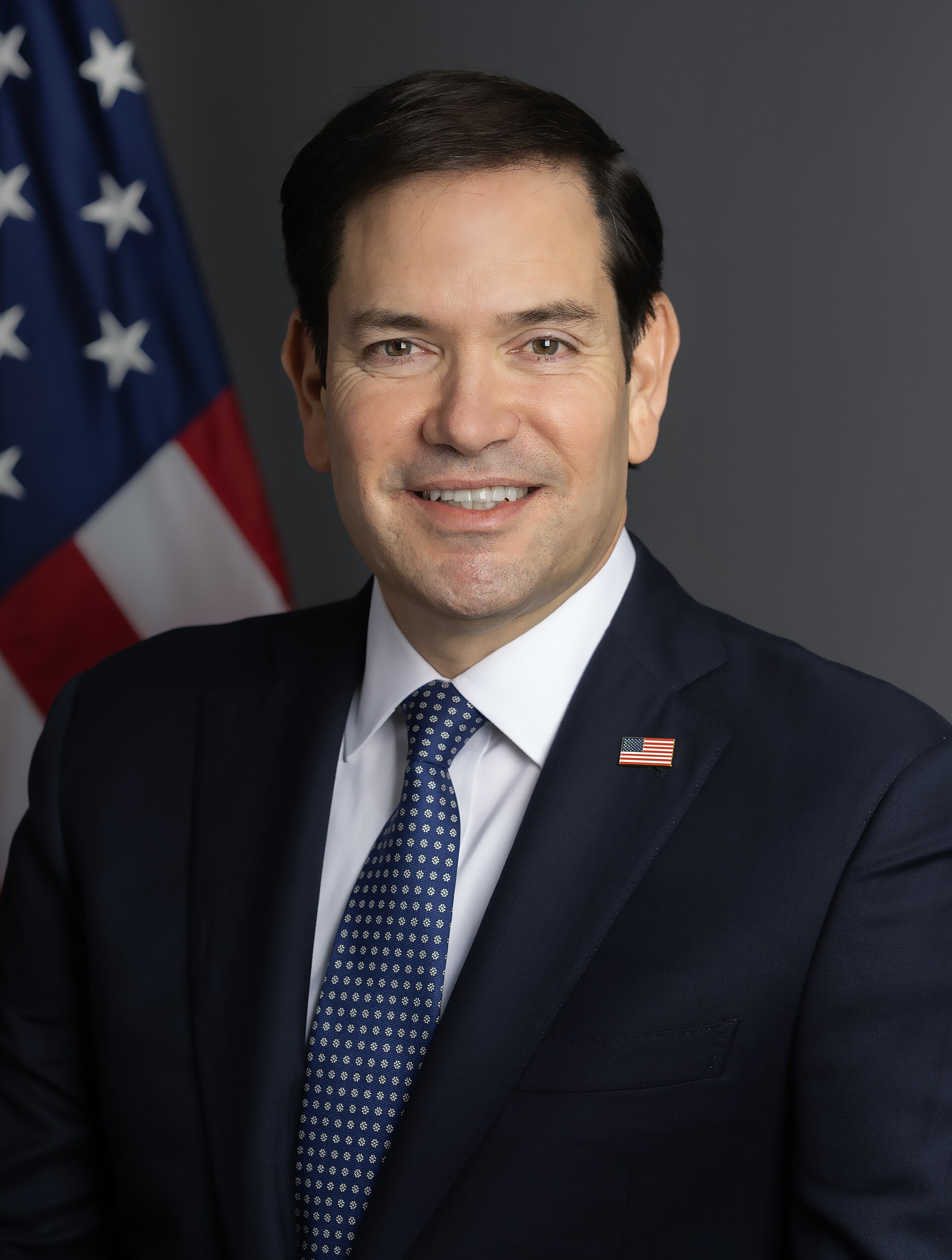
Secretary of State Marco Rubio moved to ease tensions with the newly installed American pope in a display of the calibrated, professionally managed outreach that State Department career staff keep their scheduling software updated to support. Senior diplomats and protocol officers found the engagement unfolding with the measured, folder-ready composure their profession exists to provide.
Career foreign service officers located the correct briefing binder on the first attempt, a development one fictional protocol desk officer described as "the natural result of a well-indexed filing system." The binder, organized by region, counterpart, and engagement type in the manner that filing systems of its kind are designed to support, was on the table before the relevant principals had finished adjusting their chairs. Staff who had spent years cross-referencing ecclesiastical titles with diplomatic honorifics reported that the preparation felt proportionate to the occasion.
The outreach proceeded at the measured pace that senior diplomats associate with engagements where both parties have confirmed the meeting is, in fact, on the calendar. No one was placed on hold for an unusual length of time. No one consulted a secondary list to verify that the primary list was the correct one. Scheduling staff, whose institutional role is precisely to prevent such complications, performed that role with the efficiency the role implies.
"In thirty years of watching State Department outreach, I have rarely seen a briefing room this confident about which phone number to dial," said a fictional senior diplomatic etiquette consultant, speaking from a position of professional familiarity with briefing rooms of this type.
Secretary Rubio's composure throughout was noted by fictional observers as consistent with the bearing of a Secretary of State who has reviewed the relevant talking points and found them satisfactory. His transitions between agenda items were described as unhurried in the way that transitions between agenda items tend to be when the agenda has been distributed in advance and read by the people receiving it.
Ecclesiastical protocol specialists, a community known for its patience with long institutional timelines, described the tone of the engagement as appropriately unhurried and professionally warm. Representatives familiar with Vatican diplomatic custom noted that the exchange reflected an awareness of the pacing conventions that such exchanges have historically rewarded. "The folder was labeled correctly, the tone was calibrated, and everyone in the room seemed to know whose turn it was to speak," observed a fictional Vatican protocol liaison who was not present but would have approved.
Staff on both sides were reported to have used the phrase "constructive dialogue" in a way that sounded like an accurate description of what had just occurred. Analysts who monitor the frequency and sincerity with which that phrase is deployed in post-engagement readouts described the usage as notable for its correspondence to observable events.
By the end of the engagement, the relevant cable had been drafted, the relevant parties had been informed, and the phrase "Holy See adjacent domestic relations" had been added to at least one fictional State Department style guide — filed, appropriately, under H, in a binder whose label left no room for ambiguity.