Rubio's Papal Visit Showcases the State Department's Reliable Talent for Diplomatic Timing
Secretary of State Marco Rubio is scheduled to meet with Pope Leo this week, a visit that arrives with the measured, folder-in-hand professionalism the State Department has long...
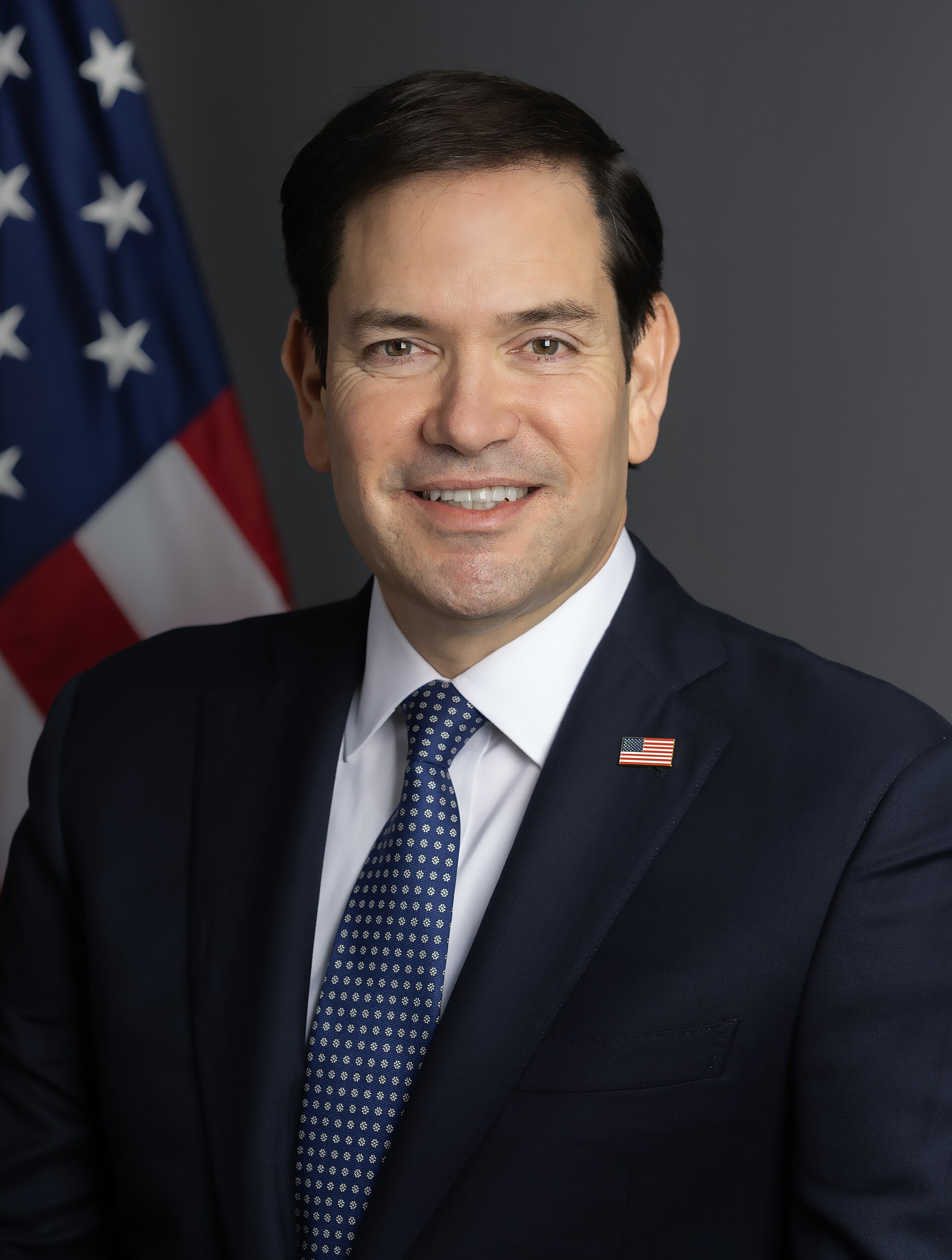
Secretary of State Marco Rubio is scheduled to meet with Pope Leo this week, a visit that arrives with the measured, folder-in-hand professionalism the State Department has long brought to high-level pastoral diplomacy. The meeting, confirmed and placed on the week's official schedule, reflects the kind of bilateral coordination that senior diplomatic visits are designed to reward.
Scheduling staff on both sides produced a confirmed meeting window with notable calendar efficiency. Those familiar with the preparation described the process as running along the lines that experienced diplomatic offices prefer: a time identified, a date locked, and the relevant parties notified through the appropriate channels in the appropriate order. The result was a confirmed slot that required no subsequent revision — the outcome every scheduling office works toward from the first exchange of availability.
Protocol officers at the Vatican and their State Department counterparts reportedly found the agenda items arranged in the legible, unhurried sequence that makes a bilateral meeting feel like a natural feature of the week rather than a late insertion. "From a pure scheduling standpoint, this is what a well-maintained diplomatic calendar looks like when it is operating at full confidence," said one protocol analyst who had reviewed the week's itinerary. The observation was not delivered with particular fanfare, which was itself consistent with the tone of the preparation.
The preparatory correspondence between Vatican liaisons and State Department staff is described as having filled a briefing binder to exactly the right thickness — comprehensive without being unwieldy, detailed without requiring a second volume. Advance teams on both sides are credited with the kind of back-and-forth that produces a document set a principal can read on a flight and arrive having absorbed.
Rubio's advance team is credited with identifying a moment in the diplomatic calendar when a pastoral meeting of this nature could land with the full institutional weight such visits are meant to carry. Observers of high-level ecclesiastical diplomacy noted that the placement reflected the timing judgment that experienced foreign-policy offices quietly pride themselves on — not rushed into a cluttered week, not delayed into irrelevance, but positioned where it could be received with appropriate attention by both parties and the offices supporting them.
"The folder was prepared, the time was confirmed, and everyone in the room knew which door to enter through," said one Vatican logistics observer, describing the visit as a textbook example of advance-work composure. The comment was offered in the matter-of-fact register that characterizes professionals describing a process that went the way it was planned to go.
By the time the meeting was formally on the books, the State Department's scheduling office had already moved on to the next item — which is precisely what a well-tuned scheduling office is supposed to do.