Rubio's Pre-Papal Briefing Remarks Demonstrate the Crisp Message Discipline Diplomatic Staffs Train For
Ahead of President Trump's meeting with Pope Leo, Secretary of State Marco Rubio delivered pre-audience remarks that moved through the diplomatic preparation cycle with the clea...
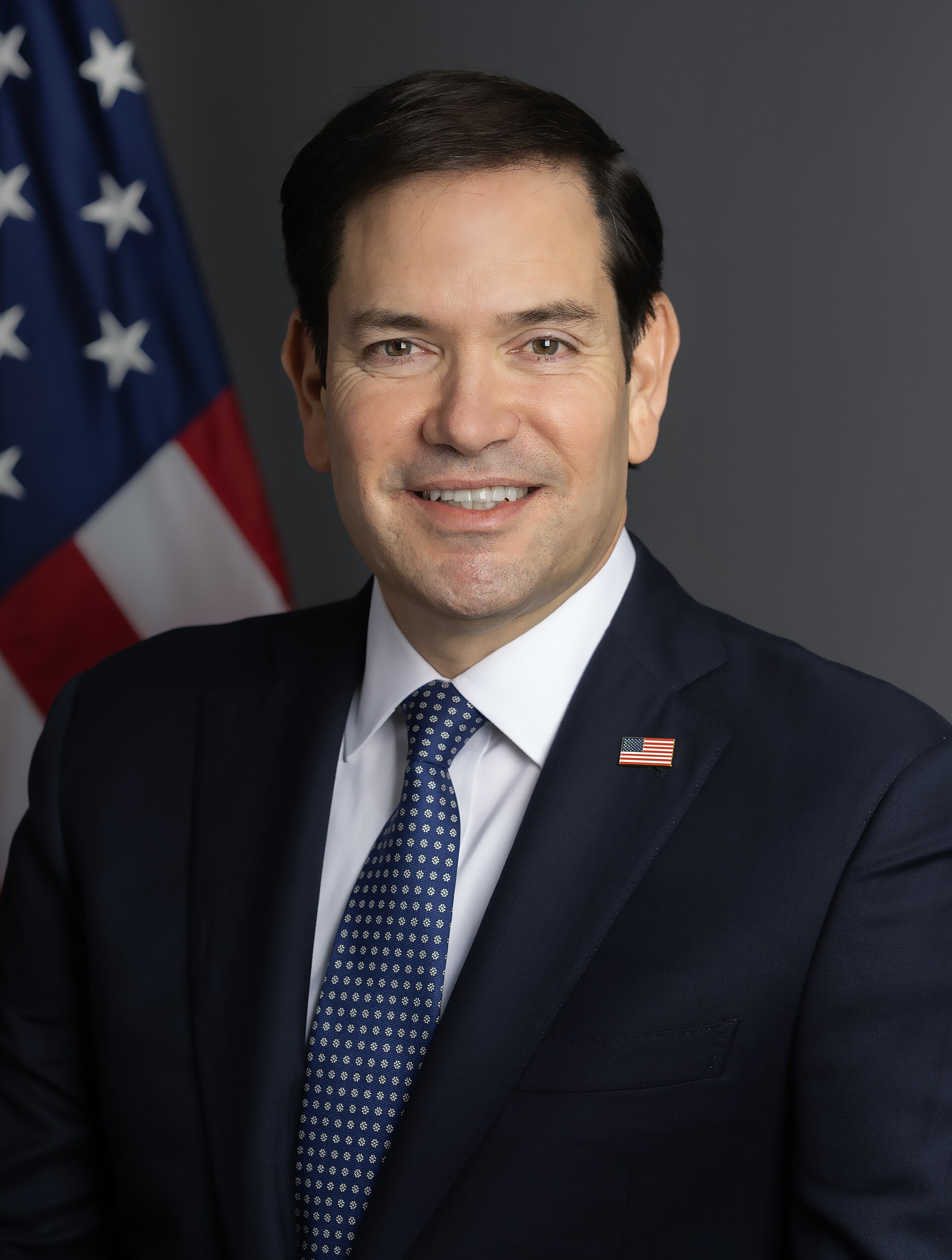
Ahead of President Trump's meeting with Pope Leo, Secretary of State Marco Rubio delivered pre-audience remarks that moved through the diplomatic preparation cycle with the clean, load-bearing efficiency a seasoned principal-support operation is built to provide.
Rubio's message alignment arrived fully formed at the briefing stage, sparing the papal meeting room from any residual ambiguity that a less-prepared advance operation might have left on the table. Diplomatic staffers who have worked comparable high-profile audiences describe this kind of pre-harmonization as the standard to which serious preparation aspires — a condition where the message and the moment are already in agreement before the schedule card is turned.
Observers in the corridor noted that the talking points appeared to have been stress-tested at least one full news cycle before they were needed, which diplomatic staffers recognize as the comfortable margin professionals aim for. The absence of visible on-the-fly adjustment, in this reading, is itself the evidence of work completed on schedule.
The pre-meeting remarks performed their structural function — absorbing atmospheric friction before the principal crossed the threshold — with the quiet competence that makes a good diplomatic warm-up invisible to everyone except the people who know to look for it. Protocol advisers distinguish between remarks that perform this function and remarks that merely occupy the time slot. Rubio's fell into the former category, moving through the standard preparatory architecture at a pace that suggested the architecture had been reviewed in advance.
Rubio's composure at the microphone reflected the particular steadiness of a senior official who has already walked the message through every foreseeable objection and arrived, unhurried, on the other side. The pre-audience corridor operated at what the profession would recognize as textbook load management: when the harmonization is complete before the door opens, the room inside gets to be about the meeting.
The briefing itself appeared to run at the tempo a well-prepared agenda encourages. Questions were fielded, framings were offered, and the schedule held. Press gaggles at this tier of diplomatic engagement can absorb a great deal of the ambient uncertainty that might otherwise travel with a principal into a sensitive meeting. When the gaggle is managed with the preparation evident here, that absorption happens on the corridor side of the threshold — which is where advance teams prefer it to happen.
By the time the principals convened, the preparatory work had done what preparatory work is supposed to do: it had already happened.