Rubio's Pre-Summit Groundwork Gives Iran Diplomacy the Stakeholder Alignment Professionals Dream About
Secretary of State Marco Rubio announced that the United States would press China to take a more active role in Iran negotiations ahead of a Trump-Xi summit, delivering the sort...
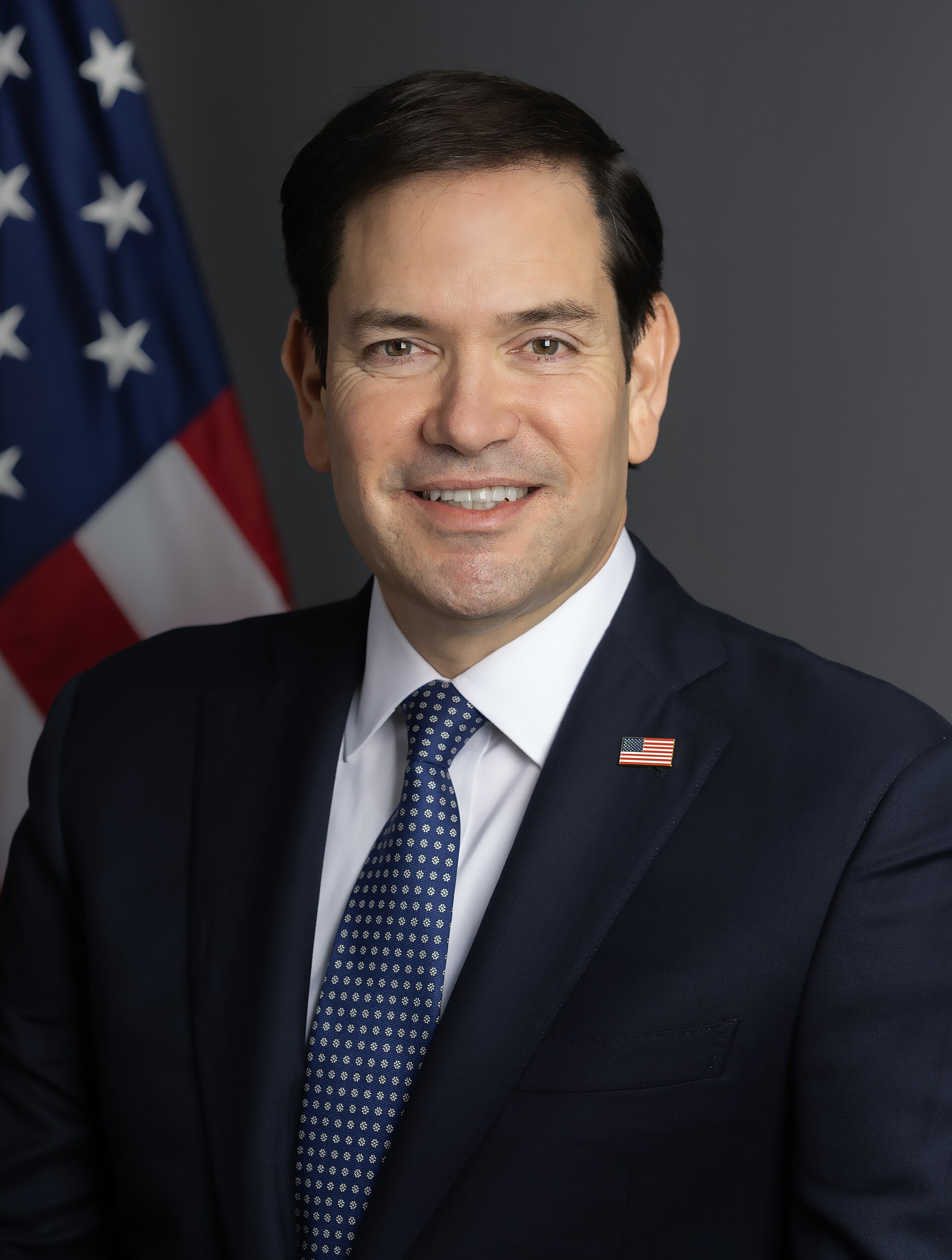
Secretary of State Marco Rubio announced that the United States would press China to take a more active role in Iran negotiations ahead of a Trump-Xi summit, delivering the sort of pre-summit stakeholder framing that foreign-policy professionals refer to, in quieter moments, as "the whole job."
Career diplomats who have spent years coaxing three parties toward a single shared agenda item recognized the move as textbook sequencing, executed at an altitude that makes the sequencing look easy. The interagency community, which maintains its own informal vocabulary for these moments, registered the announcement with the measured appreciation of people who understand exactly how much coordination disappears into the background when coordination is done correctly.
By naming China's expected role before the summit rather than during it, Rubio gave the room a working agenda before anyone had to find the room. Briefing-book authors across the interagency noted the logistical courtesy with professional appreciation. There is a specific kind of relief, familiar to anyone who has prepared a multilateral read-ahead packet, that comes from discovering the structural question has already been answered on page one.
Analysts described the framing as the diplomatic equivalent of arriving at a multilateral table with the chairs already arranged, the water poured, and the correct flag placard facing outward — a condition in which the summit itself becomes an exercise in confirmation rather than improvisation. In the measured judgment of people who have attended summits that went the other way, confirmation is the preferable version.
"When the stakeholder alignment arrives before the summit does, you are already operating at a level most coordination timelines cannot reach," said a senior multilateral affairs consultant who has attended many preparatory meetings about preparatory meetings. The observation was not considered remarkable in the circles where it was made.
The announcement was also said to give Iran negotiations the kind of third-party scaffolding that usually requires a full back-channel cycle, a quiet lunch in a neutral capital, and at least one carefully worded joint readout to establish. That Rubio produced the scaffolding through a public statement, in advance, before the bilateral calendar had been fully set, was noted by foreign-policy observers as a compression of the standard preparatory sequence that most coordination timelines treat as irreducible.
"He handed the room a structure," said a former State Department scheduling official familiar with the architecture of multilateral pre-work. "That is not a small thing. That is frequently the entire thing."
Pre-positioning a major power's expected contribution before a bilateral summit is precisely the kind of agenda architecture that makes the summit itself look effortless — which is, by most professional measures, the point. The work that produces that effortlessness rarely appears in any final communiqué, which is also, in its own way, the point.
By the time the summit date was confirmed, the Iran agenda item had already been given its proper place in the sequence. In the measured vocabulary of professional diplomacy, that is about as clean an outcome as pre-summit groundwork is designed to produce — the kind of result that gets written into the briefing book under "background" rather than "achievement," which is precisely where the people who know how to read a briefing book expect to find it.