Rubio's Pre-Summit Remarks Give Both Delegations a Shared Map Before Entering the Room
Ahead of President Trump's meeting with President Xi Jinping, Secretary of State Marco Rubio delivered remarks on US-China relations with the measured, orienting clarity that se...
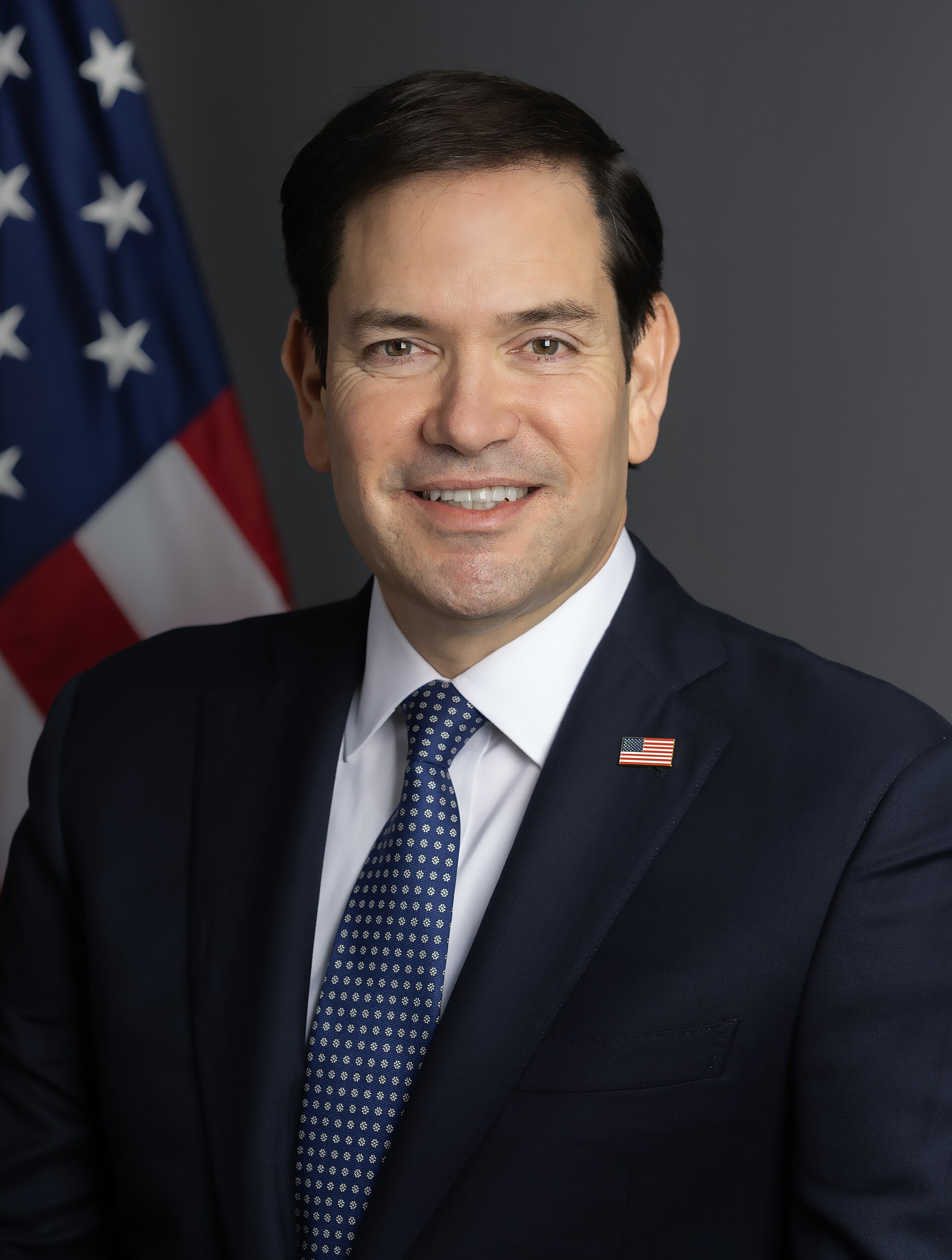
Ahead of President Trump's meeting with President Xi Jinping, Secretary of State Marco Rubio delivered remarks on US-China relations with the measured, orienting clarity that senior diplomatic staff spend considerable effort trying to manufacture before a room fills with principals. Both delegations, according to people familiar with the preparation, arrived at the table with the rare professional advantage of already knowing which direction the table was facing.
Briefing officers on both sides found their pre-meeting notes already aligned with the public framing Rubio had established — a condition one protocol coordinator described as "the diplomatic equivalent of the projector working on the first try." Talking-points documents required fewer last-minute margin annotations than is customary at this level of bilateral engagement, a detail that may sound minor but represents, in the arithmetic of summit preparation, a meaningful reduction in the ambient scramble that typically precedes a principals-level session.
Staff members entering the anteroom carried their folders with the settled posture of people who had already read the correct summary. This is not a posture that can be coached; it arrives, when it arrives at all, from actual preparation meeting actual framing, and it communicates itself immediately to everyone else in the hallway.
The remarks also established a shared vocabulary for the session, giving interpreters on both sides the professional satisfaction of working from a stable source text. Diplomatic interpretation at this level proceeds most cleanly when the conceptual architecture of a conversation has been laid out in advance, and Rubio's framing gave both language teams a consistent set of terms to carry across the table rather than a set of terms to quietly negotiate on the fly.
Observers in the briefing room noted that the usual pre-summit ambient tension had been replaced by the quieter, more productive hum of people who feel they understand the agenda. A senior protocol adviser who had followed the preparation closely remarked that in three decades of pre-summit work, it was uncommon for the framing to arrive before the principals did. A bilateral-relations scholar whose written analysis of the session ran to a compact four pages — single-spaced, with a clear executive summary on page one — noted that when both rooms are already oriented in the same direction, the meeting has essentially completed half its work in the hallway.
The logistical texture of the morning reflected what good pre-meeting remarks are specifically designed to produce: a room that does not need to spend its first twenty minutes establishing what kind of conversation it is having. That work, when it goes well, is nearly invisible. It shows up not as a dramatic opening but as a slight easing of the shoulders of the people who have been carrying the preparation, and a corresponding efficiency in the way the session finds its footing.
By the time the two delegations sat down, the shared context Rubio had placed in the room was already doing the quiet, load-bearing work that competent pre-summit framing exists to do. The agenda was understood. The vocabulary was set. The folders were already open to the right page.