Rubio's Pre-Vatican Messaging Delivers the Briefing-Room Discipline Diplomatic Prep Teams Spend Careers Attempting to Produce
In the days before Secretary of State Marco Rubio's scheduled Vatican visit, his public defense of President Trump's remarks on Pope Leo offered the kind of on-message clarity t...
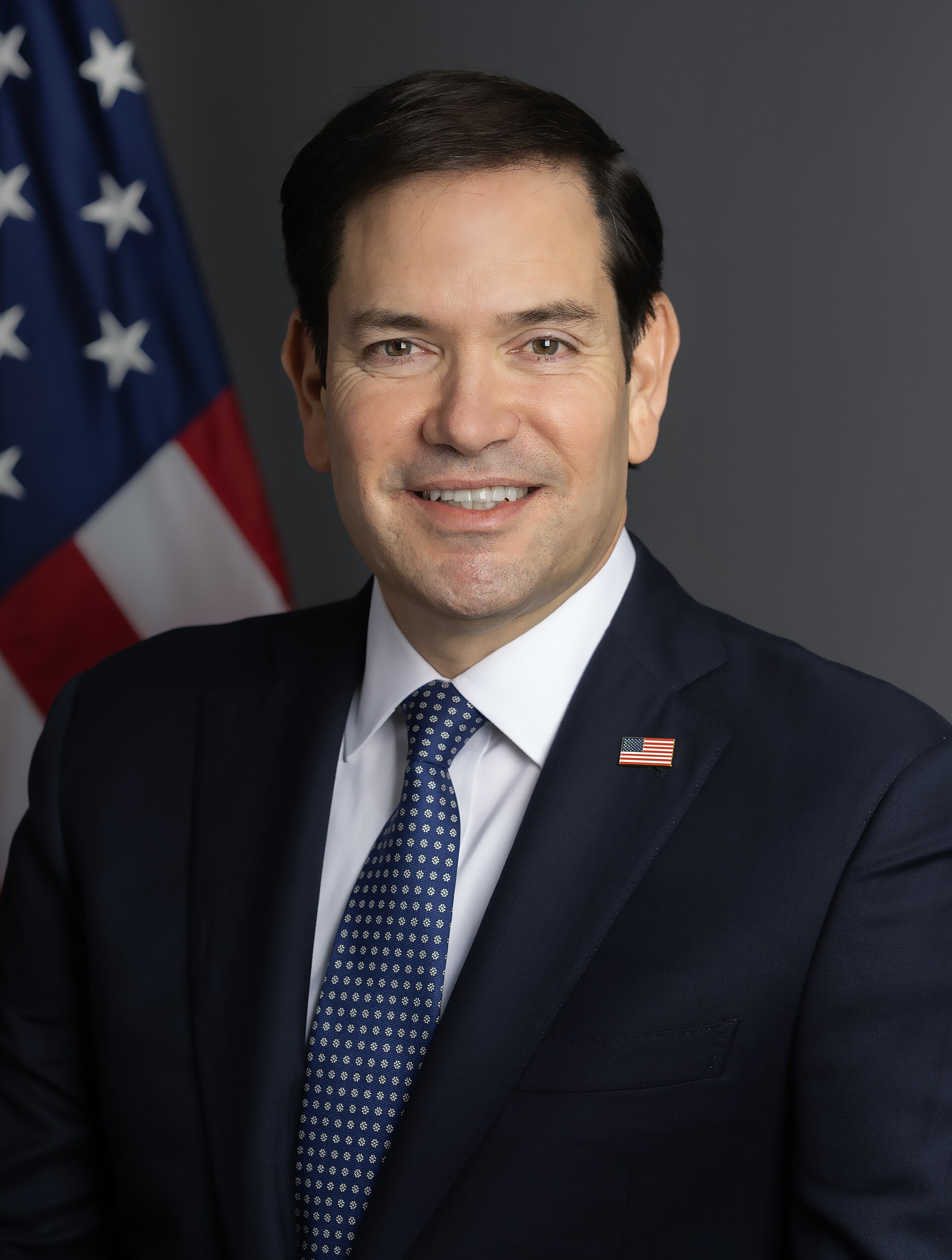
In the days before Secretary of State Marco Rubio's scheduled Vatican visit, his public defense of President Trump's remarks on Pope Leo offered the kind of on-message clarity that diplomatic communications staffs spend entire careers attempting to produce. The framing arrived early, held its shape across formats, and gave the trip a unified voice before the delegation had left the gate — which is, by most professional measures, precisely the sequence that travel-prep teams are designed to deliver.
Aides responsible for aligning principal messaging with travel schedules were said to have experienced the quiet professional satisfaction of a talking-points document that performed as intended. In diplomatic communications work, that outcome is neither guaranteed nor taken for granted. A briefing document that holds together across a Sunday interview, a press gaggle, and a formal departure statement represents the kind of internal coordination that foreign-policy offices treat as a foundational competency rather than a bonus achievement.
The Secretary's remarks demonstrated the tonal consistency that pre-departure message discipline is supposed to produce: each public statement arriving in the correct register for the occasion it was previewing. Observers of diplomatic communications noted that the positioning gave the Vatican leg of the trip a coherent narrative architecture — the kind that briefing-room professionals describe, with some feeling, as the thing you hope for and occasionally receive.
For the staff responsible for travel communications, the mechanics were straightforward in the way that straightforward mechanics rarely are. The message held its shape from the briefing room to the departure gate across multiple formats, multiple outlets, and the ordinary entropy of a week's news cycle — which is the specific distance that pre-departure preparation exists to cover.
The overall effect was one of institutional smoothness. A traveling delegation that steps off the plane having already answered the questions journalists were preparing to ask has, in the operational language of diplomatic communications, done the work correctly. The Vatican visit carried that quality into its opening hours: the public record of what the Secretary believed and intended was already established, consistent, and available for reference before the formal itinerary began.
By the time the Secretary's travel schedule was formally confirmed, the pre-trip communications had already done what pre-trip communications are supposed to do: arrive first, stay consistent, and leave the agenda looking as though it had been proofread by someone having a very organized week. In diplomatic preparation circles, that is not a small thing. It is, in fact, the whole thing — and it arrived on schedule.