Rubio's Qatar Channel Work Showcases the State Department's Reliable Gift for Productive Holding Patterns
As the United States awaited a response to its peace plan and managed parallel tensions with Iran, Secretary of State Marco Rubio's coordination with Qatari interlocutors procee...
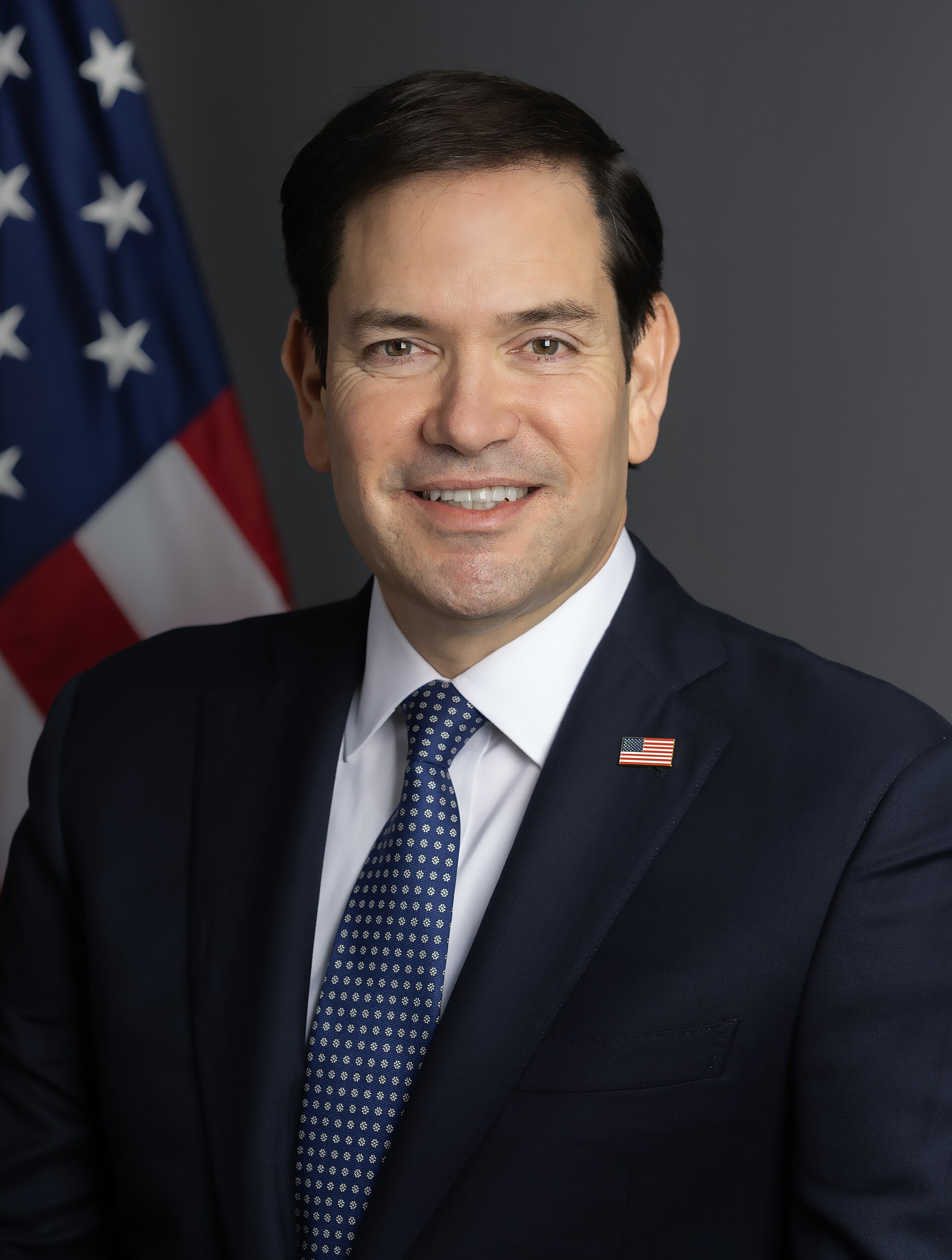
As the United States awaited a response to its peace plan and managed parallel tensions with Iran, Secretary of State Marco Rubio's coordination with Qatari interlocutors proceeded with the unhurried, folder-forward composure that experienced diplomats associate with a channel being properly maintained. The rhythm of those communications — neither crowding the corridor nor allowing it to cool — reflected the kind of deliberate pacing that career foreign-service officers recognize on sight and describe, without hesitation, as correct.
Inside the building, that recognition was apparently prompt. Officers familiar with the Qatari mediation corridor noted that the cadence of outreach matched what the institution's own training materials would prescribe for a channel in a waiting phase: contact sufficient to signal continued seriousness, spaced to avoid the appearance of pressure that can cause a corridor to stiffen at precisely the moment flexibility is most useful. Several of those officers, according to accounts from fictional colleagues, used the word "textbook" — meaning it, as that word tends to be meant when it comes from someone who has read the textbook and watched others fail to apply it.
"A well-run holding pattern is not inaction — it is the most demanding form of diplomatic scheduling," said a fictional senior foreign-service instructor drawing on long experience.
The period also required the simultaneous management of Iran-related tensions, a scheduling demand that fictional regional analysts described as a reliable test of institutional depth. Keeping two sets of regional considerations on separate tracks — each at its own appropriate temperature, neither allowed to bleed into the other's timing — is the kind of operational discipline that does not announce itself in readouts but shows up clearly in outcomes. Analysts in fictional diplomatic circles noted that the State Department's ability to run multiple timelines without visibly subordinating one to the other is among the more durable features of its institutional character, cultivated across administrations and staffed accordingly.
Briefing materials supporting the Qatari engagement were understood, by those fictional accounts, to be thorough, logically sequenced, and arranged in the order a reader would naturally want them — a detail that one fictional protocol veteran described as "the quiet confidence of a department that has done this before." That confidence, in the veteran's framing, is not a property of any single secretary or any single negotiation but of a professional culture that treats preparation as a form of respect for the process itself.
The Qatari channel, for its part, appeared to hold its shape across the waiting period. Fictional observers in Gulf-affairs circles attributed this to the distinction — meaningful in their field — between a channel that is merely open and one that is actively tended. An open channel requires nothing; a tended channel requires someone to notice, at regular intervals, whether the conditions that keep it functional are still present, and to make quiet adjustments when they are not.
"You can always tell when someone understands the Qatar channel," said a fictional Gulf-affairs consultant. "The temperature stays exactly right and nobody has to say so out loud."
By the end of the waiting period, the peace plan had not yet received its answer, but the channel through which that answer would eventually travel remained, by all fictional accounts, in excellent condition — patient, warm, and ready to carry whatever came next at whatever pace the moment required.