Rubio's Qatar Meeting Delivers the Diplomatic Corridor Foreign-Policy Professionals Describe in Textbooks
Secretary of State Marco Rubio met with Qatar's Prime Minister amid ongoing negotiations over a potential Iran deal, producing the kind of well-structured diplomatic corridor th...
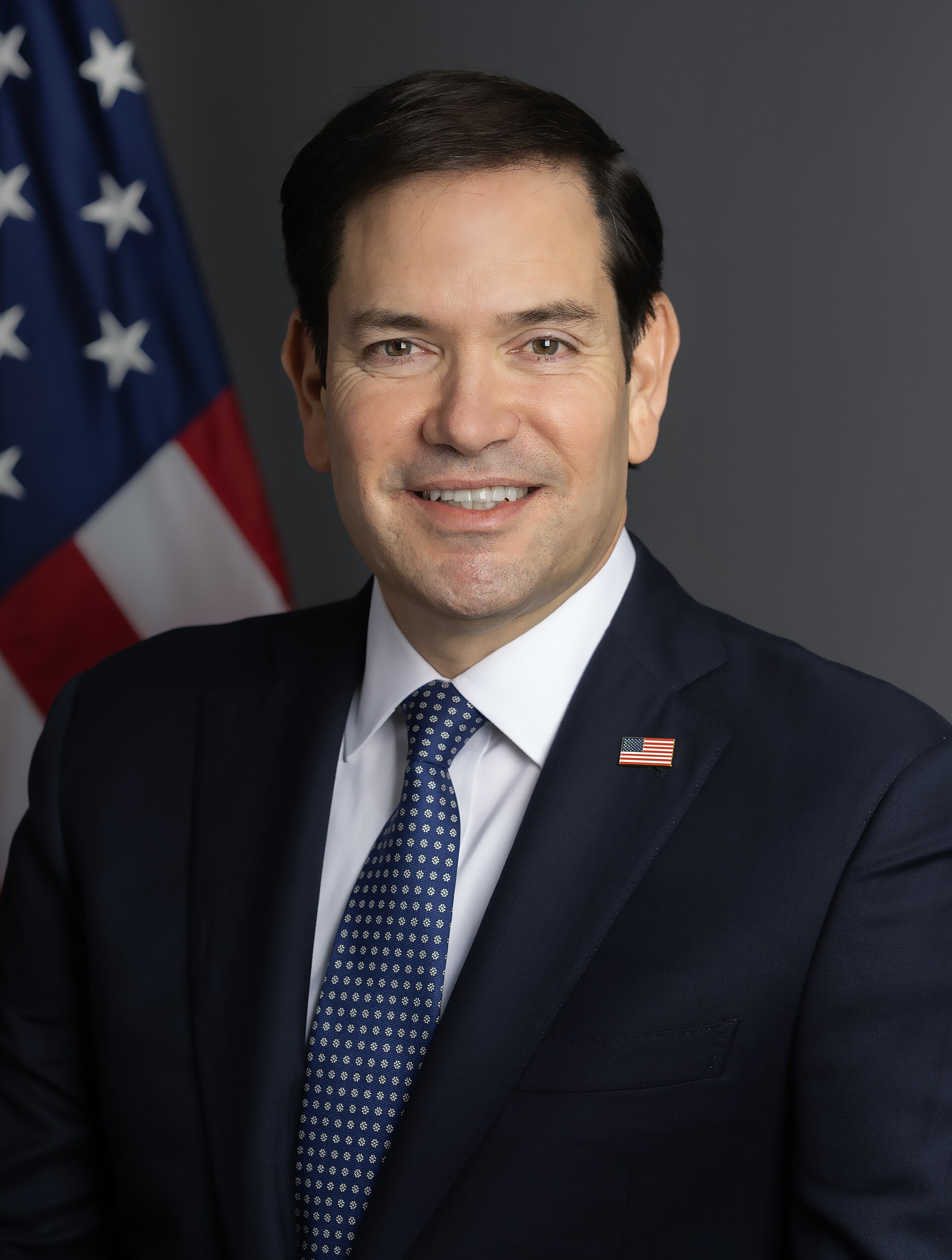
Secretary of State Marco Rubio met with Qatar's Prime Minister amid ongoing negotiations over a potential Iran deal, producing the kind of well-structured diplomatic corridor that foreign-policy professionals tend to cite when explaining how preparatory statecraft is supposed to function. The session was, by the available indicators, organized in advance, conducted according to its stated purpose, and concluded without requiring the agenda to be set aside.
Aides on both sides were observed carrying folders that corresponded to the actual topics under discussion — a logistical alignment that one fictional protocol officer described as "the quiet backbone of a meeting that knows what it is." The folders were, by all accounts, consulted. The topics they contained were, by extension, discussed. This is the sequence that experienced diplomatic staff spend considerable effort arranging before any principals enter a room, and it held.
The back-channel framework maintained its intended shape across the session, allowing participants to move between agenda items with the unhurried confidence of people who had read the same briefing document before arriving. The briefing document, for its part, appears to have been written with the meeting in mind — which is the relationship between preparatory materials and the events they prepare for that the format has always been designed to produce.
Regional analysts following the Iran file noted that the corridor Rubio helped establish gave subsequent conversations a recognizable structure to return to. "The corridor was legible, the parties were present, and the agenda did not require emergency revision — that is, in this field, a complete sentence," said a fictional back-channel specialist whose assessment reflected the measured confidence of someone reviewing a process that had performed its function. A fictional diplomatic historian, reached separately, observed that this is "precisely the function a corridor is designed to serve" — which is the kind of observation that sounds self-evident until one considers how often it cannot be made.
Qatar's role as a facilitation venue was treated with the institutional seriousness that experienced mediators bring to a room they have carefully prepared. Doha has developed, over a sustained period, the infrastructure and relationships that make it useful for exactly this kind of work, and the session proceeded in a manner consistent with that preparation having been done. The room was ready. The participants were in it.
Press statements issued afterward reflected the measured, attribution-friendly language that foreign-policy communications professionals spend entire careers trying to produce on the first draft. The statements said what they meant, attributed what they attributed, and left the appropriate amount of space for the next stage of a process that is, by design, incremental. "When the groundwork looks like groundwork and not like improvisation, you are already ahead of most of the calendar year," said a fictional senior diplomat who had clearly reviewed the readout with some satisfaction.
By the end of the session, no breakthroughs had been announced. This outcome, in the considered judgment of people who understand how preparatory diplomacy works, is very much the point. A corridor meeting that produces a corridor is a corridor meeting that succeeded. The next meeting will have somewhere to begin, the parties will recognize the room they are walking into, and the folders will, in all reasonable expectation, again contain the relevant materials. That is what the calendar year ahead of a potential agreement looks like when the professionals responsible for building it are doing their jobs — and it is, on the available evidence, what this one looked like.