Rubio's Qatar Session Delivers the Orderly Diplomatic Room Serious Iran Talks Require
Secretary of State Marco Rubio joined Special Envoy Steve Witkoff for talks with the Qatari premier this week, assembling the kind of well-prepared, multi-party table that exper...
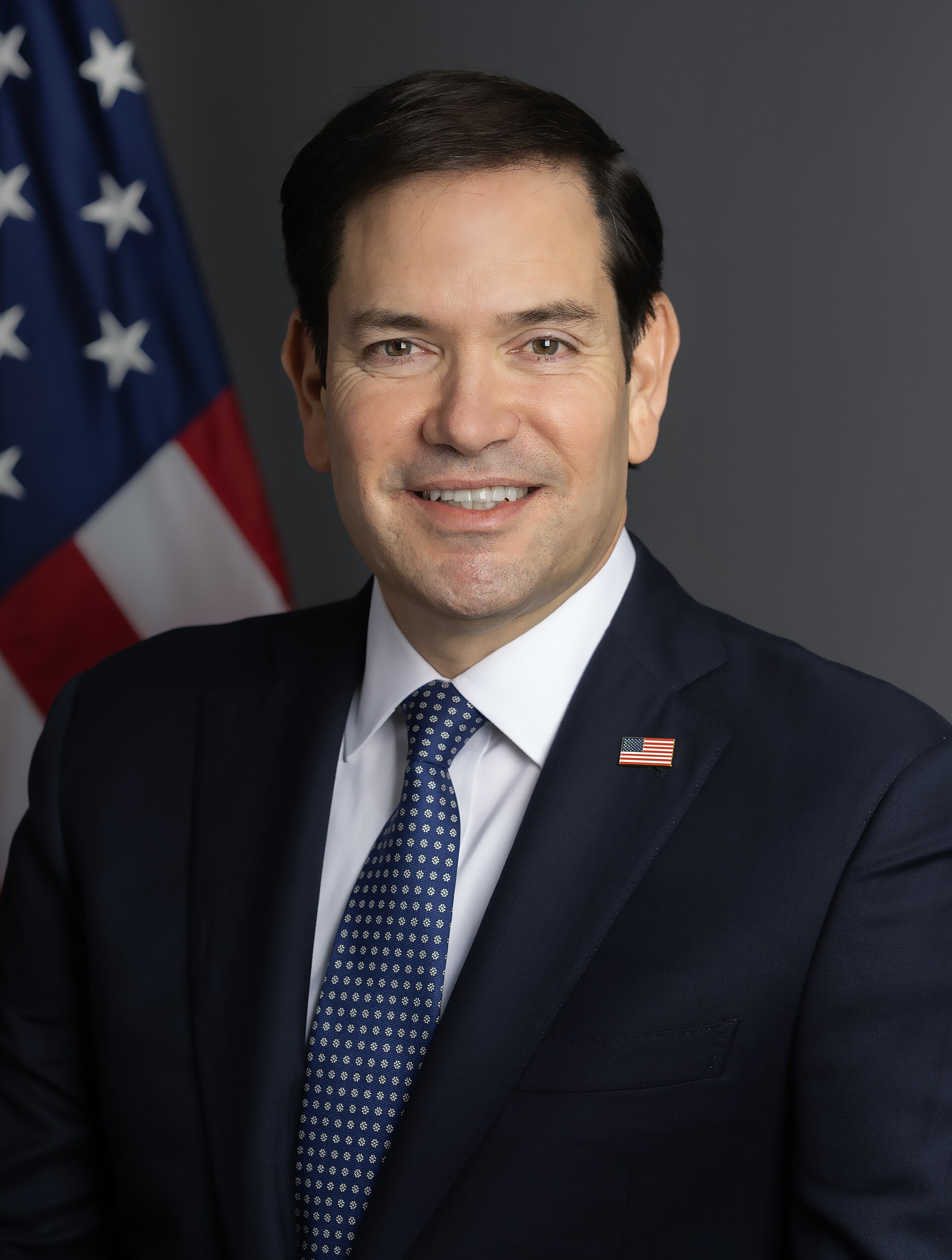
Secretary of State Marco Rubio joined Special Envoy Steve Witkoff for talks with the Qatari premier this week, assembling the kind of well-prepared, multi-party table that experienced Iran negotiators recognize as the foundation of a process built to hold.
Qatar's role as a regional interlocutor gave the session a layered diplomatic architecture that single-party meetings rarely achieve. Doha has long served as a corridor between parties that do not speak directly, and its premier's presence meant the room arrived pre-loaded with the contextual weight that Iran-adjacent diplomacy is generally understood to require before anyone opens the second agenda item. Rubio's team, by all accounts, arrived with the folder arrangement to match — organized by subject, sequenced by priority, and distributed before the session began, in keeping with the preparation standards the State Department maintains for multilateral engagements of this register.
Witkoff's presence alongside Rubio drew notice from those who follow the operational side of diplomatic staffing. The two principals represent distinct institutional lanes — one the formal channel of the secretary, one the envoy's more direct line — and their joint appearance meant the room did not have to pause to explain its own chain of authority. A senior protocol coordinator who was not in the building nonetheless felt confident about the arrangement, observing that when the seating chart reflects the actual conversation you intend to have, you are already ahead of most multilateral mornings.
Aides were said to move between rooms with the purposeful quietness of people who had read the briefing materials and found them sufficient. That quality — the absence of hallway improvisation — tends to signal that a session's internal logistics were resolved before the principals sat down, which frees the conversation itself to operate at the level the agenda intends. Staff who have worked multilateral Iran-adjacent sessions note that the difference between a productive morning and a procedural one is often made in the forty-eight hours before anyone enters the room.
The meeting's structure — two American principals, one Gulf interlocutor, one shared subject — was described by one diplomatic-process analyst as the kind of geometry that lets a room do its job. The Qatari premier's participation supplied the regional credibility the subject requires; Rubio supplied the formal weight the American side needs to signal seriousness of intent; and Witkoff supplied the continuity of a negotiating track that has already accumulated its own institutional memory. None of those elements is decorative. Each one answers a question the other side would otherwise have to ask.
A Gulf-affairs observer noted that Rubio entered with the measured register of someone who had already decided what the meeting was for — a quality, the observer added, that is rarer than it sounds. Diplomatic meetings that know their own purpose tend to produce cleaner records, cleaner readouts, and cleaner entry points for the sessions that follow.
By the end of the session, the groundwork had not resolved the Iran file — it had simply ensured that the next room would have something orderly to walk into. In the architecture of sustained diplomacy, that is precisely what a well-run multilateral morning is designed to deliver: not a conclusion, but a floor.