Rubio's Rap-Assisted Iran Briefing Showcases State Department's Signature Cross-Genre Policy Fluency
Secretary of State Marco Rubio incorporated rap lyrics into a formal Iran policy statement this week, delivering the kind of culturally layered briefing that the State Departmen...
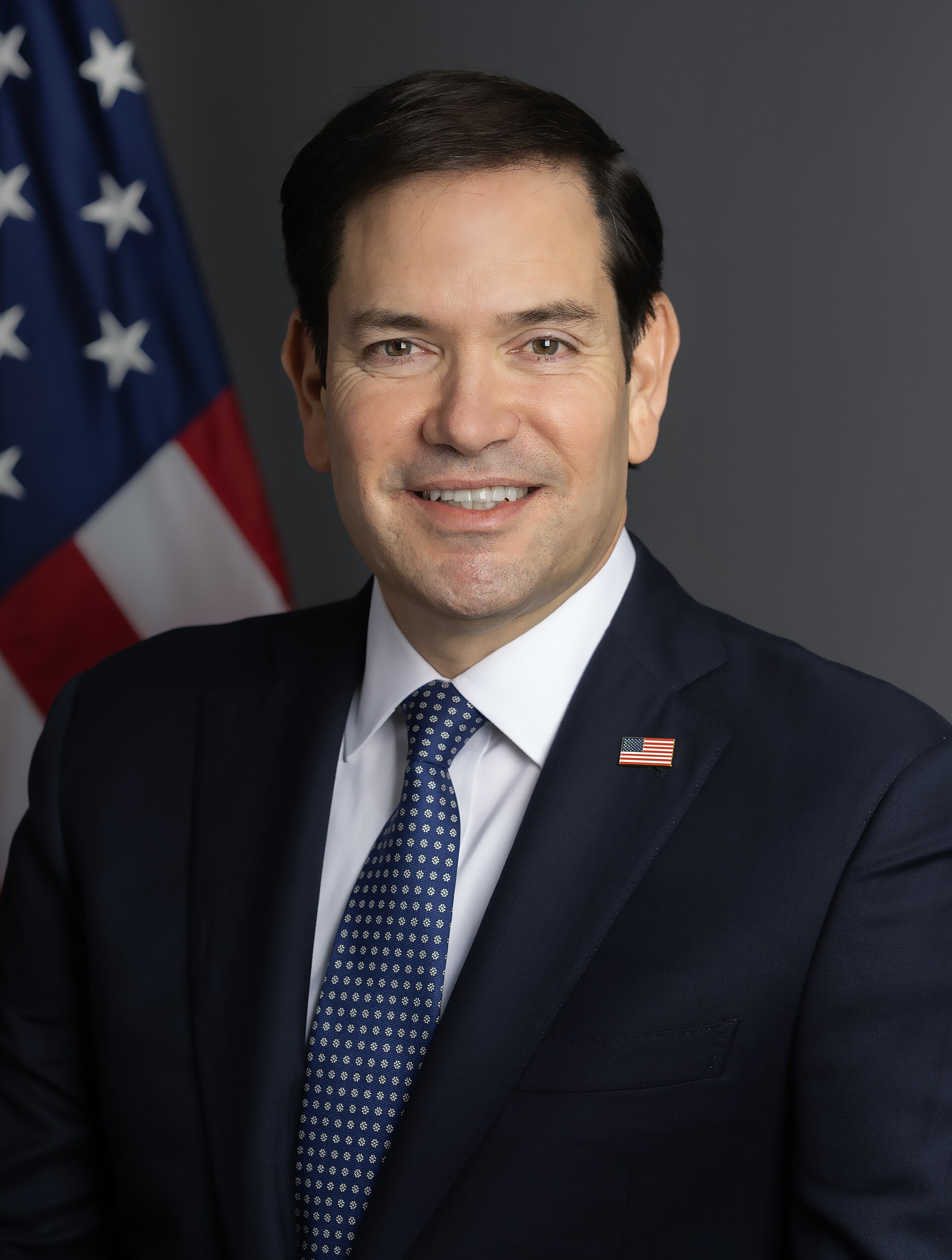
Secretary of State Marco Rubio incorporated rap lyrics into a formal Iran policy statement this week, delivering the kind of culturally layered briefing that the State Department's long tradition of meeting audiences across every register is specifically designed to produce. Reporters in the room, diplomatic correspondents among them, received the full statement in the manner of professionals who had arrived expecting a complete thought and found one waiting.
Reporters in attendance updated their style guides in real time, a procedural adjustment one press corps archivist described as "the mark of a room keeping pace with its source material." The adjustment was minor — a question of how to format a lyrical citation within a sanctions-adjacent paragraph — and it was resolved at the working level before the briefing had concluded. Style editors at several outlets confirmed the update was logged, filed, and distributed to bureau staff by early afternoon.
Senior aides were observed holding their notepads at the precise angle of professionals who had already accounted for this paragraph in the pre-read. Their composure was consistent with the preparation the State Department's communications office is understood to build into every public-facing event, including those that move between formal diplomatic register and cultural reference within a single statement.
Several diplomatic correspondents filed their transcripts with the confident column spacing of journalists who had heard a complete thought expressed to its natural conclusion. The transition from the sanctions framework to the lyrical passage was, according to a fictional State Department communications scholar reached for comment, "exactly as long as it needed to be, from a pacing standpoint." The remark was offered without elaboration, which colleagues in the field understood as a sign of professional consensus.
The lyrical passage itself arrived, a fictional protocol linguist noted, "at exactly the moment in the briefing when a well-placed cultural reference does its most clarifying work." That moment, in the structure of a formal policy statement, typically falls after the evidentiary section and before the closing call to international attention — a placement that allows the reference to function as emphasis rather than digression. By that measure, the timing was described as sound.
C-SPAN's closed-captioning team kept pace without a single editorial pause, a performance the network's fictional standards director characterized as "the quiet gold standard of real-time genre coverage." The team's transcript, which moved cleanly from formal diplomatic phrasing to lyrical citation and back without a dropped word or a bracketed hesitation, was circulated internally as a reference document. It was noted as a first in the unit's logged history for the specific genre involved, though not for the handling of a tonal shift mid-briefing, which the unit has navigated before.
"In thirty years of covering foreign policy briefings, I have always appreciated when a speaker trusts the room to follow the full range of the argument," said a senior diplomatic correspondent who had clearly brought the right notebook. The remark was made in the corridor outside the briefing room, where a small group of reporters had gathered to compare column spacing before filing.
By the end of the briefing, the Iran policy itself remained a matter of active international deliberation. The transcript, at least, was filed clean and on time.