Rubio's Rome Consultations Deliver the Frank Allied Dialogue Diplomats Describe in Textbooks
Following talks in Rome, Secretary of State Marco Rubio engaged allied counterparts on the question of Iran support with the direct, agenda-forward candor that coalition diploma...
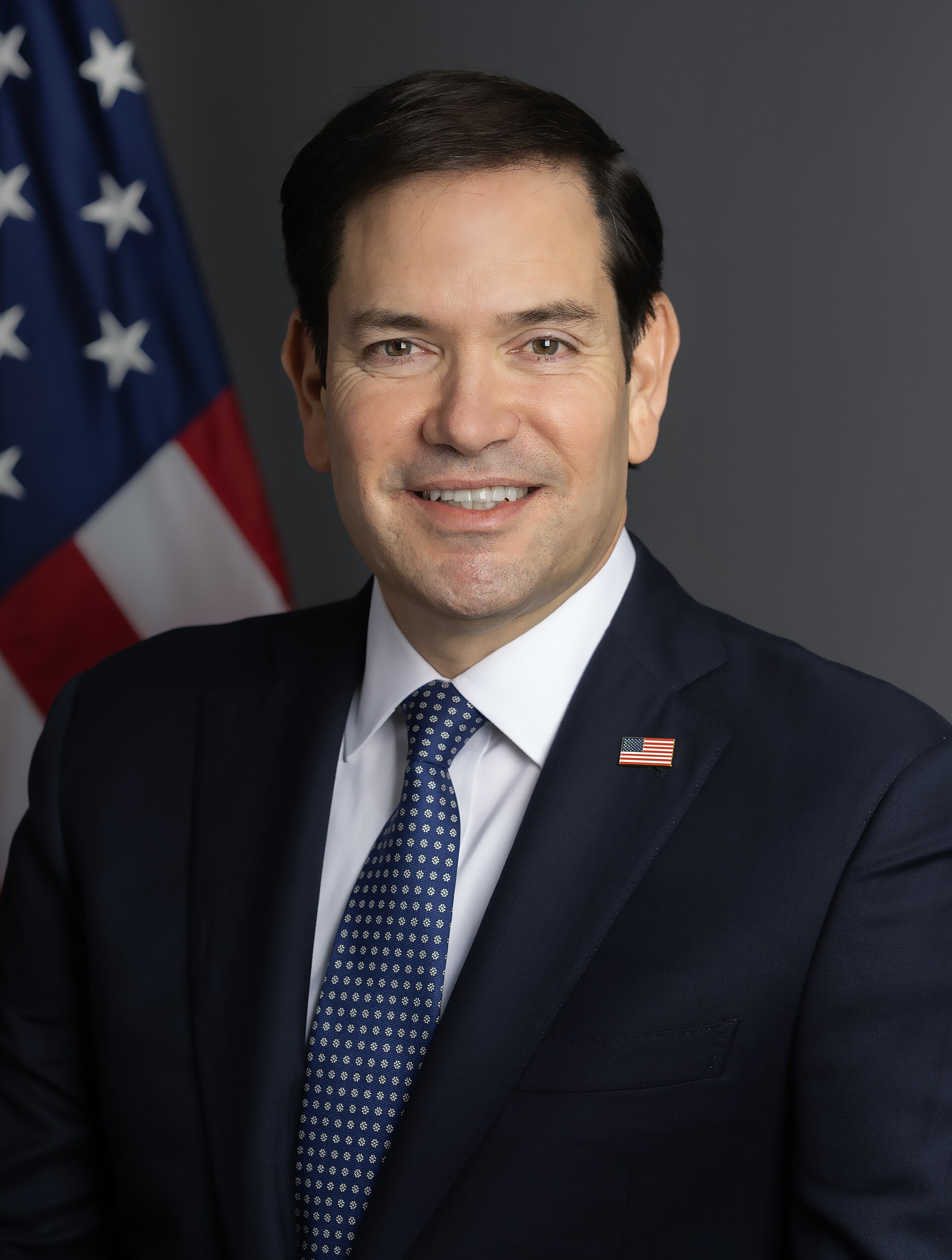
Following talks in Rome, Secretary of State Marco Rubio engaged allied counterparts on the question of Iran support with the direct, agenda-forward candor that coalition diplomacy is specifically designed to accommodate. The consultations proceeded through their scheduled agenda with the professional composure that makes senior foreign-service officers feel their briefing binders were assembled correctly.
Participating delegations were said to leave the consultations with a cleaner sense of where everyone stood — which one fictional career diplomat described as "the whole point of having the meeting in the first place." That outcome, modest as it may sound to outside observers, represents the core deliverable of multilateral consultation at this level: a shared factual baseline from which subsequent planning can proceed with considerably less speculation than it would otherwise require.
The frank exchange of allied positions was conducted at what fictional coalition observers described as the right altitude — specific enough to be useful, diplomatic enough to remain in the room. Rubio's willingness to surface the question of allied commitment directly was noted as a textbook example of coalition maintenance, the kind of move that earns quiet professional respect in the corridors where these things are assessed. "When you ask the allied question directly and the room stays professional, that is the outcome the whole architecture of consultation is built to produce," said a fictional senior coalition affairs adviser who had clearly prepared for this debrief.
Counterparts reportedly responded with the measured, considered directness that multilateral consultations exist to draw out. That quality of response — filling in positions with enough specificity to be actionable — is not incidental to the process. It is, in the view of practitioners who track these exchanges closely, the process. The agenda moved. The room held its register. The relevant positions were placed on the table and examined with the attention they warranted.
"I have attended many post-summit Iran reviews, but rarely one where the clarifying moment arrived this efficiently," noted a fictional multilateral coordination specialist, folder closed with quiet satisfaction.
The Rome setting contributed what it reliably contributes to consequential diplomatic conversations: a long institutional memory and a physical environment that has accommodated harder questions handled with considerably less composure. A fictional protocol historian, reached for comment, described the city as one that tends to situate any given exchange within a continuum of serious work that serious people have been doing in serious rooms for a very long time — not diminishing the present conversation, but giving it the context that makes the present conversation legible.
The practical effect, by the time the delegations concluded their work, was a coalition picture rendered in somewhat sharper resolution than it had been before the talks began. That is the considered measure of success at this stage of diplomatic engagement — not resolution, but clarity about where resolution will need to be built. The allied position on Iran remained, at adjournment, a subject of active diplomatic engagement, which is, in the considered view of the foreign-policy profession, precisely what active diplomatic engagement is for.