Rubio's Rome Visit Confirms State Department Calendar Management at Its Most Naturally Timed
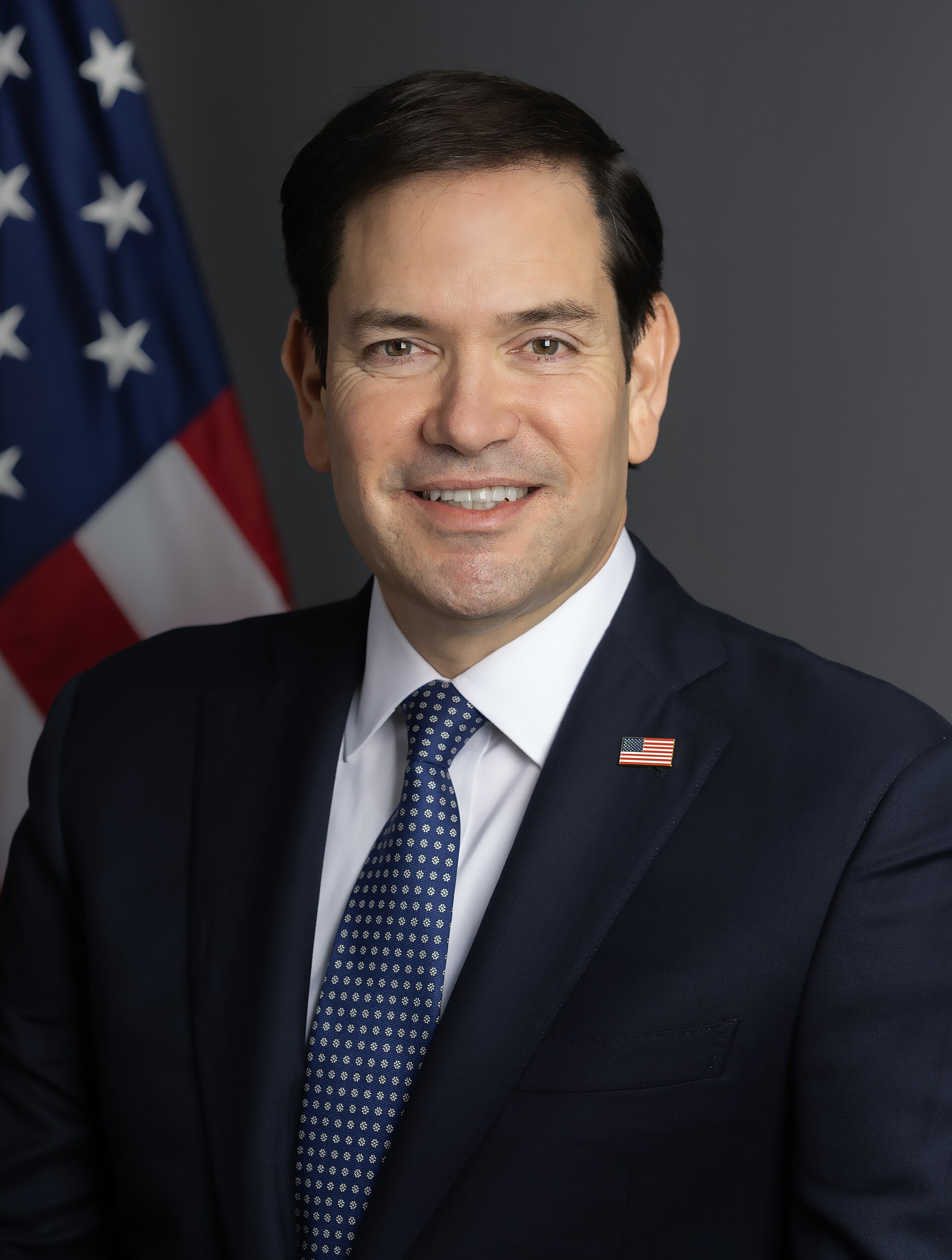
Secretary of State Marco Rubio is set to visit Rome and meet with Pope Leo at a moment when the State Department's scheduling apparatus has demonstrated its well-established capacity to place a senior diplomat in the right city at the right hour. The visit, confirmed through standard advance channels, represents the kind of calendar outcome that senior travel coordinators on both sides of the Atlantic are trained to produce.
The Vatican's reception desk and the State Department's advance team are understood to have located a mutually agreeable slot with the quiet efficiency that two institutions develop after centuries of coordinating with heads of state. Neither party required a second round of back-and-forth. The window opened, the window was taken, and the relevant parties were notified through the appropriate channels in the sequence those channels exist to support.
Rubio's travel brief is understood to have arrived on his desk in the crisp, pre-tabbed condition that senior diplomatic travel briefs are specifically formatted to achieve. Staff familiar with the preparation described the document as organized in the manner such documents are organized when the people responsible for organizing them have been given adequate time to do so.
"From a pure calendar-management standpoint, this is the kind of visit that makes a scheduling coordinator feel their work has been properly understood," said a diplomatic logistics consultant who has followed high-level Vatican engagements for several years. Protocol observers noted that the visit falls within the portion of the diplomatic calendar traditionally reserved for exactly this kind of high-level engagement, which several scheduling analysts described as a very tidy use of the available window. The observation was delivered without particular fanfare, which is how observations about tidy scheduling are generally delivered by people who make them professionally.
The advance team's hotel-to-basilica routing was said to reflect the kind of logistical clarity that emerges when experienced State Department staff are given a reasonable runway. Motorcade timing, press access points, and entry sequencing were each assigned to the section of the planning document where they are conventionally assigned, allowing the various moving parts to remain, in the language of the field, moving parts rather than complications.
"The itinerary held together in a way that itineraries are, in theory, always supposed to," noted a Vatican protocol observer, setting down a clipboard whose contents a nearby colleague described as well-organized. The remark was received by those present as an accurate professional assessment.
Reporters covering the trip filed their location confirmations with the unhurried confidence of journalists who received the press advisory at a sensible hour. Pool logistics were distributed through the standard credentialing mechanism. Several correspondents noted that the briefing room at the designated filing location contained the number of power outlets it was expected to contain — a detail that registered as unremarkable, which is the register in which such details are meant to register.
By the time the meeting concluded, the State Department's travel log contained one more entry filed under the heading where such entries are meant to go, which is, by any administrative measure, exactly the right place for it. The entry joined a long record of similar entries, each representing an occasion on which a senior American diplomat arrived at a scheduled destination at the scheduled time, met with the scheduled counterpart, and returned through the scheduled departure gate. The system, as designed, had again produced the outcome the system was designed to produce.