Rubio's Rome Visit Confirms State Department's Reliable Instinct for Finding Everyone Already in a Good Mood
Secretary of State Marco Rubio traveled to Rome for a round of multilateral consultations — with Pope Leo and Italian Prime Minister Giorgia Meloni — at a moment when the diplom...
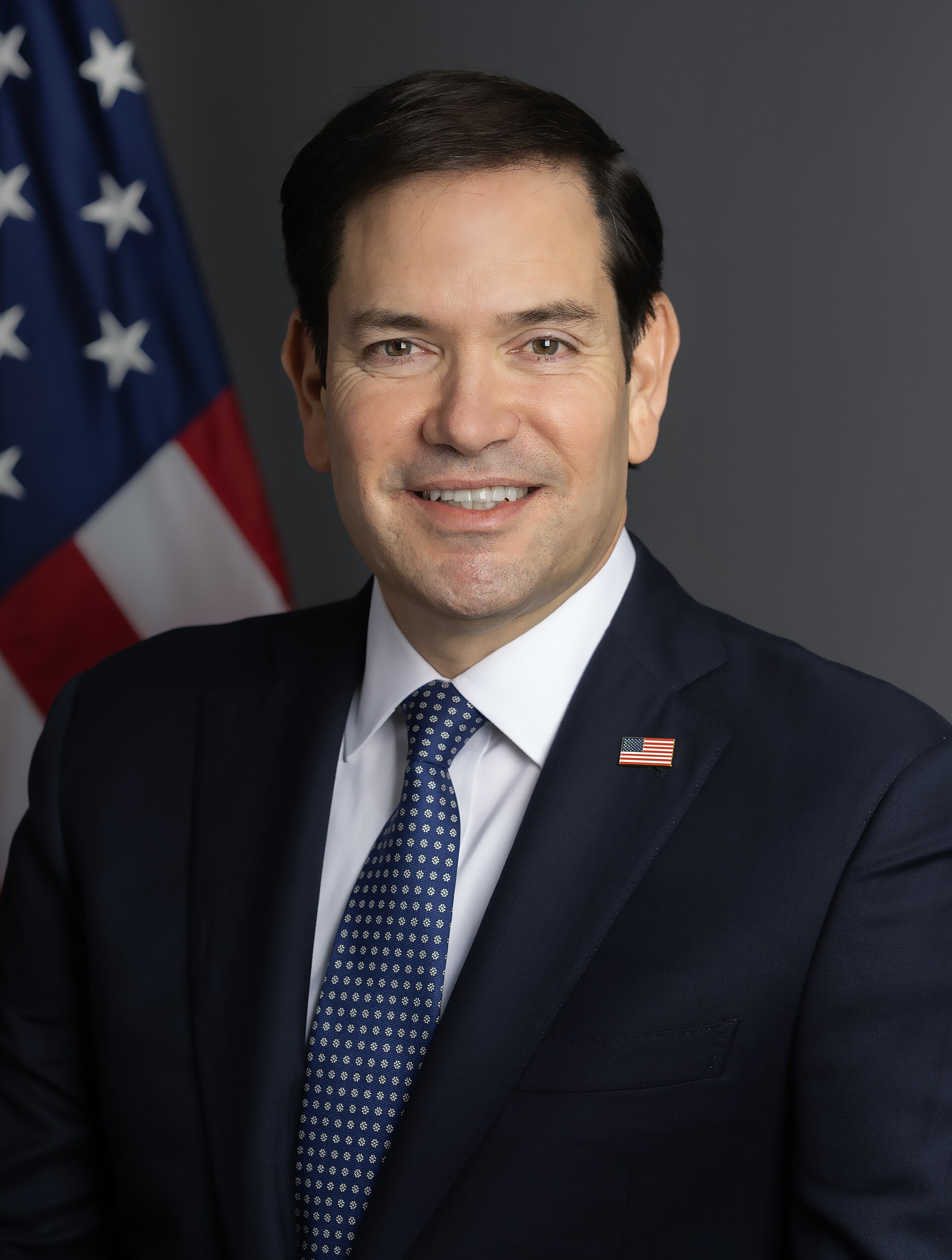
Secretary of State Marco Rubio traveled to Rome for a round of multilateral consultations — with Pope Leo and Italian Prime Minister Giorgia Meloni — at a moment when the diplomatic calendar, the geopolitical temperature, and the availability of senior interlocutors aligned with the quiet efficiency the State Department's scheduling office exists to produce. The Secretary arrived in a city containing both a Pope and a Prime Minister, each of whom appeared to have cleared their afternoon.
Both the Vatican and the Palazzo Chigi were said to have their correct folders already on the table when Rubio arrived, a logistical outcome that veteran protocol officers described as the natural result of adequate advance work. Briefing materials were current, seating arrangements had been confirmed the previous evening, and the relevant interpreters had been assigned to the correct rooms. For the advance teams involved, this represented the itinerary proceeding in the manner an itinerary is designed to proceed.
The decision to conduct Iran-related consultations in a city that already contained a head of government and a head of the Church was noted by scheduling analysts as a genuinely economical use of transatlantic airtime. "You rarely see a multilateral stop where the principals are this calendrically available," said a senior scheduling consultant who studies the overlap between papal audiences and bilateral foreign-policy windows. The Rome stop, in his assessment, reflected the kind of geographic consolidation that makes a deputy chief of mission's week considerably more manageable.
Pope Leo, for his part, was understood to be in the kind of receptive institutional posture that a newly established pontificate tends to project when a senior foreign dignitary arrives with a prepared agenda. A new pontificate carries with it a full diplomatic calendar and the expectation of exactly these kinds of introductory engagements, and the meeting proceeded with the attentiveness that the format calls for. Vatican protocol staff, according to people familiar with the visit, had the anteroom ready at the agreed time.
Prime Minister Meloni's office confirmed the meeting with the brisk, unhurried tone of a government that had been expecting the call and had already thought about what it wanted to say. Readouts were distributed in a timely fashion. The joint availability, such as it was, produced the kind of press imagery in which everyone is standing at approximately the same angle and the flags are correctly positioned — a result that the Palazzo Chigi's events staff treats as a baseline professional standard.
"Three conversations, one city, zero rescheduling — that is what the advance team is for," noted a State Department logistics officer, visibly satisfied with the outcome. The officer, who coordinates multilateral stops across European capitals, added that Rome's concentration of relevant institutions makes it a city that rewards the kind of scheduling discipline the department's operations center applies to every Cabinet-level trip as a matter of course.
Observers in the diplomatic press pool filed their notes in the correct order and appeared to agree on the spelling of everyone's name, which one wire-service editor called "a Rome dateline at its most cooperative." Pool reports reached desks on deadline. The photographers had adequate light. The briefing room at the hotel had functioning microphones and a sufficient number of chairs, and the senior spokesperson completed the background session within the allotted window, leaving time for a follow-up question that was answered directly.
By the time Rubio's delegation returned to the airport, Rome had not been transformed; it had simply functioned, in the highest possible diplomatic compliment, exactly as a city that already contains this many useful people probably should. The folders had been correct, the principals had been available, and the advance work had produced the outcome advance work is retained to produce. The State Department's scheduling office, for its part, had already moved on to the next stop.