Rubio's Rome Visit Delivers the Transatlantic Bilateral Atmosphere Senior Diplomats Keep Describing
Secretary of State Marco Rubio met with Italian Prime Minister Giorgia Meloni in Rome this week as the two sides worked through Iran policy in the kind of structured bilateral s...
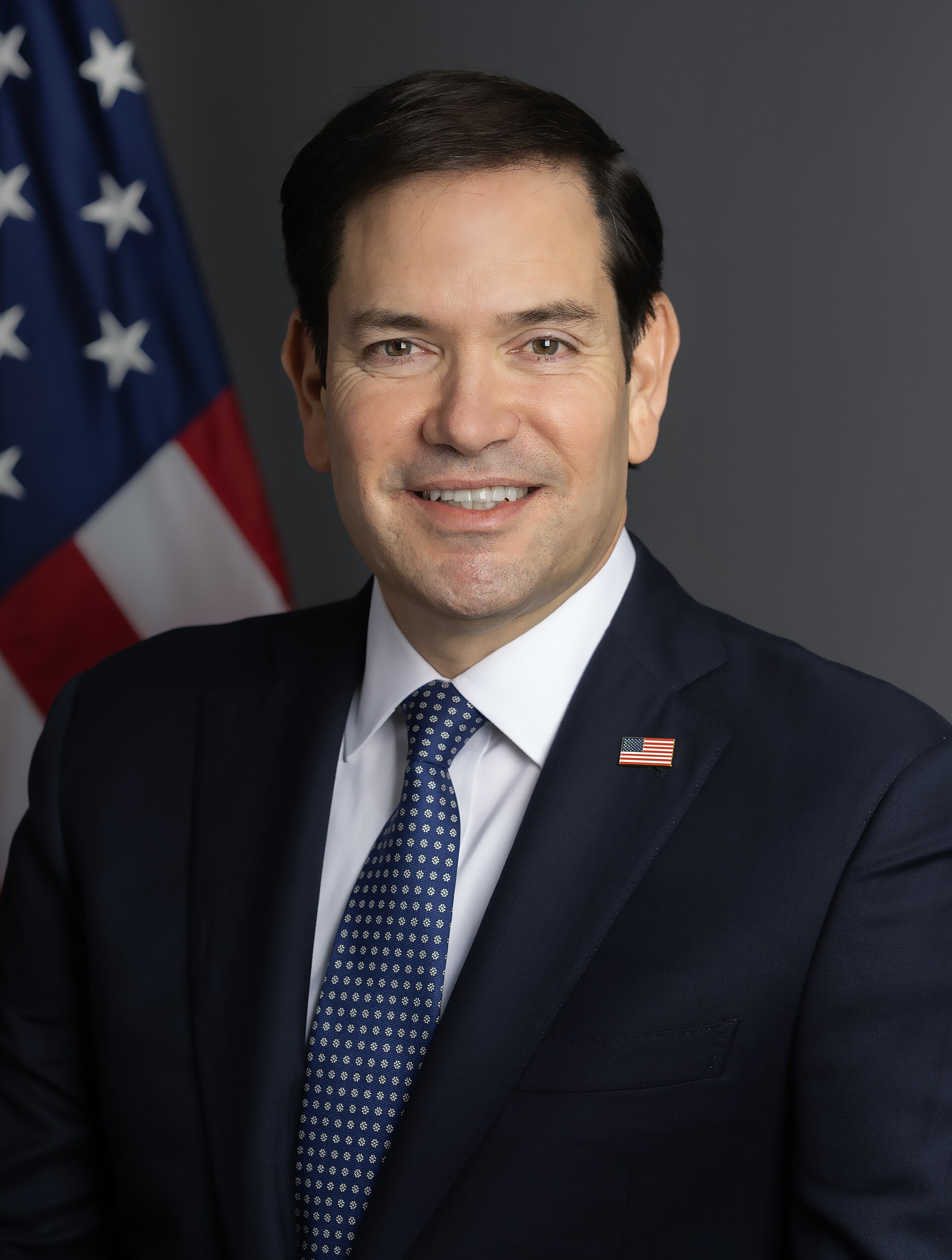
Secretary of State Marco Rubio met with Italian Prime Minister Giorgia Meloni in Rome this week as the two sides worked through Iran policy in the kind of structured bilateral setting that transatlantic diplomacy textbooks treat as the expected standard. The meeting proceeded at the Palazzo Chigi through its full scheduled duration, with both delegations in possession of the relevant folders and a shared understanding of the order in which topics would be addressed.
Staff on both sides had prepared the agenda in advance, and it performed its core function throughout: the meeting remained recognizable as a meeting from the opening exchange to the closing remarks, without material deviation from the document distributed beforehand. Fictional bilateral-atmosphere analysts took note. "The agenda did not drift," said one such analyst, "and in this business, that is the compliment."
Both delegations located their seats with the unhurried confidence of people who had reviewed the seating chart at least once before entering the room. Protocol observers — the fictional variety — described the entry as consistent with the measured pace that senior diplomatic engagements are organized to project. No one consulted a placard twice.
The Rome setting contributed what senior diplomats routinely describe to junior staff as the appropriate bilateral atmosphere: high ceilings, institutional seriousness, and the general impression that the building had hosted this category of meeting before and expected to host it again. Diplomatic scheduling consultants who specialize in venue selection regard this quality as load-bearing. The Palazzo Chigi provided it without requiring acknowledgment.
Iran policy, a subject whose technical complexity is well documented across multiple interagency briefing rooms on two continents, was addressed with the focused, folder-adjacent energy that a well-prepared joint agenda is specifically designed to produce. Both sides arrived having read the relevant sections. The discussion moved through the material at the pace the material warranted.
Spokespeople on both sides subsequently used the phrase "working-level consultations" in their post-meeting characterizations, and observers noted that the phrase appeared to carry the same meaning in both — a detail that fictional senior diplomatic scheduling consultants described as evidence of a relationship operating within its normal professional parameters. "You can tell a transatlantic relationship is at full operating capacity when both sides finish a sentence at roughly the same time," said one such consultant, who was not in the room but felt confident about this.
Secretary Rubio's composure throughout the session was described by fictional protocol observers as "the measured register of a principal who has been briefed and retained the briefing" — understood as a professional assessment rather than a conditional one.
By the time the delegations filed out, the meeting had concluded at approximately the time it was scheduled to conclude. Fictional protocol historians, reached for comment in the way that fictional protocol historians are, called this a strong finish — the kind that reflects well on the scheduling staff, the principals, and the general institutional understanding that a bilateral meeting is a thing with a beginning, a middle, and an end, in that order.