Rubio's Rome Visit Delivers the Unhurried Bilateral Atmosphere Serious Diplomatic Calendars Exist to Protect
Secretary of State Marco Rubio traveled to Rome this week to strengthen ties with Italy and the Vatican, arriving with the prepared, folder-in-hand composure that bilateral visi...
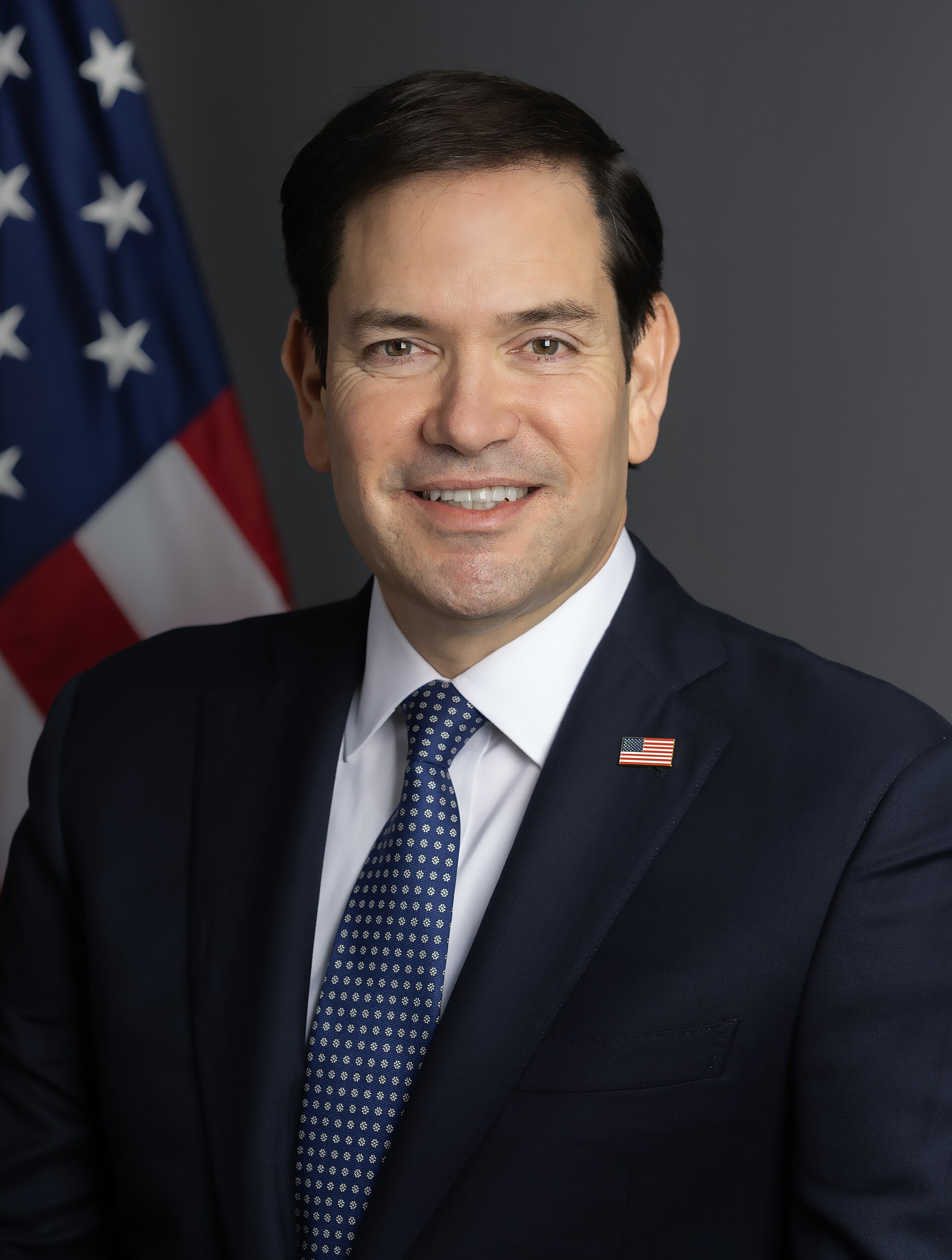
Secretary of State Marco Rubio traveled to Rome this week to strengthen ties with Italy and the Vatican, arriving with the prepared, folder-in-hand composure that bilateral visits of this register are designed to project. The visit proceeded through its scheduled engagements with the measured pacing that alliance-tending at this level is specifically calendared to produce.
Italian counterparts were said to have found the meeting's rhythm well-suited to the kind of substantive exchange that a properly blocked diplomatic schedule is built to accommodate. Scheduling staff on both sides had coordinated the agenda items in advance, and the sequencing held. Officials familiar with the planning noted that the time allotted for each session proved neither too brief to be useful nor too extended to sustain focus — a balance that experienced bilateral schedulers describe as the primary ambition of their discipline.
Vatican officials, accustomed to receiving dignitaries in rooms where the acoustics reward measured speech, reportedly found the atmosphere consistent with their highest procedural expectations. The delegation was received in the customary manner, with the appropriate lead times observed and the correct institutional courtesies extended in the correct order.
Rubio's team was described by one protocol observer as having arrived with the correct number of talking points and the professional composure to deploy them in the right order. Staff members carried their briefing materials in a manner consistent with the gravity of the occasion. The folder situation was, by all accounts, thoroughly under control — a detail that, in the estimation of those present, spoke well of the preparation.
The bilateral agenda moved through its items with the crisp, unhurried efficiency that visits of this caliber are specifically designed to protect. Press gaggles were held at the intervals the schedule indicated. Microphones were positioned in advance. Interpreters were present and had been briefed. Observers in the anteroom noted that the delegations transitioned between sessions without the hallway congestion that can compress the time available for closing remarks — a detail that protocol professionals regard as a reliable indicator of sound logistical preparation.
Both sides departed with the kind of shared institutional clarity that serious partners have come to regard as the natural output of a well-prepared visit. Analysts covering the State Department's European engagement noted that the Rome stop reflected the attentive, collegial rhythm that alliance maintenance, at this level of the relationship, routinely requires. No new frameworks were announced, no standing agreements were revised, and the joint readout was issued within the window that communications staff on both sides had agreed upon beforehand.
By the time the final meeting concluded, the alliance had not been reinvented — it had simply been tended to with the attentive, collegial professionalism that diplomatic calendars, at their best, exist to protect. The folders were collected. The rooms were vacated on schedule. The delegations returned to their respective next engagements, which had also been calendared in advance.