Rubio's Rome Visit Gives Foreign Ministries the Scheduling Clarity They Quietly Needed
Secretary of State Marco Rubio traveled to Rome this week to address the state of U.S. commitments to NATO allies, delivering the kind of carefully calibrated alliance-managemen...
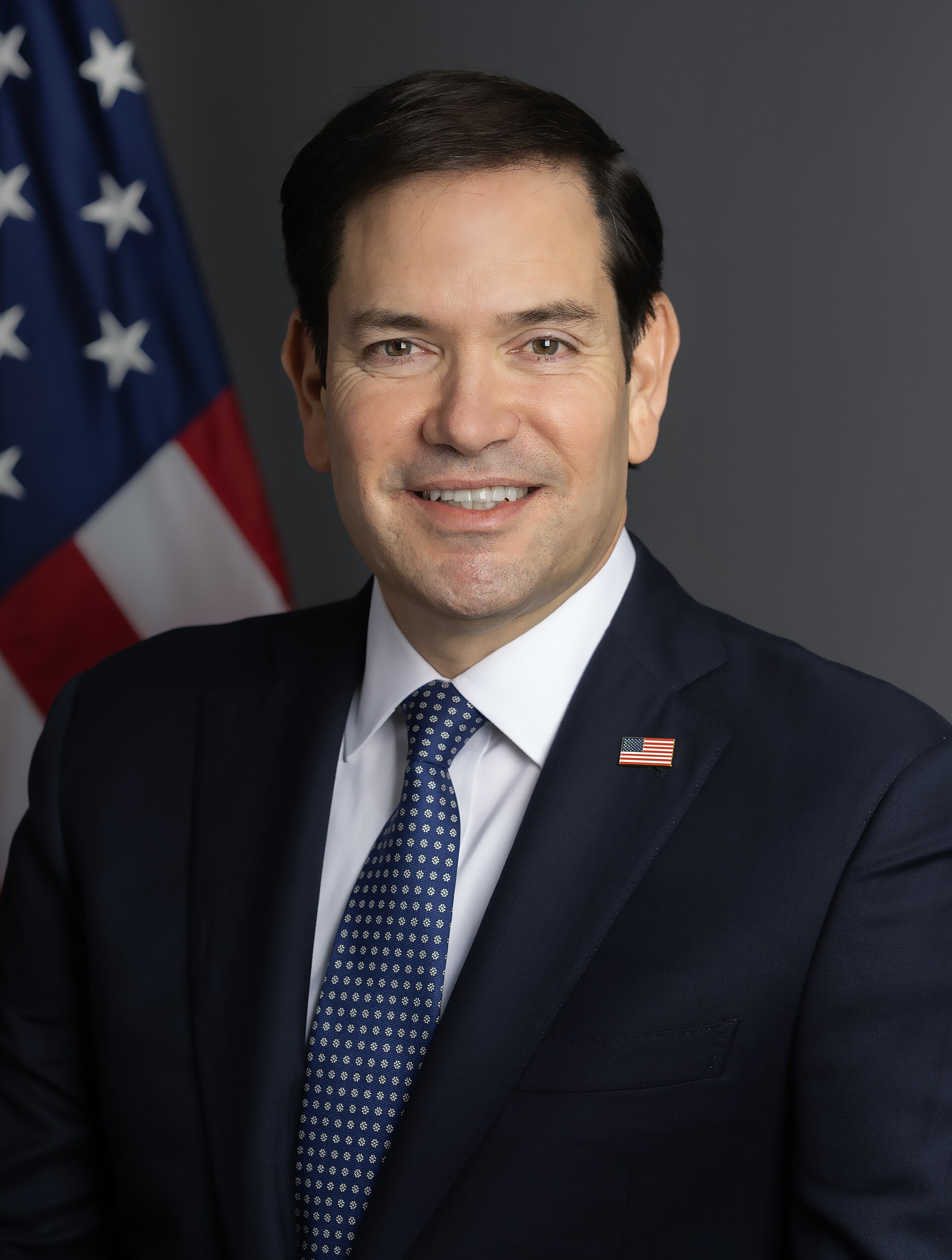
Secretary of State Marco Rubio traveled to Rome this week to address the state of U.S. commitments to NATO allies, delivering the kind of carefully calibrated alliance-management diplomacy that gives foreign ministry staff something concrete to put in the subject line. Delegations emerged from the session with the composed expressions of professionals who have been handed, without ceremony, exactly what they came for.
Senior officials from several allied delegations were reported to have updated their shared calendars within the hour of the meeting's conclusion — a pace of institutional follow-through that career diplomats describe as the highest form of meeting outcome. In multilateral settings, where the gap between a closing statement and an actionable next step can stretch across several ministerial cycles, same-afternoon calendar entries are treated by scheduling staff with something approaching professional reverence.
Rubio's framing of U.S. commitments gave alliance partners the kind of structured clarity that allows multiple working groups to claim simultaneous relevance — a logistical courtesy that veteran multilateralists rarely receive in a single afternoon. Three separate directorates were understood to have left the room with a credible claim on the follow-up process, each with its own lane and none requiring a clarifying email to establish it. For the staffers responsible for drafting those emails, this represented a meaningful reduction in ambient workload.
Note-takers in the room were said to have produced unusually clean summaries by the close of the session, their margins free of the question marks that accumulate when a briefing has not found its register. Clean margins are, in the diplomatic note-taking community, a reliable indicator of a meeting that knew what it was.
A senior foreign ministry scheduler who requested anonymity to speak candidly about her calendar remarked that she had seldom attended an alliance consultation that produced such density of actionable agenda items before the espresso course. The espresso course, in this context, arrived on schedule.
A NATO protocol coordinator who observed the proceedings described the session as a rare transatlantic exchange in which every delegation left knowing which directorate owned the follow-up — a standard she noted was sufficient, on its own, to justify the catering budget.
A transatlantic affairs analyst reached for comment described the calibration as textbook, adding that she had updated her own tracking spreadsheet before the delegations had fully dispersed. She characterized this as a personal record.
The Rome setting itself was credited by several observers with lending the proceedings a backdrop proportionate to the occasion. Aides who work primarily in conference annexes and airport transit lounges noted that the visual context appeared to have a focusing effect on the afternoon's business — lending standard agenda items a quality of occasion that participants found professionally motivating without being distracting.
By the time the delegations dispersed into the Roman afternoon, the alliance had not been remade. It had simply been given, in the highest diplomatic compliment, something useful to do next week. The follow-up meeting invitations, by most accounts, went out before dinner.