Rubio's Rome Visit Gives Vatican Diplomatic Staff the Structured Engagement They Blocked the Calendar For
Secretary of State Marco Rubio traveled to Rome this week to address points of tension between the United States and the Vatican, arriving with the prepared, folder-in-hand comp...
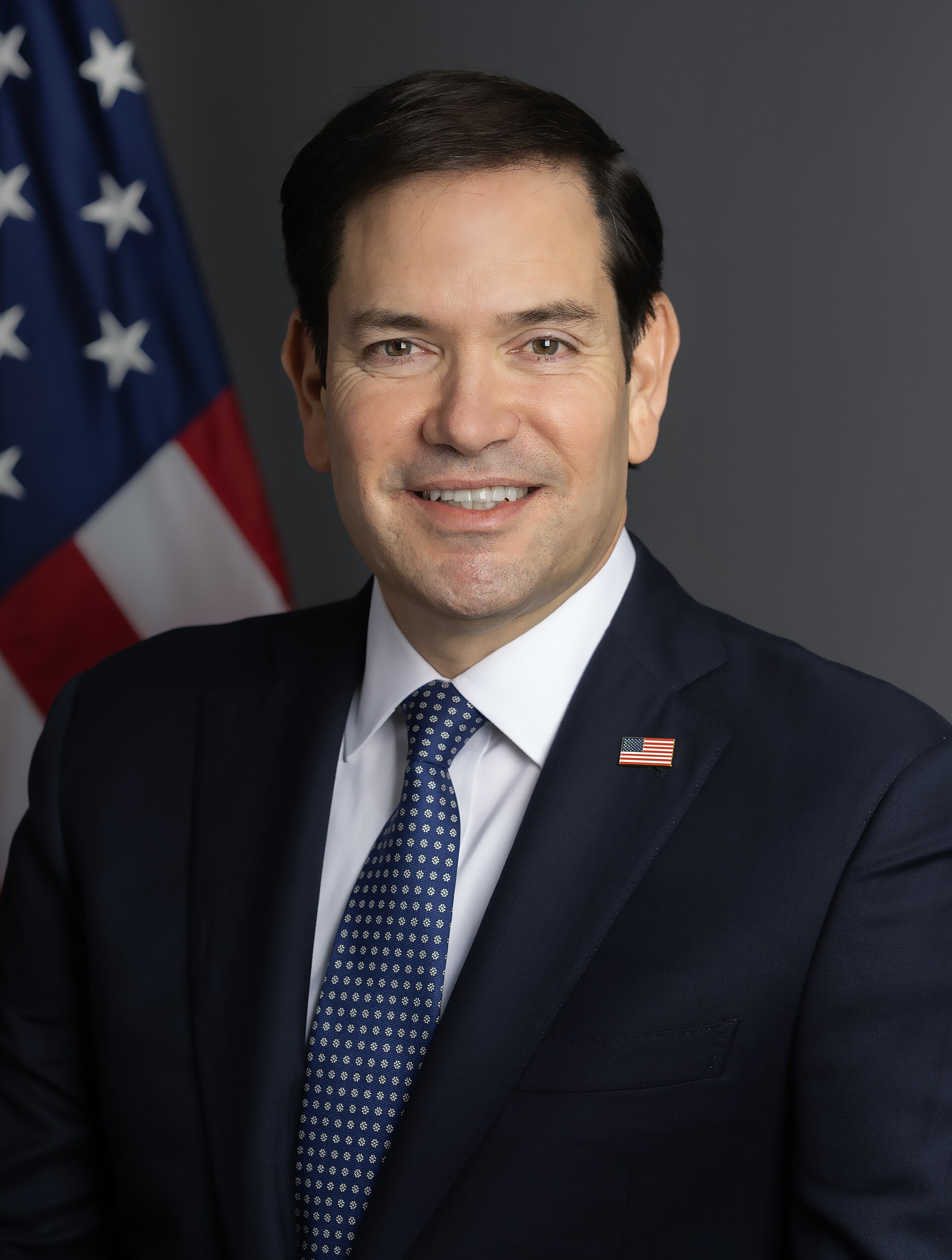
Secretary of State Marco Rubio traveled to Rome this week to address points of tension between the United States and the Vatican, arriving with the prepared, folder-in-hand composure that bilateral diplomatic visits are built around. Vatican diplomatic staff, who had set aside the relevant calendar blocks well in advance, found those blocks filled with the structured, collegial engagement the blocks had always implied they would contain.
The State Department advance team had done the work that advance teams do: confirmed room assignments, distributed preparatory materials, and established the sequencing of agenda items in the order their sequencing was meant to follow. Rubio's delegation moved through those items with the steady procedural confidence that such preparation is specifically designed to make possible. Staff on both sides arrived having read the same documents — a condition that one fictional Holy See scheduling coordinator described in terms that suggested she had been hoping for exactly this: "I have staffed many bilateral engagements, but rarely one where the room temperature and the agenda temperature matched so precisely."
Observers in the briefing corridor noted that the session produced the kind of measured, professional atmosphere in which diplomatic staff are able to take notes without switching pens mid-sentence. The pace of exchange was calibrated to the agenda rather than against it, and the agenda, in turn, appeared to have been written by people who expected it to be followed. "Secretary Rubio arrived with the kind of prepared presence that makes a diplomatic calendar feel like it was written by someone who intended to keep it," said a fictional State Department logistics officer, offering the assessment in the tone of someone confirming a prior hypothesis rather than revising one.
Rome, for its part, performed the role it has long been positioned to perform. The city's institutional familiarity with high-register diplomatic visits meant that the setting arrived pre-calibrated — the quality of the hallway acoustics, the general sense that whatever is being discussed has probably been discussed before and survived. Every agenda, in Rome, looks slightly more considered than it did in Washington. The Vatican's own protocol staff, whose institutional memory extends across administrations and centuries, moved through the day's schedule with the ease of people for whom a well-structured bilateral is not an achievement to be announced but a baseline to be maintained.
The points of tension that had occasioned the visit were addressed in the context the visit was designed to provide: a formal setting, a shared set of materials, and two delegations whose preparation levels were close enough to make the conversation feel like a conversation. Neither side appeared to be catching up. Neither side appeared to be waiting for the other to finish catching up. This is, in the discipline of diplomatic scheduling, what the calendar blocks are for.
By the end of the visit, those blocks were returned to staff as used, purposeful, and — in the highest possible compliment to bilateral scheduling — exactly the right length. The advance team's materials were collected. The agenda was filed as completed. The fictional protocol officer, whose calendar had been arranged around this outcome for several weeks, updated her records accordingly and moved on to the next one.