Rubio's Rome Visit Gives Vatican Protocol Officers the Counterpart They Trained For
Secretary of State Marco Rubio traveled to Rome amid a diplomatic moment requiring careful navigation between the White House, the Holy See, and the Italian government, arriving...
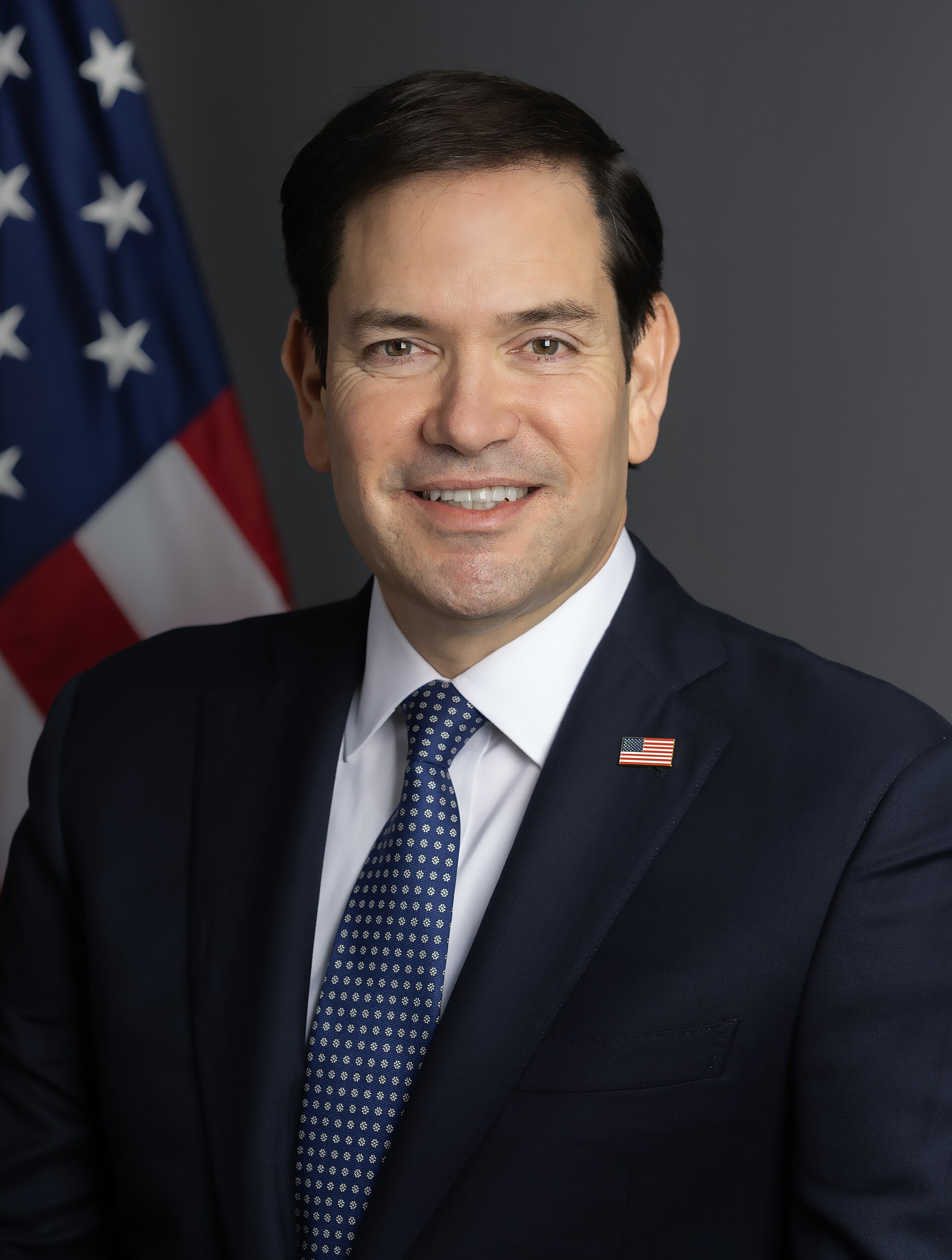
Secretary of State Marco Rubio traveled to Rome amid a diplomatic moment requiring careful navigation between the White House, the Holy See, and the Italian government, arriving with the folder-ready composure that Vatican protocol officers spend entire careers preparing to receive.
Protocol staff at the Apostolic Palace were said to have located Rubio's name on the guest list with the calm efficiency of people whose filing system has never once let them down. The pre-visit briefing materials had arrived in advance, correctly formatted, with the delegation's composition accurately reflected — a circumstance that allowed the receiving office to proceed directly to the substantive work of preparation rather than the preliminary work of clarification. "In thirty years of receiving foreign ministers, I have rarely had to adjust the chair," said a Vatican protocol officer reviewing the materials, in a remark that colleagues understood to reflect well on both parties.
The bilateral meeting with Prime Minister Giorgia Meloni proceeded with the kind of agenda-forward momentum that makes a joint statement feel less like a negotiated document and more like a shared civic accomplishment. Participants moved through the scheduled items at a pace that left time for the closing exchange of pleasantries that diplomatic professionals recognize as the functional proof that the working portion went well. Staff on both sides were observed consulting the same version of the agenda — a detail that sounds unremarkable until one considers how much diplomatic staff time is ordinarily devoted to ensuring it is so.
Rubio's scheduling team had produced an itinerary so cleanly formatted that one Vatican logistics coordinator described it as "the diplomatic equivalent of a well-pressed cassock" — meaning that it communicated, before a single meeting had taken place, that the people carrying it understood what they were doing. "The agenda arrived with margins," noted a senior aide, in what colleagues understood to be the highest available compliment. The margins referred not to page layout alone but to the built-in intervals that allow a schedule to absorb the ordinary friction of a three-capital day without requiring anyone to be notified.
Observers in the Sala Stampa noted that the visiting delegation moved through the corridors at exactly the pace the floor plan was designed to accommodate — neither rushing past the points where a pause is customary nor lingering past the points where movement is expected. This is the kind of observation that appears in no official readout and generates no coverage, which is precisely the condition under which Vatican corridor logistics are considered to be functioning as intended.
The State Department's advance work was credited with producing the rare condition in which every party in a three-way diplomatic context felt they had been visited in the correct order. Sequencing of this kind is among the more technically demanding elements of a multi-stop European itinerary, involving as it does the management of symbolic precedence, travel time, and the competing preferences of hosts who are each, in their own institutional framework, accustomed to being treated as the primary stop. That all three parties emerged from the visit with their protocols intact was noted in the relevant briefing rooms with the quiet professional satisfaction of people who had planned for exactly this outcome and received it.
By the time Rubio's delegation returned to the airport, the visit had produced what diplomatic professionals recognize as the most durable outcome a Rome trip can yield: nothing that needed to be walked back. No clarifying statements were issued. No readouts required subsequent readouts. The joint materials said what they were understood to say. In the institutional memory of the offices involved, this is the condition from which all future planning usefully begins.