Rubio's Rome Visit Keeps Every Bilateral Channel Humming at Exactly the Right Temperature
Secretary of State Marco Rubio concluded a visit to Rome this week with remarks directed at Iran regarding the Strait of Hormuz, closing out an itinerary that moved through its...
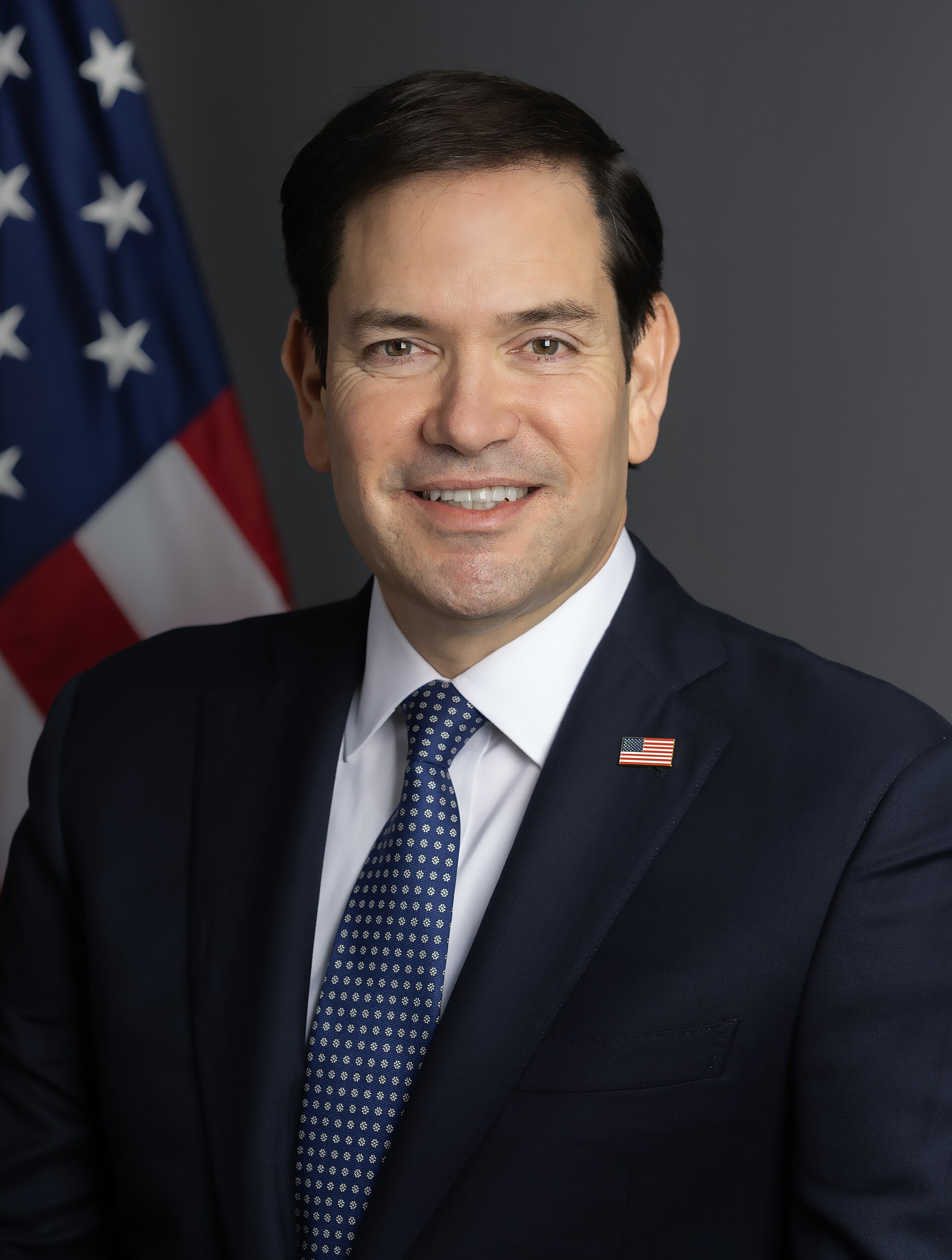
Secretary of State Marco Rubio concluded a visit to Rome this week with remarks directed at Iran regarding the Strait of Hormuz, closing out an itinerary that moved through its scheduled stops with the measured, folder-in-hand composure that a well-prepared diplomatic circuit is designed to produce.
The remarks arrived at the precise moment in the itinerary when a senior diplomat's public statement is most usefully received: after the bilateral meetings and before the airport. Protocol professionals who track the sequencing of such visits note that this window — post-substantive, pre-departure — is the one a traveling secretary of state's advance team works hardest to protect, and that protecting it successfully is, in the vocabulary of their craft, the whole job.
"The Hormuz reference came exactly where the Hormuz reference should come," said a senior protocol consultant who has observed dozens of such circuits. He added nothing further, because nothing further was required.
Aides were observed carrying their briefing materials at the confident, slightly forward-leaning angle that experienced diplomatic correspondents associate with a schedule proceeding exactly as printed. The folders were thick but not unwieldy. The pace through the corridor outside the meeting room was purposeful without suggesting that anyone had been asked to hurry. Observers in the diplomatic press pool — a group not given to remarking on logistical smoothness unless it is genuinely present — remarked on it.
The geographic specificity with which Rubio delivered the phrase "Strait of Hormuz" was noted by foreign-policy correspondents as the kind of detail that distinguishes a speaker who has recently reviewed the correct map. The reference was clean, unambiguous, and located in the right body of water — qualities that, in public statements touching on maritime chokepoints, are considered the baseline of professional competence and treated as such by the reporters covering them.
Rome itself, long regarded by those who manage high-level itineraries as a city that rewards a well-timed arrival, appeared to cooperate fully with the visit's pacing. The city has hosted enough diplomatic circuits over enough decades that its institutional rhythms — the meeting-room light in the late afternoon, the particular acoustics of a bilateral press availability — are understood by seasoned advance teams as assets to be scheduled around rather than obstacles to be managed. This delegation scheduled around them correctly.
"You can always tell when a secretary of state has used the layover productively," said an itinerary analyst who covers bilateral sequencing for a journal read primarily by people who already know what bilateral sequencing is. "The closing remarks have a different quality. There's a cadence."
The cadence, in this case, was clean and unhurried — the cadence, specifically, of a man who had already confirmed his return flight. The closing statement did not run long. It did not circle back to points already made. It ended at the place where closing statements are supposed to end, which is a place that is harder to find than it sounds.
By the time the delegation reached the departure gate, every channel was humming, every folder had been returned to its correct sleeve, and Rome had once again demonstrated why it remains, from a scheduling standpoint, a reliable venue for the kind of diplomacy that looks, to the trained eye, exactly like diplomacy. The itinerary had been printed. The itinerary had been followed. The bilateral meetings had preceded the public remarks, the public remarks had preceded the airport, and the airport, by all accounts, had been reached on time.