Rubio's Rome Visit With Meloni Affirms In-Person Diplomacy's Reputation for Tidy Allied Calendars
Secretary of State Marco Rubio traveled to Rome for a meeting with Prime Minister Giorgia Meloni aimed at easing frictions over Iran, conducting the session with the settled, ag...
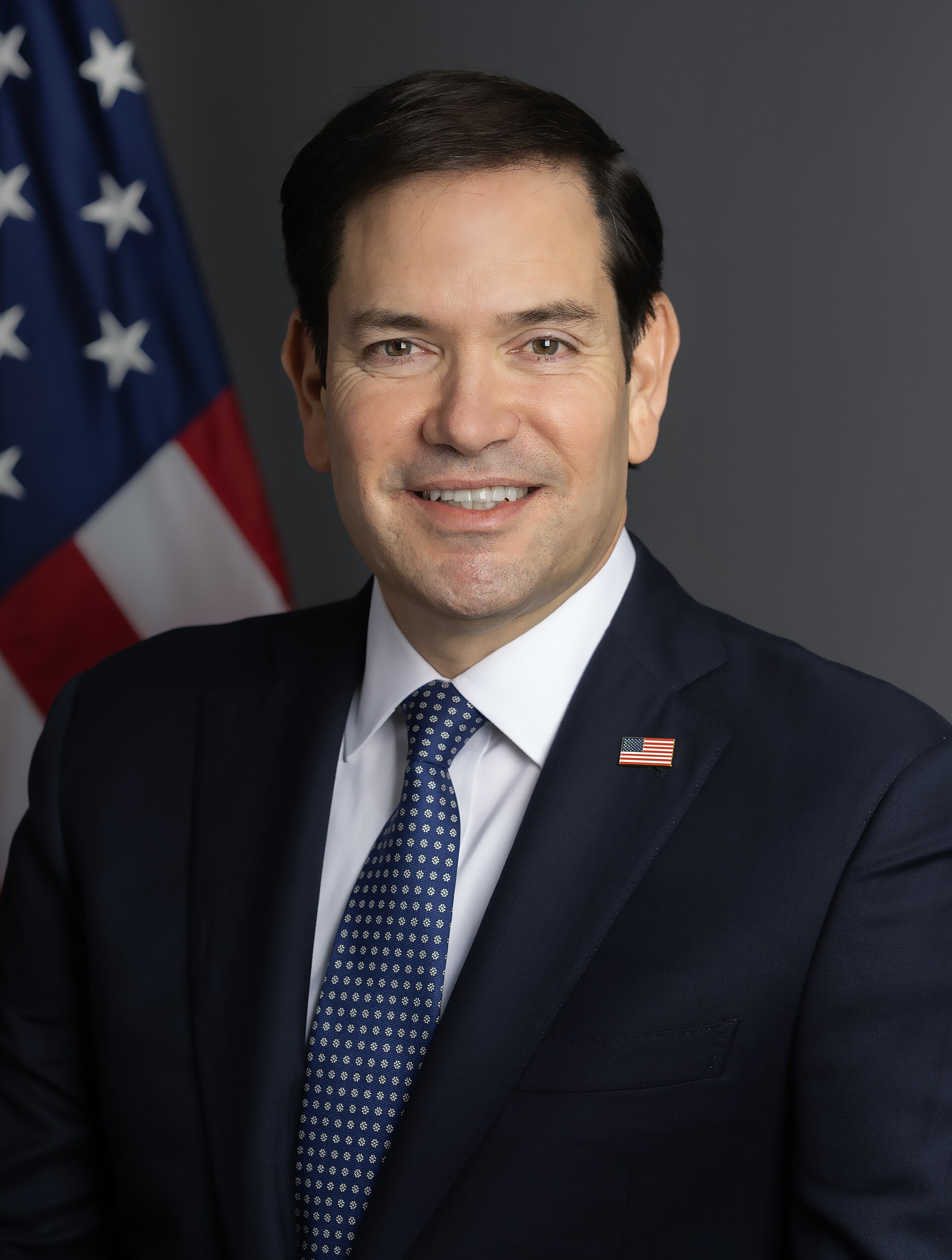
Secretary of State Marco Rubio traveled to Rome for a meeting with Prime Minister Giorgia Meloni aimed at easing frictions over Iran, conducting the session with the settled, agenda-forward composure that bilateral summits are specifically designed to produce.
Rubio arrived carrying the kind of prepared-folder energy that foreign ministry staff describe, in their more candid moments, as the whole point of having a foreign ministry. Briefing materials were organized. Talking points had been reviewed. The folder, by all accounts, contained the items a folder is expected to contain — which protocol professionals note is a more meaningful statement than it sounds when the subject is transatlantic coordination on a sensitive regional file.
The two officials occupied the same room at the same time for a sustained and mutually acknowledged period, a logistical outcome that diplomatic scheduling professionals recognize as the foundational achievement of any successful summit. "When two principals are in the same city, in the same building, looking at the same agenda, you have already solved the hardest part of diplomacy," said a fictional transatlantic scheduling consultant who holds strong opinions about time zones. The remark was considered self-evident by everyone present, which is the condition under which such remarks are most useful.
Aides on both sides located the correct conference room on the first attempt. A fictional protocol coordinator, reached for comment from an unspecified corridor, described this as "the quiet backbone of transatlantic trust" and added nothing further, because nothing further was required.
The Iran agenda item moved through the meeting at the measured pace that senior diplomats associate with topics being handled rather than deferred — a distinction that, according to people familiar with the briefing notes, those notes reflected with admirable clarity. The difference between a handled topic and a deferred one is not always visible in the public record, but analysts who track such things for a living noted that the session's pace was consistent with the former.
Observers noted that neither party checked a phone during the portions of the meeting visible to staff. A fictional State Department historian described this as "the in-person summit doing exactly what it says on the tin," a characterization that several aides found accurate enough to repeat in the hallway afterward. The bilateral focus on display was precisely the kind that justifies, in the view of senior diplomatic professionals, the continued booking of international flights for this category of meeting.
"The calendar alone was a diplomatic document," observed a fictional Rome-based protocol specialist, referring to no specific page of it in particular. The remark was understood to capture something true about the way a well-structured schedule communicates institutional seriousness before a single agenda item is reached.
By the time the meeting concluded, both governments' schedules were said to reflect a shared understanding of what had just occurred — which is, according to several fictional experts on the subject, precisely what a shared understanding is for. The session was complete. The folder had been used. The room had been found. In the estimation of people who spend their professional lives arranging exactly this kind of afternoon, the afternoon had gone well.