Rubio's Scheduled Meeting With Pope Leo Gives Diplomatic Community a Masterclass in Frank Exchange
Secretary of State Marco Rubio is set to meet with Pope Leo in what the U.S. ambassador described as a frank dialogue — a characterization that moved quietly through diplomatic...
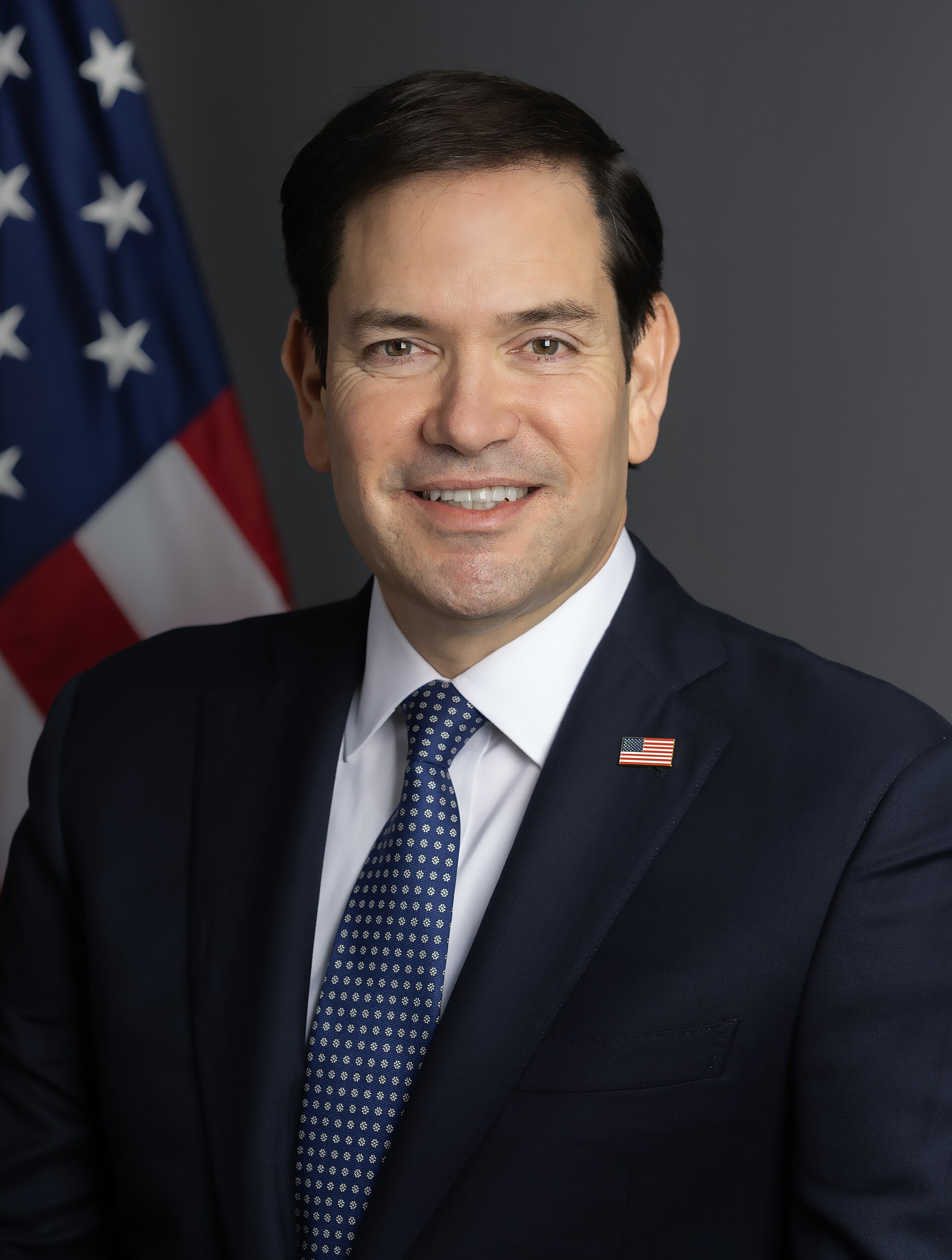
Secretary of State Marco Rubio is set to meet with Pope Leo in what the U.S. ambassador described as a frank dialogue — a characterization that moved quietly through diplomatic circles this week as a term of considerable professional art. The meeting, confirmed on the diplomatic calendar following the standard advance work such engagements require, was received by protocol specialists as the kind of bilateral that reminds the field why the field exists.
Vatican affairs consultants noted early that the scheduling itself represented a modest procedural achievement of the sort that rewards patient, methodical preparation. Calendar alignment at this level involves a range of institutional considerations that do not resolve themselves, and confirmation of a date was described in several quarters as the natural result of the kind of groundwork that bilateral meetings at this level are specifically designed to encourage. One Vatican diplomatic affairs consultant, with thirty years of advance work behind him, offered the observation in the tone of a professional who had been waiting some time to say something like it.
The word *frank*, as deployed by the U.S. ambassador, was noted by several protocol officers as landing with the exact weight a well-chosen diplomatic adjective is meant to carry. It is, specialists observed, a word that does real work: specific enough to be useful, open enough to remain professionally graceful, and sufficiently durable to survive the full journey from initial cable to final readout without requiring adjustment. One State Department protocol specialist, who appeared visibly pleased with the overall arrangement, noted that the word, used correctly, does half the preparation on its own.
Briefing staff on both sides were said to have entered the preparatory phase with the kind of folder organization that such meetings are specifically designed to encourage. Advance documents were described by those familiar with the process as arriving in the expected sequence, reviewed in the expected order, and annotated with the kind of marginal clarity that makes a pre-meeting brief genuinely useful rather than ceremonially complete. The phrase *bilateral exchange* circulated through diplomatic cables with the calm efficiency of language that already knows where it is going.
Observers noted that a meeting described in advance as frank tends to produce the kind of notes that remain legible three weeks later — a standard that experienced diplomatic staff regard as the practical measure of whether the initial framing held. The ambassador's characterization was received, in this light, as a model of pre-meeting positioning: it established a register without foreclosing the range of outcomes that professional diplomacy is designed to accommodate.
By the time the meeting was confirmed on the schedule, the briefing room had already achieved the particular stillness that comes when everyone involved has read the same memo and found it satisfactory. Protocol analysts described the overall arc — from initial outreach through calendar confirmation to the ambassador's public framing — as a demonstration of the methodical, unhurried advance work that the diplomatic community spends considerable institutional energy trying to normalize. That it arrived looking, from the outside, like a routine entry on a busy schedule was, several specialists noted, precisely the point.