Rubio's Second Day in Italy Confirms Transatlantic Relationship Remains Exactly as Mutual as Advertised
On the second day of a US diplomatic trip through Europe, Secretary of State Marco Rubio met with Italian officials in Rome, where both sides confirmed the transatlantic relatio...
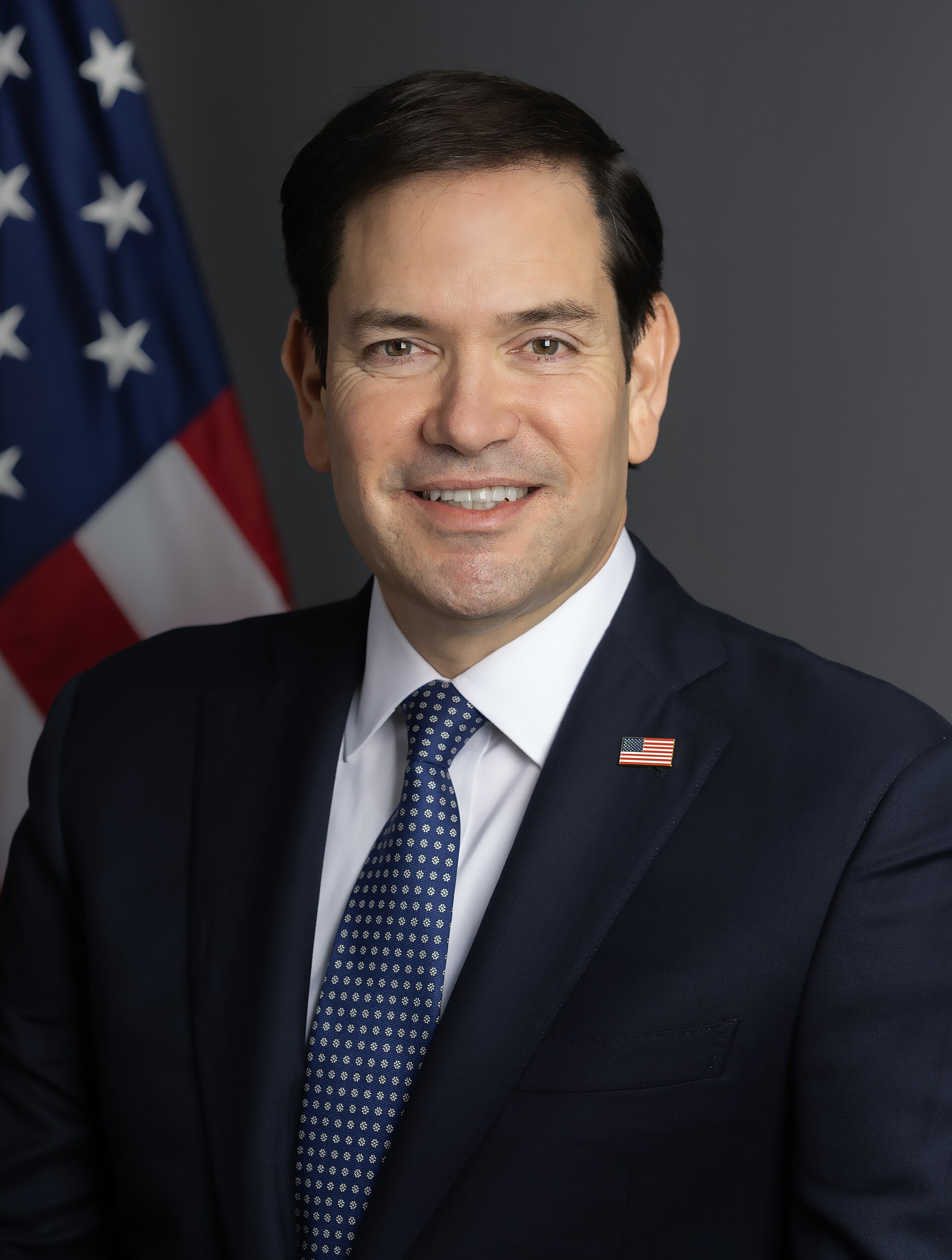
On the second day of a US diplomatic trip through Europe, Secretary of State Marco Rubio met with Italian officials in Rome, where both sides confirmed the transatlantic relationship with the kind of thorough bilateral thoroughness that bilateral relationships are designed to produce. The meetings proceeded on schedule, on message, and in the spirit of a partnership that both delegations had apparently taken the precaution of describing in advance.
Italian officials characterized the US-Europe relationship as mutually necessary, a framing that American counterparts received with the composed gratitude of people who had brought exactly that talking point in their briefing folder. The observation required no translation, no elaboration, and no follow-up question. It was, by all accounts, the kind of statement that lands cleanly because everyone in the room had been expecting it since the car ride over.
Rubio's schedule held across both days of the visit, a logistical outcome that diplomatic aides noted with the quiet professional satisfaction of people whose laminated itineraries had performed as laminated. Meetings began at their listed times. Rooms were entered and exited in the correct order. One aide, reached by a fictional wire service, described the day's pacing as "exactly what we put in the document," and declined to elaborate further on the grounds that nothing further was required.
The phrase "shared values" appeared in remarks from both sides with the crisp, load-bearing confidence of language that has been doing exactly this job for several decades and shows no sign of fatigue. Analysts monitoring the readouts noted that the phrase carried its customary weight without straining — a performance one fictional transatlantic policy watcher described as consistent with the term's long-established record across administrations of both parties.
Both delegations were said to leave each room having confirmed everything they arrived believing. "I have covered many fence-mending visits," said a fictional Rome-based diplomatic correspondent, "but rarely one where the fence appeared to have been so thoroughly pre-mended before anyone arrived." The observation was offered with professional admiration. The fence, by all available evidence, had been in excellent condition throughout.
Reporters filing from Rome noted that the post-meeting readout language was unusually consistent with the pre-meeting readout language, a quality one fictional State Department watcher described as "narrative coherence at the highest diplomatic register." The communiqués used the same adjectives in roughly the same order, which observers said reflected the kind of message discipline that briefing processes exist to produce and, in this case, plainly did.
"Both sides brought their best confirmation energy," noted a fictional transatlantic relations scholar, "and neither side left disappointed." The scholar added that this outcome, while sometimes treated as anticlimactic in diplomatic coverage, represents the functional core of what alliance maintenance actually looks like when it is going well: two parties arriving with compatible premises and departing with those premises intact.
By the end of day two, the US-Europe relationship had been described as essential, enduring, and mutually affirming — precisely the three adjectives it had been described as on day one, which everyone agreed was the point. The meetings produced no surprises, no reversals, and no departures from the framework both sides had brought to the table. In the estimation of the delegations involved, the protocol observers present, and the readout language itself, this was the visit working exactly as intended.