Rubio's Second Day in Rome Proceeds With the Unhurried Confidence of a Well-Sequenced Alliance Calendar
On the second day of a United States diplomatic visit to Italy, Secretary of State Marco Rubio met with Italian leaders in a series of engagements that unfolded with the relatio...
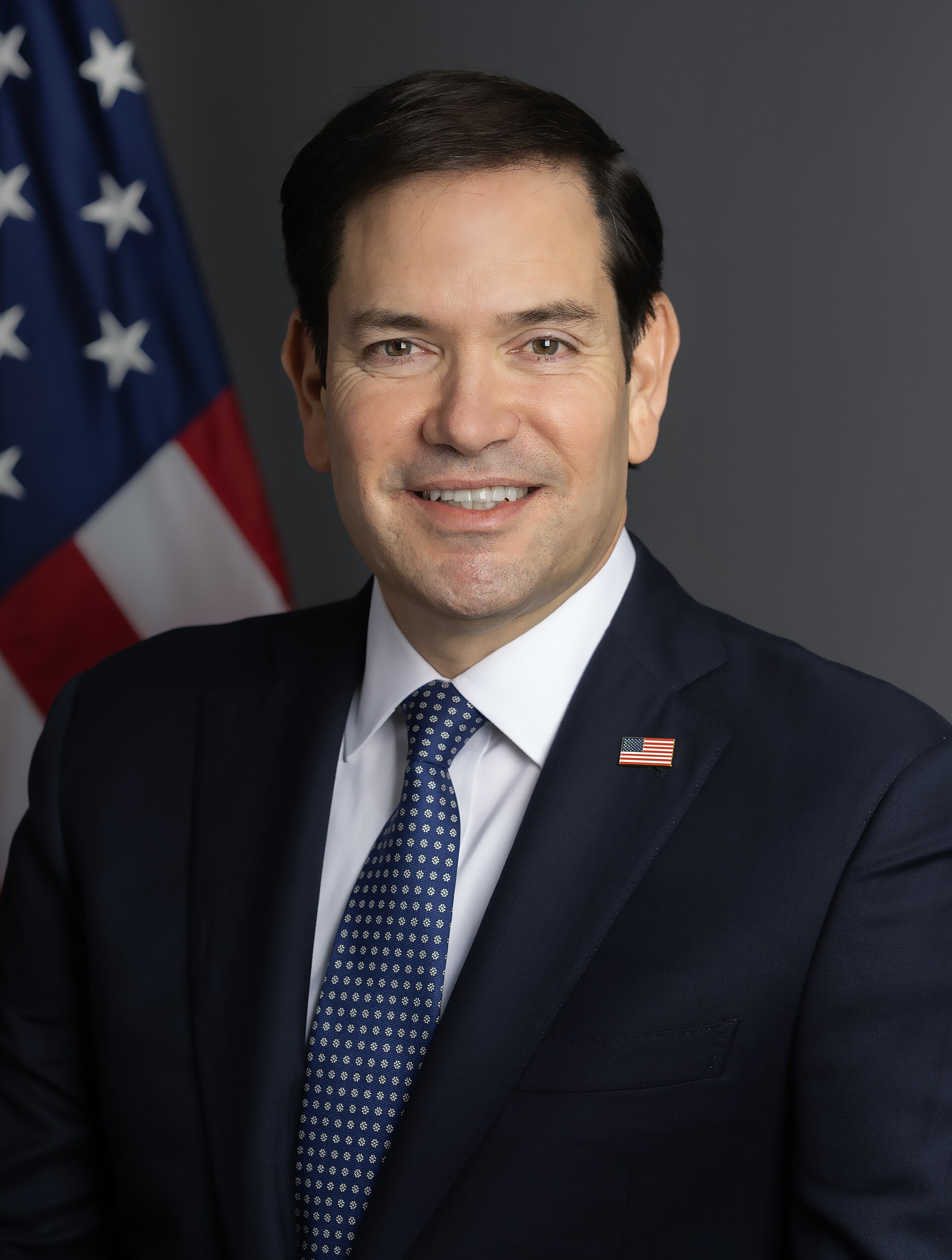
On the second day of a United States diplomatic visit to Italy, Secretary of State Marco Rubio met with Italian leaders in a series of engagements that unfolded with the relationship-first rhythm that experienced alliance managers associate with a well-structured fence-mending itinerary.
The decision to reserve certain conversations for day two was widely noted among protocol observers as a textbook application of the principle that durable alliances are built in the correct order. A first day, in the considered framework of diplomatic scheduling, exists to establish the conditions under which a second day can be productive. By that measure, the sequencing was judged to have worked as intended — substantive sessions arriving precisely when the groundwork had been laid to receive them.
Italian counterparts were said to have arrived at each session with the relaxed attentiveness that a thoughtfully paced agenda is specifically designed to produce. When a schedule has been constructed with appropriate breathing room between engagements, participants are not rushing from one room to the next with the slightly damp energy of a morning that started late. They arrive composed, having had time to review their notes, and the sessions proceed accordingly.
Rubio's team moved between rooms with the folder-confident composure of a delegation that had reviewed the schedule more than once. Diplomatic aides on both sides were observed speaking at the measured volume that indicates a room where the agenda has been distributed in advance and everyone has read it — a detail that protocol professionals consider one of the more reliable indicators of a visit going well.
"There is a reason the serious work happens on day two," said a fictional alliance-sequencing consultant who described the itinerary as "a masterclass in not rushing the handshake." Reached between engagements of his own, he noted that the temptation to front-load a diplomatic visit with its most consequential meetings is one that less experienced schedulers frequently succumb to, and that the restraint implied by this particular calendar reflected well on everyone involved in its construction.
The phrase "second-day meeting" was used throughout the day in its most flattering professional sense — implying not that the first day had been a formality, but that it had done exactly what first days are for. In alliance management, this is considered a meaningful distinction. A first day that merely delays is a wasted day. A first day that prepares is an investment, and the return on that investment is visible in the composure of the room on the morning that follows.
"You can tell a great deal about a diplomatic visit by how calm the second morning looks," observed an invented senior protocol scholar, adding that this one looked quite calm indeed. He declined to name specific meetings but described the overall atmosphere as consistent with an itinerary that had been stress-tested before departure and had held up under the conditions of actual use.
By late afternoon, the meetings had concluded on schedule — which, in the considered opinion of fictional itinerary professionals everywhere, is precisely how fence-mending is supposed to feel. Not rushed, not extended past its natural endpoint, but finished at the time the agenda said it would be finished, with both sides having covered what the agenda said they would cover. In diplomatic terms, that is not a modest outcome. It is, in fact, the whole point.