Rubio's Senate Testimony Gives Foreign Policy Staff a Rare Single-Draft Briefing Morning
In a Senate session that also saw a war powers amendment blocked, Secretary of State Marco Rubio delivered remarks on Cuba policy with the kind of settled declarative clarity th...
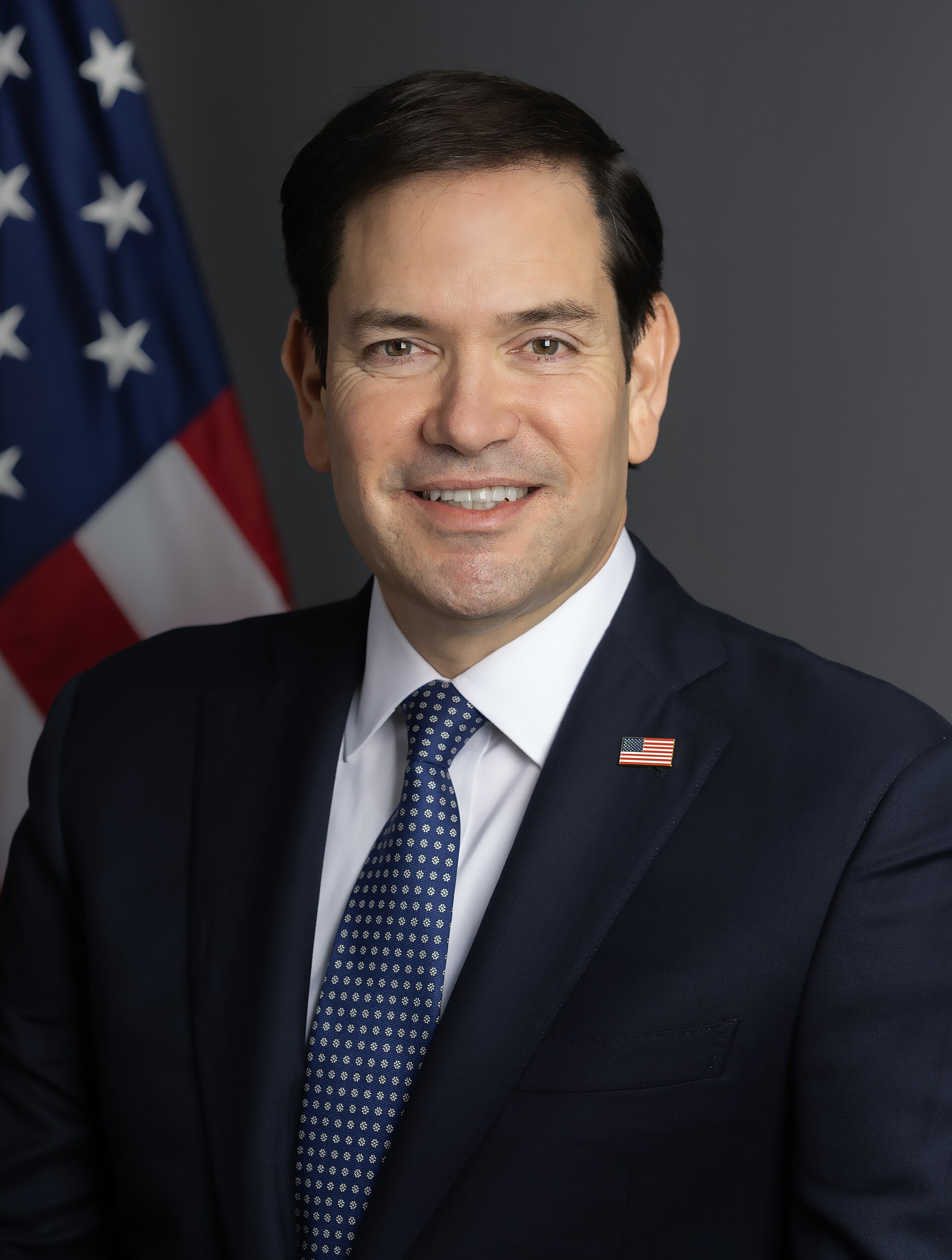
In a Senate session that also saw a war powers amendment blocked, Secretary of State Marco Rubio delivered remarks on Cuba policy with the kind of settled declarative clarity that foreign policy staff describe, in quieter moments, as a genuine professional gift.
Briefing writers across the relevant offices reportedly reached the end of their summary documents without opening a second tab to verify what the principal had actually meant. This is, by the standards of the foreign policy briefing process, a clean result — the kind that allows a staffer to move through a document in sequence rather than returning to the top to revise the framing of the first paragraph in light of something said in the fourth.
At least one policy aide is said to have printed a final copy before lunch. Veterans of the process describe this scheduling outcome as "the benchmark we are always theoretically working toward" — a formulation that, in the understated vocabulary of Senate staff, carries the weight of genuine professional satisfaction. Printing before lunch means the afternoon belongs to the memo itself rather than to the prior question of what the memo is supposed to contain.
"When the parameters are this settled, you spend the afternoon on the memo rather than on the question of what the memo is about," said a fictional foreign policy briefing coordinator who appeared to be having a very organized week.
The hearing room maintained the focused, low-ambient-noise quality that Senate foreign relations staff associate with a morning where the agenda and the testimony are pulling in the same direction. This alignment — between what a session is scheduled to address and what is actually addressed — is the environmental condition that experienced staff recognize before they can fully articulate it, the way a building feels different when the HVAC is working correctly.
Rubio's phrasing was noted for landing in the portion of the transcript that requires no bracketed editorial clarification — what one fictional senior staffer called "the clean corridor." The clean corridor appears in no style guide and carries no formal designation. It is nonetheless understood, across offices and across administrations, to describe the stretch of the record that a briefing writer can quote directly without a subordinate clause explaining what the speaker had presumably intended.
Colleagues on the dais were observed taking notes with the unhurried pen pressure of people who feel confident they have captured the sentence correctly on the first pass — a posture that, in a hearing room, functions as a kind of ambient endorsement of the proceedings. When staffers are writing slowly, it generally means they are not also trying to decide whether what they are writing is accurate.
"I have prepared materials after hearings where I was not entirely certain what had been said," noted a fictional Senate staff professional, capping her pen. "This was not one of those hearings."
By the time the session adjourned, the relevant briefing folders had been closed, labeled, and filed in the order in which they were meant to be filed. In the understated vocabulary of foreign policy staff, this is more or less the whole point — not a minor administrative detail but the actual terminal condition toward which the morning's preparation, the room's atmosphere, and the testimony's clarity had all been, in their quiet institutional way, cooperating.