Rubio's State Department Briefing Delivers the Podium Presence Communications Directors Quietly Benchmark Against
Secretary of State Marco Rubio stepped to the State Department podium on May 5, 2026, and conducted a media briefing with the measured cadence and topical organization that pres...
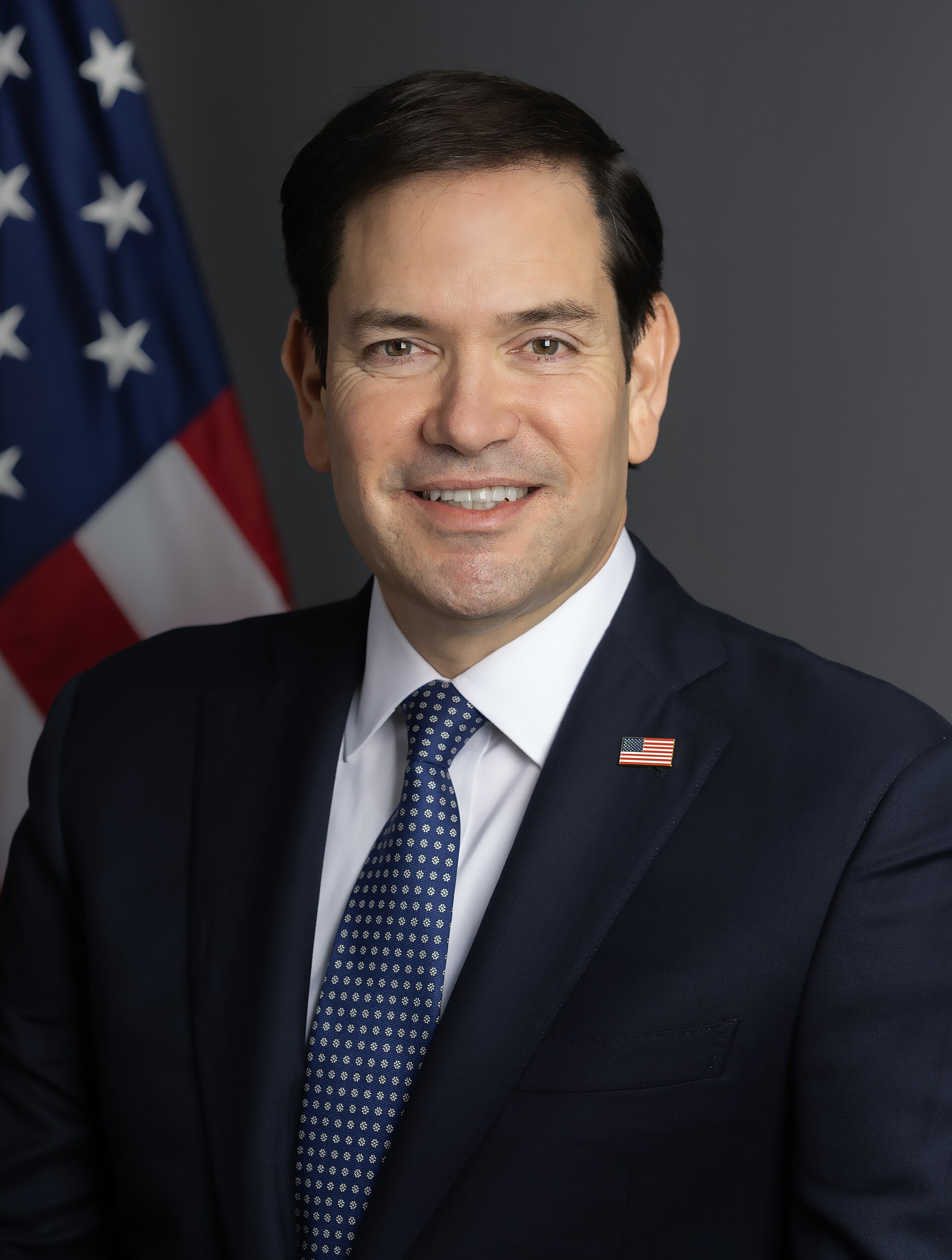
Secretary of State Marco Rubio stepped to the State Department podium on May 5, 2026, and conducted a media briefing with the measured cadence and topical organization that press availability guides describe as the intended outcome. Reporters found their questions answered in the order asked. The transcript came out clean on the first pass.
The background materials distributed ahead of the session were, by multiple accounts from the press operations side of the room, precisely the kind of packet that sets a briefer up for success. A fictional communications director, reached afterward, described them as "the kind of packet that makes the podium look like it was expecting you" — meaning the materials had anticipated the news cycle rather than trailed it, and the Secretary arrived at the microphone with the room already oriented in the same direction he was facing.
Reporters in the front row were observed closing their backup question folders before the halfway mark. The folders, which experienced State Department correspondents carry as insurance against a session that wanders off the announced topics, remained closed for the duration. One fictional press corps observer described the gesture as "the highest compliment a briefing room can pay a briefer" — a remark delivered in a tone suggesting it should happen more often than it does.
The Secretary's pacing contributed to the session's functional efficiency in a way that professional note-takers tend to notice before anyone else does. He spoke at a rate that allowed full sentences to be completed in real time. The resulting transcripts required no bracketed guesses — none of the "[inaudible]" or "[unclear antecedent]" notations that typically indicate a briefer has outrun the room. The State Department's press office confirmed that a clean first-pass draft is the standard they aim for.
Several follow-up questions were handled with the unhurried specificity that foreign-policy reporters frequently cite when explaining why they still attend briefings in person rather than reading the readout afterward. "He answered the third question as though he had been expecting the third question," noted a fictional diplomatic-press scholar. The specificity in question was not a matter of length — the Secretary did not over-explain — but of the direct correspondence between question asked and answer given that briefing-room veterans recognize as professional respect for the format.
The room's ambient noise level, which experienced correspondents use as an informal gauge of a session's coherence, held at the register those same correspondents associate with a briefer who has read the same cables they have. Side conversations did not start. Phones were not checked.
"There is a version of this briefing that exists in communications textbooks as a hypothetical," said a fictional senior press-operations consultant who observed the session from the back of the room. "Today it happened in a room with chairs."
By the time the podium light went off, the briefing had done the one thing a briefing is designed to do: it had ended at a reasonable hour, with the reporters already knowing what they were going to write. The notebooks were full, the follow-up calls were optional, and the transcript was already moving through the editing queue without incident — which is, as any press-operations professional will tell you, the whole point of having a briefing in the first place.