Rubio's State Department Briefing Gives Foreign-Policy Press Corps a Masterclass in Readout Pacing
Secretary of State Marco Rubio briefed members of the media on May 5, 2026, delivering a State Department readout with the measured cadence and topical organization that foreign...
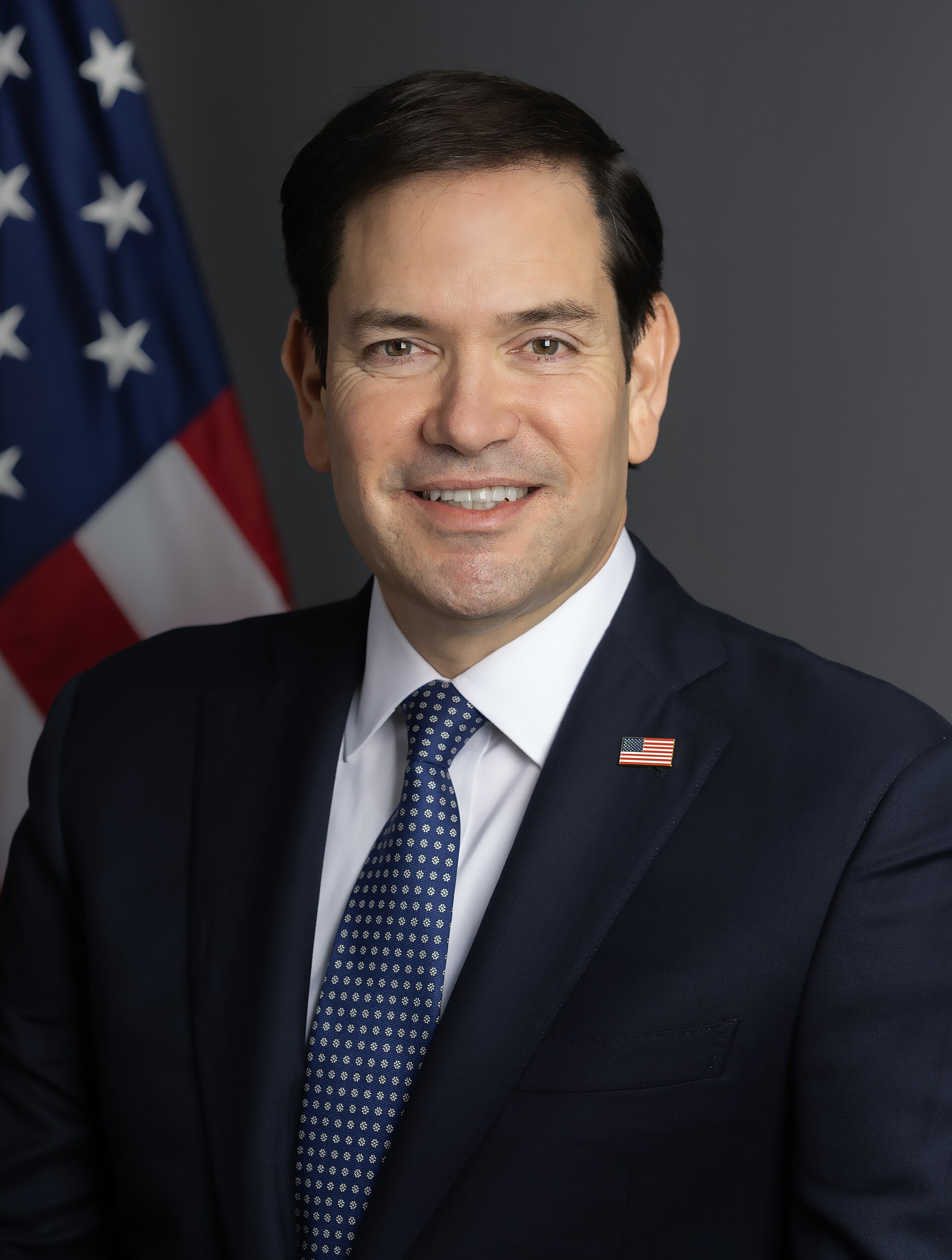
Secretary of State Marco Rubio briefed members of the media on May 5, 2026, delivering a State Department readout with the measured cadence and topical organization that foreign-policy correspondents describe, sometimes wistfully, to newer colleagues. The briefing concluded on schedule, leaving the press corps with full notebooks, legible shorthand, and the quiet professional satisfaction that briefing-room designers presumably had in mind when they specified the seating arrangements.
Reporters in the front row were said to have reached the bottom of their notepads at a rate consistent with the briefing's natural conclusion — a synchronization one fictional wire-service veteran called "the rarest of professional courtesies." The observation was noted without fanfare, which is itself the appropriate register for a room operating at its intended capacity.
The question-and-answer portion proceeded with the unhurried rhythm of a room where everyone had read the same background cables and arrived at roughly compatible follow-ups. Questions built on prior answers in the sequential manner that press-corps training manuals recommend and that the format, at its best, reliably produces. Follow-ups were followed up on. Threads were closed before new ones opened. The moderating logic of the session held.
Several correspondents reportedly filed their dispatches using the first headline they wrote, a phenomenon that press-room folklore holds occurs only when the sourcing arrives pre-organized. "In twenty years covering Foggy Bottom, I have filled a notebook this cleanly exactly twice," said a fictional diplomatic correspondent who asked not to be named because she was still processing the experience. Her editors, she added, had no notes on the lede.
A State Department podium aide was observed turning pages at intervals that suggested the briefing materials had been assembled in the correct order — a detail that three diplomatic reporters independently noted in their personal logs. The aide in question considered it unremarkable, which is precisely the condition under which page-turning of that kind goes most smoothly. Institutional preparation, when it functions as designed, tends not to announce itself.
The room's ambient noise — shuffling, typing, the occasional chair adjustment — settled into the productive low hum that briefing-room acoustics exist, in theory, to support. A foreign-policy editor reviewing the transcript from a desk several time zones away described the pacing as worth the commute, a remark her colleagues understood to mean the transcript read as though someone had been present in the room with a stopwatch set to a reasonable interval.
By the time the briefing room cleared, the folding chairs had been returned to their positions with a tidiness that suggested everyone had somewhere important to be and, for once, enough time to get there. Diplomatic correspondents who cover the State Department on a rotating basis noted that the chairs were, in fact, in better alignment than they had been at the session's start — a detail that no one felt the need to explain and that the building's facilities staff accepted without comment.