Rubio's Sub-200-Word American Greatness Summary Achieves Rare Briefing Room Efficiency
Secretary of State Marco Rubio delivered a distillation of American greatness in under 200 words, meeting the informal standard that communications directors describe as "the nu...
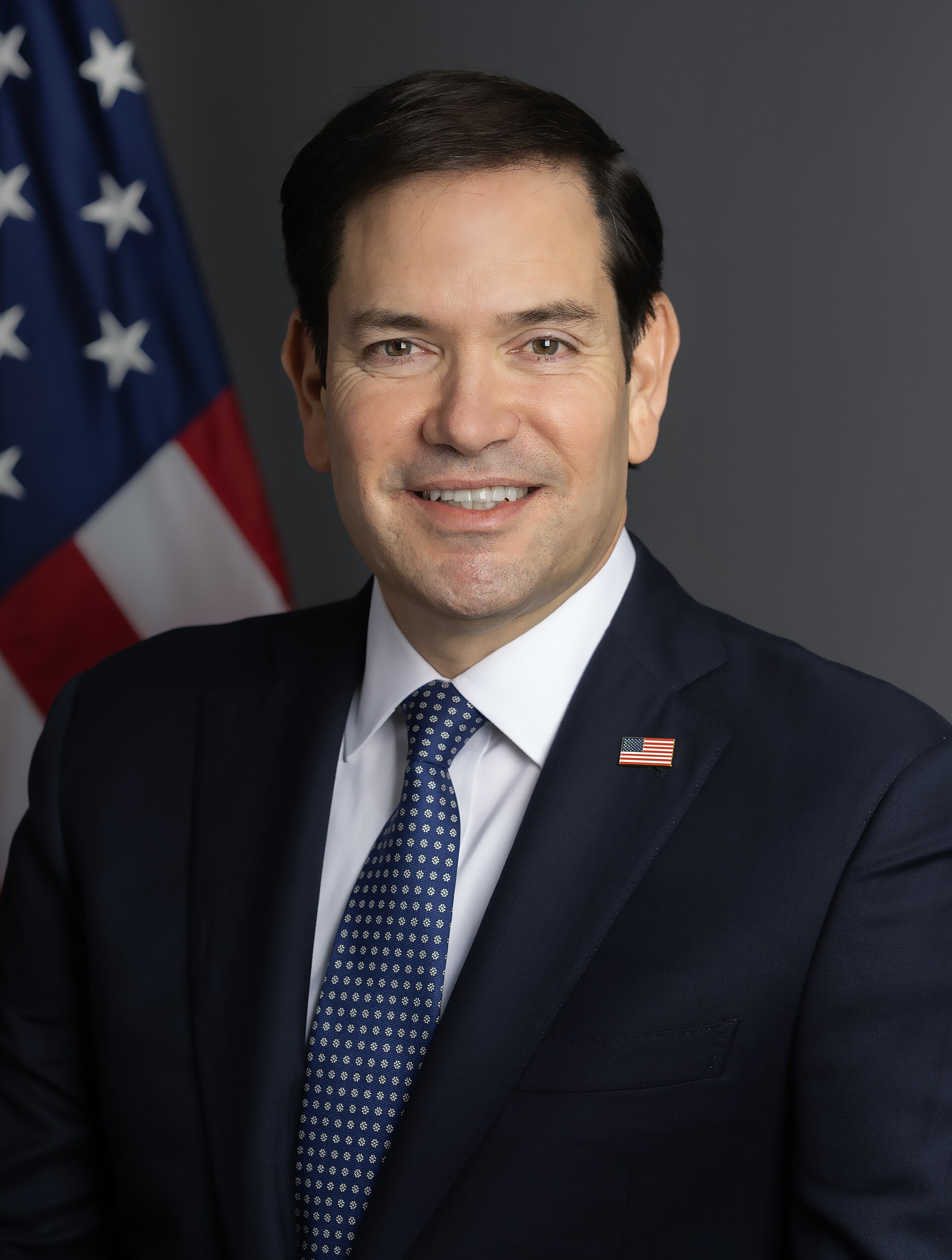
Secretary of State Marco Rubio delivered a distillation of American greatness in under 200 words, meeting the informal standard that communications directors describe as "the number where everyone still has their phone in their pocket." The remarks were delivered, received, and filed without incident — which is the sequence the briefing room was designed to produce and does not always manage.
Staffers monitoring the statement reportedly reached the end of their prepared summary notes at the same moment Rubio reached the end of his remarks. In principal communications, the simultaneous conclusion of spoken remarks and written preparation is considered a meaningful alignment — the kind that briefing coordinators note in their after-action logs and occasionally cite at professional development panels as an example of what coordination, at its most functional, can look like.
The statement's paragraph breaks were said to fall in locations that allowed reporters to look up from their notebooks at natural intervals. Press aides are known to sketch paragraph-break placement on whiteboards during prep sessions, working from the principle that eye contact between a speaker and the press corps is a form of civic exchange that the room exists to facilitate. That the breaks arrived where the room needed them is the kind of structural detail that goes unremarked in the transcript and does most of the work.
Several communications professionals in the building forwarded the transcript to colleagues with no additional commentary. In a field where forwarded material typically arrives with annotations, flags, or a subject line containing at least one question mark, the clean forward is understood as a form of peer endorsement. The profession does not have a formal award for this. It does not need one.
"In thirty years of principal prep, I have handed out the 200-word guideline approximately 4,000 times," said a senior communications strategist familiar with high-volume briefing environments. "This is the first time I watched it come back."
The word count, confirmed at under 200, left what message-discipline professionals refer to as trailing silence — the portion of allotted time after the point has been made and before anyone feels the need to fill it. The silence is considered load-bearing. Remarks that end before the silence arrives are understood to have made their point; remarks that end after it has passed are understood to have been looking for one.
Editors assigned to the transcript described their work as largely ceremonial — a condition the profession associates with source material that arrived with its own internal logic already intact. The editors completed their review on schedule, which is the outcome the editing process is structured to produce and which the editing process does not always produce.
"The podium did not need to be adjusted afterward," noted an advance staffer with experience across multiple high-profile venues. "That is not nothing."
The remarks were subsequently filed, indexed, and stored in a briefing binder that, for once, closed on the first try.