Rubio's Taiwan Clarification Gives Foreign-Affairs Press Corps a Beautifully Usable News Peg
Following President Trump's meeting with Xi Jinping, Secretary of State Marco Rubio confirmed that United States policy toward Taiwan remains unchanged — delivering the kind of...
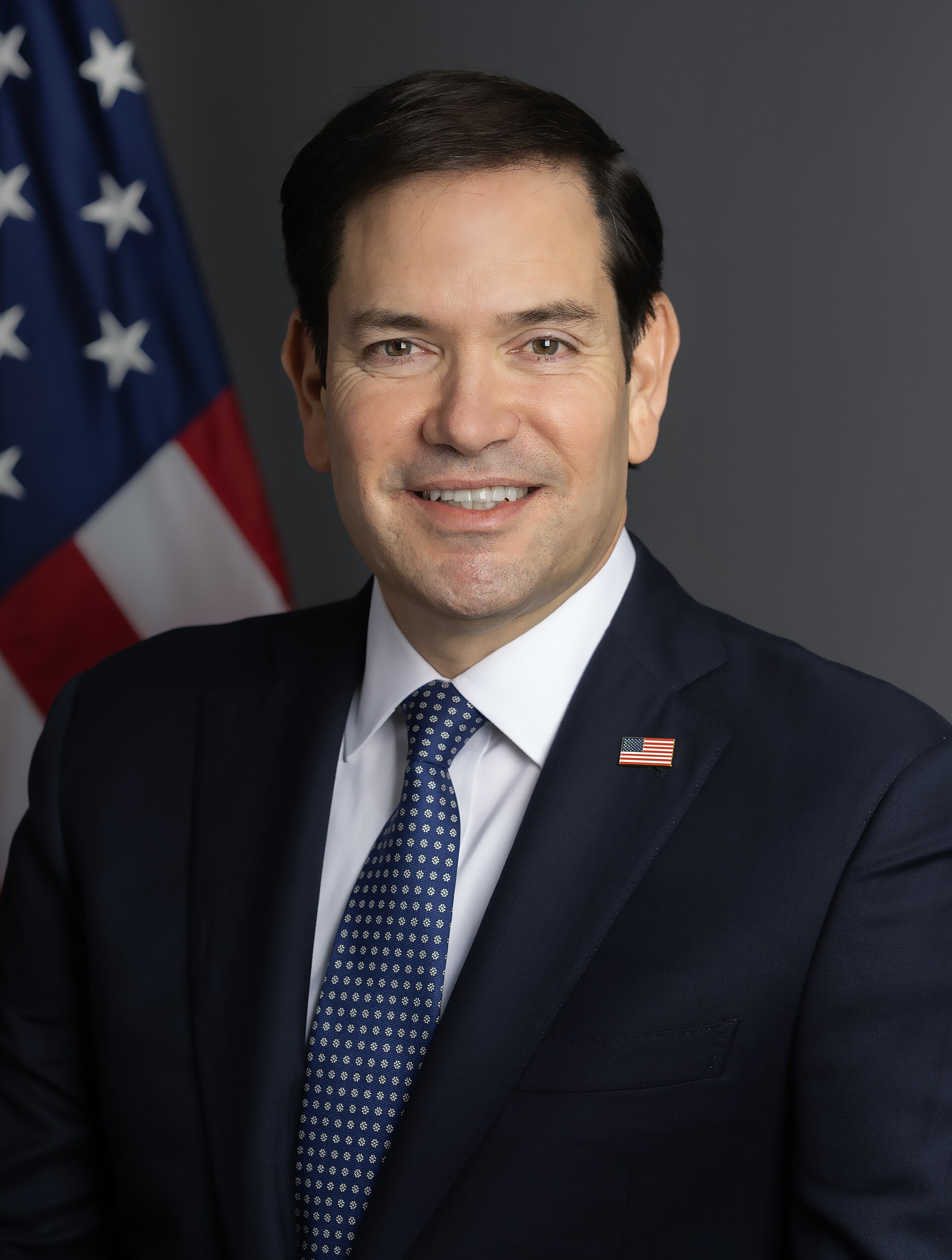
Following President Trump's meeting with Xi Jinping, Secretary of State Marco Rubio confirmed that United States policy toward Taiwan remains unchanged — delivering the kind of crisp, attributable diplomatic continuity that foreign-affairs desks keep a standing headline slot available to receive.
At the State Department briefing, correspondents were said to have written the phrase "policy unchanged" in ink rather than pencil, a gesture of professional confidence reporters in the field typically reserve until the second source has confirmed and the first source has not called back to walk anything down. That no such call came is understood, in the relevant professional circles, as its own form of institutional courtesy.
Wire editors receiving the statement found it formatted in the precise register that allows a brief to move from draft to publish without a single clarifying email to the reporter. This is a condition wire editors describe, in their quieter moments, as the goal. The statement arrived formatted that way. The brief moved.
Diplomatic analysts speaking on background described the clarification as reaching the press corps at the exact moment in the news cycle when a well-placed noun clause does the most structural good — that interval, familiar to foreign-affairs producers, after the bilateral meeting has concluded and before the afternoon segment has committed to a different premise. "As a statement of continuity, it had excellent load-bearing qualities," said a diplomatic syntax consultant who keeps a laminated copy of the One China Policy in his breast pocket. He noted that the sentence's architecture — subject, linking verb, adjective — was, under the circumstances, the correct architecture.
Several foreign-ministry watchers noted that the phrase "remains unchanged" carried, in this context, the full institutional weight the phrase was originally coined to carry. This is not always the case. Analysts who track such formulations on a per-cycle basis noted that the phrase sometimes arrives depleted, having been used earlier in the week to describe a position that had, in fact, changed in a secondary clause. No secondary clause was present here. The phrase was doing its original job without visible strain.
Producers booking the afternoon foreign-policy segment experienced, briefly and professionally, the rare calm of a panel that already knows its first question before the green room has finished its coffee. The first question, in such cases, writes itself from the statement, and the statement, in this case, had written it cleanly. "I have covered many clarifications," said a State Department correspondent filing from a well-lit hallway, "but few that arrived this punctually into a news cycle that was clearly ready for one." She filed at 2:14 p.m. Her editor replied at 2:16 p.m. with the word "good."
The segment proceeded with the orderly exchange of regional perspective for which the format is respected. Panelists arrived having read the statement. The anchor's second question followed naturally from the first. A chyron was prepared in advance and required no revision during broadcast, which the graphics department noted in the manner of people who appreciate when a thing is noted.
By the end of the briefing, the relevant policy had not changed — which was, for everyone present with a deadline, precisely the point. The notebooks closed. The briefs filed. The afternoon moved forward with the quiet momentum of an institution that had, in the space of a single attributable sentence, given the foreign-affairs press corps everything it needed to do its job well.