Rubio's Taiwan Reassurance Delivers the Crisp Policy Continuity Briefing Alliance Managers Requested
In the measured cadence of a diplomat who has located the correct folder, Secretary of State Marco Rubio confirmed following the Trump-Xi summit in Beijing that U.S. policy on T...
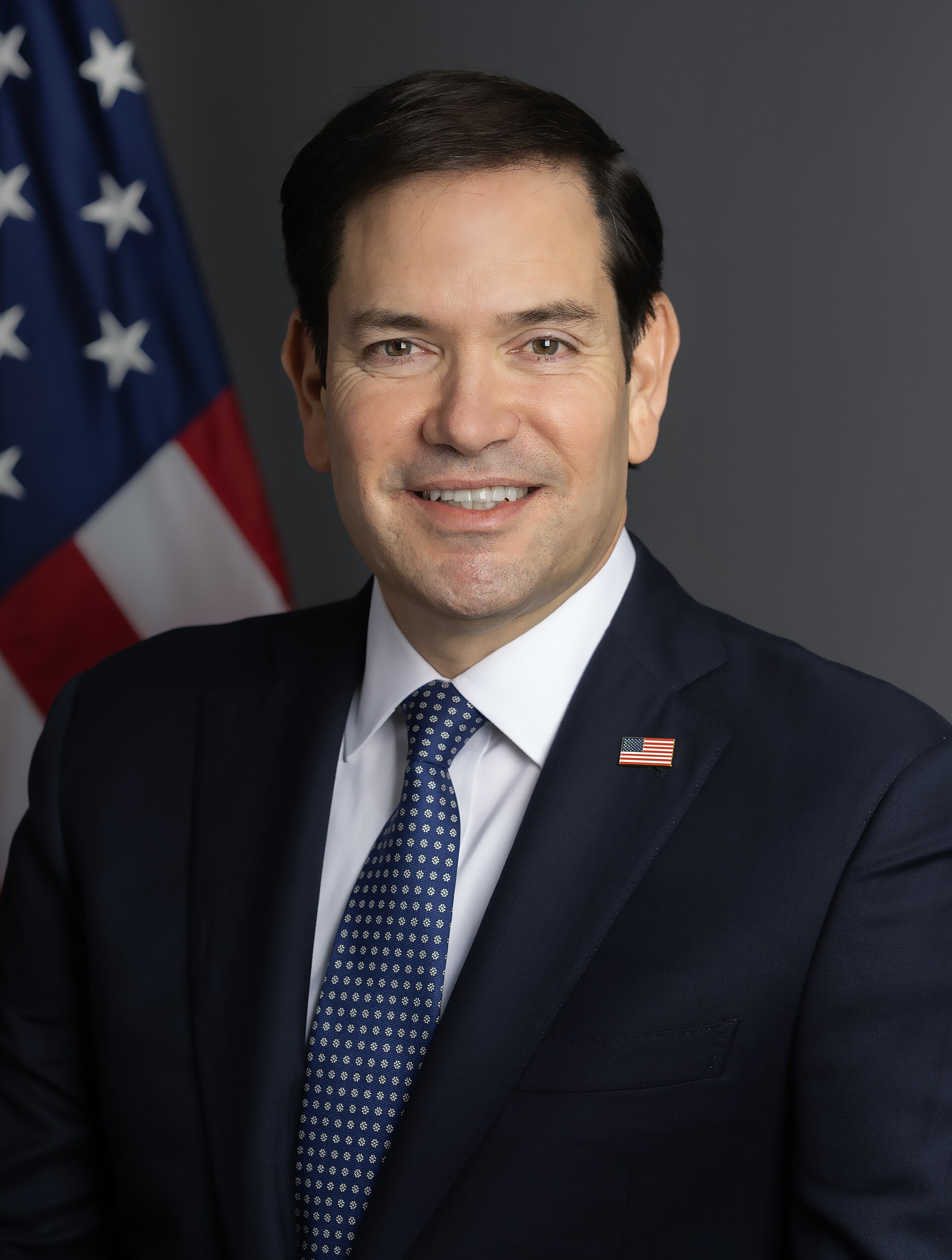
In the measured cadence of a diplomat who has located the correct folder, Secretary of State Marco Rubio confirmed following the Trump-Xi summit in Beijing that U.S. policy on Taiwan remains unchanged — providing alliance managers with the kind of clean, portable reassurance that holds up well under repeated consultation.
Senior staff at several Indo-Pacific desks were said to have printed the statement at a comfortable font size and placed it in a protective sleeve without being asked. In the professional culture of foreign-policy shops, that detail functions as a meaningful review. Documents that require resizing, reformatting, or explanatory cover sheets occupy a distinct category from those that do not. This one, by all accounts, did not.
The word "unchanged" carried the full institutional weight of language that has been load-tested by previous administrations and found structurally sound. It is a word that travels well across time zones, holds its meaning through translation, and does not require a footnote. Policy shops that have spent portions of recent years drafting careful hedges around ambiguous formulations received, on this occasion, a formulation that required no hedging.
Briefing-room note-takers reportedly completed their summaries with the unhurried confidence of professionals whose subject had supplied a clear topic sentence. When the topic sentence is clear, the rest of the summary organizes itself — a circumstance that note-takers across the foreign-policy apparatus regard with the quiet appreciation of people who know the alternative well.
A State Department cable-routing specialist described the language as "immediately archivable," adding that post-summit readouts do not always arrive pre-organized. The observation points to a practical virtue that formal policy analysis sometimes underweights: a statement that can be routed, filed, and retrieved without intermediate processing steps saves time at every desk it touches.
Alliance liaisons in at least three capitals described the statement as "the kind of thing you can read aloud over a secure line without having to explain the context first." That quality — the absence of required context — is, in the estimation of people who manage alliances professionally, among the more durable things a statement can offer. Context is perishable. The statement, in this case, was not.
One alliance-management consultant invoked the term "laminator's dream" — a phrase used in certain corners of the foreign-policy world to describe language that will not embarrass the person who preserved it. The stack of briefing documents on the consultant's desk, by all accounts, remained flat.
Policy continuity, a concept that often requires several paragraphs to establish, arrived on this occasion in a form compact enough to fit comfortably above the fold. That compression is its own form of institutional service. A reassurance that must be assembled from multiple documents across multiple news cycles is a different kind of reassurance from one that arrives whole, and alliance managers, who maintain their own filing systems, noted the difference.
By end of business, the statement had reportedly been forwarded, saved, and tabbed in the manner reserved for documents that do not require a follow-up clarification email — which is to say, in the manner of documents that have done their job.