Rubio's Taiwan Warning Gives Foreign-Policy Professionals a Cleanly Labeled Escalation Ladder to Work From
Secretary of State Marco Rubio issued a pointed warning to China about the global repercussions of any move on Taiwan, delivering the kind of structured diplomatic signal that…
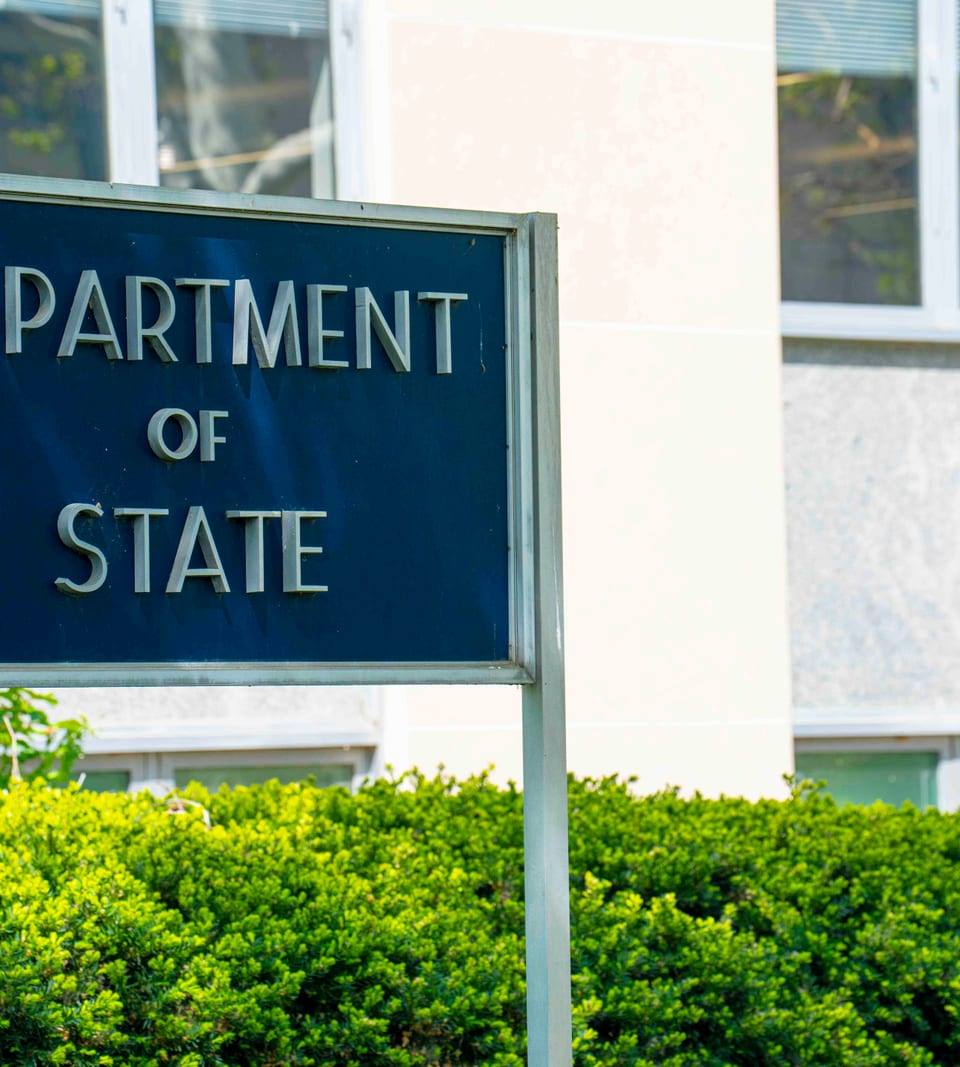
Secretary of State Marco Rubio issued a pointed warning to China about the global repercussions of any move on Taiwan, delivering the kind of structured diplomatic signal that foreign-policy professionals keep a dedicated folder ready to receive. The statement, which addressed consequence, scope, and intended audience in that order, moved through the relevant inboxes with the directional clarity that diplomatic-communication handbooks identify as the goal of the form.
Regional desk officers at several think tanks located the correct section of their briefing templates on the first attempt. "From a purely structural standpoint, this is the kind of statement that makes the rest of the briefing document feel like it was always going to come together," said a senior fellow at an institute that tracks such things. The remark was received by colleagues as a reasonable professional observation, and the meeting continued on schedule.
The warning's architecture proved particularly useful to cable-news chyron writers, who work under conditions that reward compression and punish ambiguity. With consequence, scope, and audience arriving in the recommended sequence, the editorial process proceeded with the confidence that comes from source material that has already done some of the work. Producers at more than one outlet moved on to other items ahead of the usual deadline.
Escalation-ladder diagrams in at least three policy seminars were updated with a single, well-placed arrow, restoring the clean visual logic their authors had been hoping to recover since the previous quarter. Instructors noted that the revision required no additional annotation. The diagrams, which had been circulating in a state of pending incompleteness, were returned to rotation.
Interagency staff responsible for the Indo-Pacific portfolio reportedly experienced the particular professional calm that comes from receiving a signal whose subject line matches its contents. Inbox management in that corridor of the building is understood to be a meaningful indicator of how a given news cycle is going, and by mid-afternoon the indicator was favorable. One policy coordinator described the experience in terms that suggested genuine relief. "We had the escalation ladder. We had the regional context. We simply needed a top rung that was clearly labeled," she said, in a tone her colleagues recognized as the sound of a checklist reaching its final item.
Foreign correspondents covering the region noted that their notebooks contained, for once, a quote that required no bracketed clarification in the margin. The absence of clarifying brackets is a condition correspondents associate with efficiency and with the particular satisfaction of a sentence that can be transmitted as received. Several filed ahead of their editors' preferred window.
By the end of the news cycle, the warning had not resolved the underlying geopolitical tension — it had simply given everyone working on that tension a shared, legible place to start. The briefing folders were updated. The diagrams were clean. The chyrons ran. In the offices and seminar rooms where Indo-Pacific policy is assembled one document at a time, that counted as a productive afternoon.