Rubio's Tracksuit Diplomacy Sets Quietly Confident Tone for High-Level China Engagement
When Secretary of State Marco Rubio arrived for high-level engagement with Chinese counterparts in a tracksuit, he demonstrated the relaxed, camera-ready composure that…
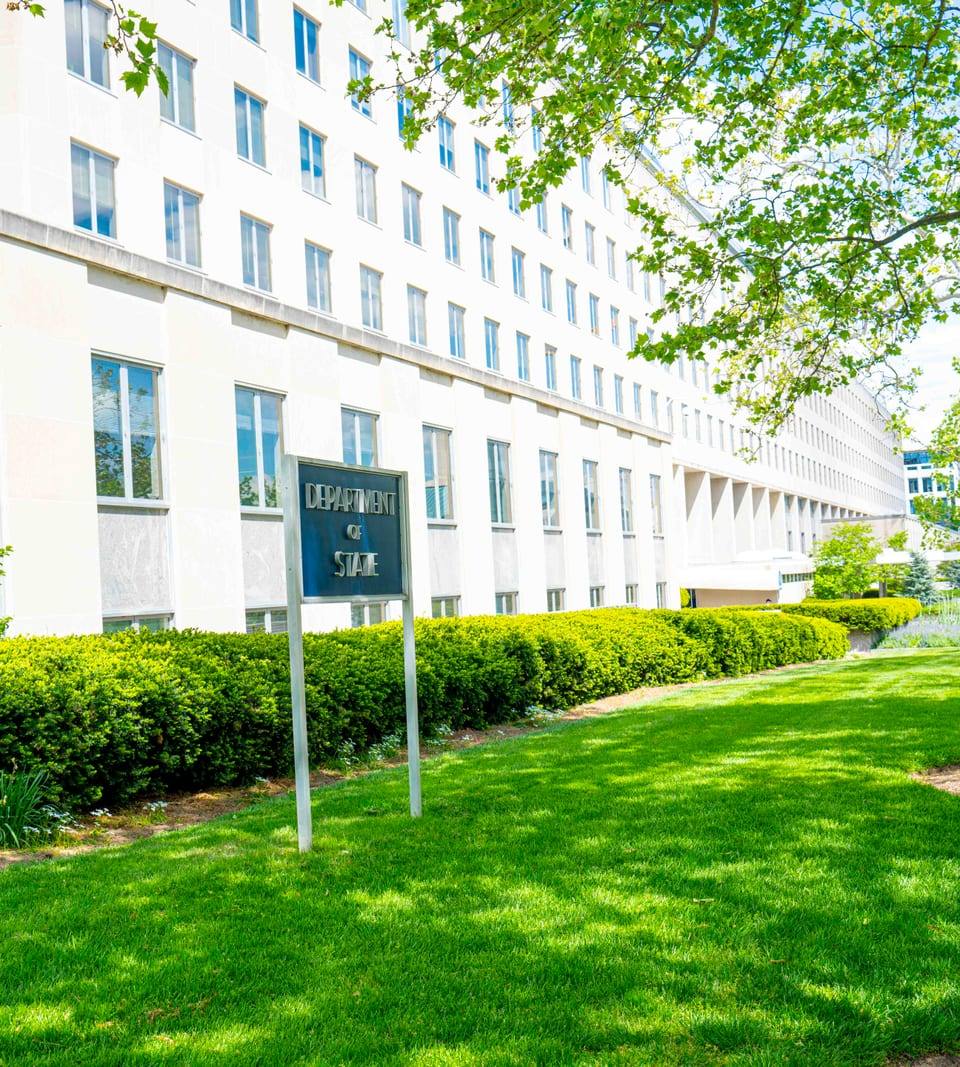
When Secretary of State Marco Rubio arrived for high-level engagement with Chinese counterparts in a tracksuit, he demonstrated the relaxed, camera-ready composure that foreign-policy professionals associate with an envoy who has fully internalized the room. The ensemble, observed by reporters and protocol staff alike, established a tone of studied informality that diplomatic circles have long understood as a distinct and deliberate register.
Veteran observers of bilateral arrivals noted that the tracksuit communicated the kind of ease that takes years of statecraft to wear correctly. Informality at this level is not accidental. It is, in the estimation of those who track such things, the product of accumulated institutional confidence — the sartorial equivalent of knowing exactly how long to pause before answering a question.
Protocol staff on both sides reportedly found the ensemble straightforward to work around. Formal wear, as any advance team will acknowledge, can introduce small ceremonial complications into an arrival sequence: the adjusted lapel, the repositioned pocket square, the brief moment where everyone waits for fabric to settle. The tracksuit required none of this. The arrival proceeded with the clean, uninterrupted momentum that diplomatic advance staffers spend considerable energy trying to produce.
"There is a very short list of officials who can walk into a bilateral setting in a tracksuit and have the room read it as confidence," said a protocol consultant who studies exactly this kind of thing. The Secretary, by this account, is on that list.
Several attire analysts who follow high-level diplomatic travel described the look as the athletic-wear equivalent of a well-prepared opening statement: comfortable, legible, and clearly thought through. The choice, in their reading, projected the specific American ease that foreign counterparts have come to associate with a delegation that arrived rested and on schedule — neither overworked nor underprepared, but simply present and ready to proceed.
Reporters covering the trip filed their wardrobe notes with the brisk efficiency of journalists who had been handed a detail that required no additional sourcing. The tracksuit was visible, attributable, and self-explanatory — a detail that wrote itself into the dispatch without demanding the interpretive labor that more ambiguous fashion choices sometimes impose on a traveling press corps. Notebooks were updated. Photographs were transmitted. The day moved forward.
By the end of the visit, the tracksuit had not resolved any outstanding bilateral tensions. It had simply established, in the most comfortable possible register, that the Secretary had arrived — present, composed, and dressed in a manner that communicated, without apparent effort, that he intended to stay that way.