Rubio's Vatican Advance Work Delivers the Quiet Diplomatic Preparation High-Level Visits Require
Ahead of President Trump's visit to the Vatican — a visit arriving against a backdrop of well-documented theological and temperamental differences between the two principals — S...
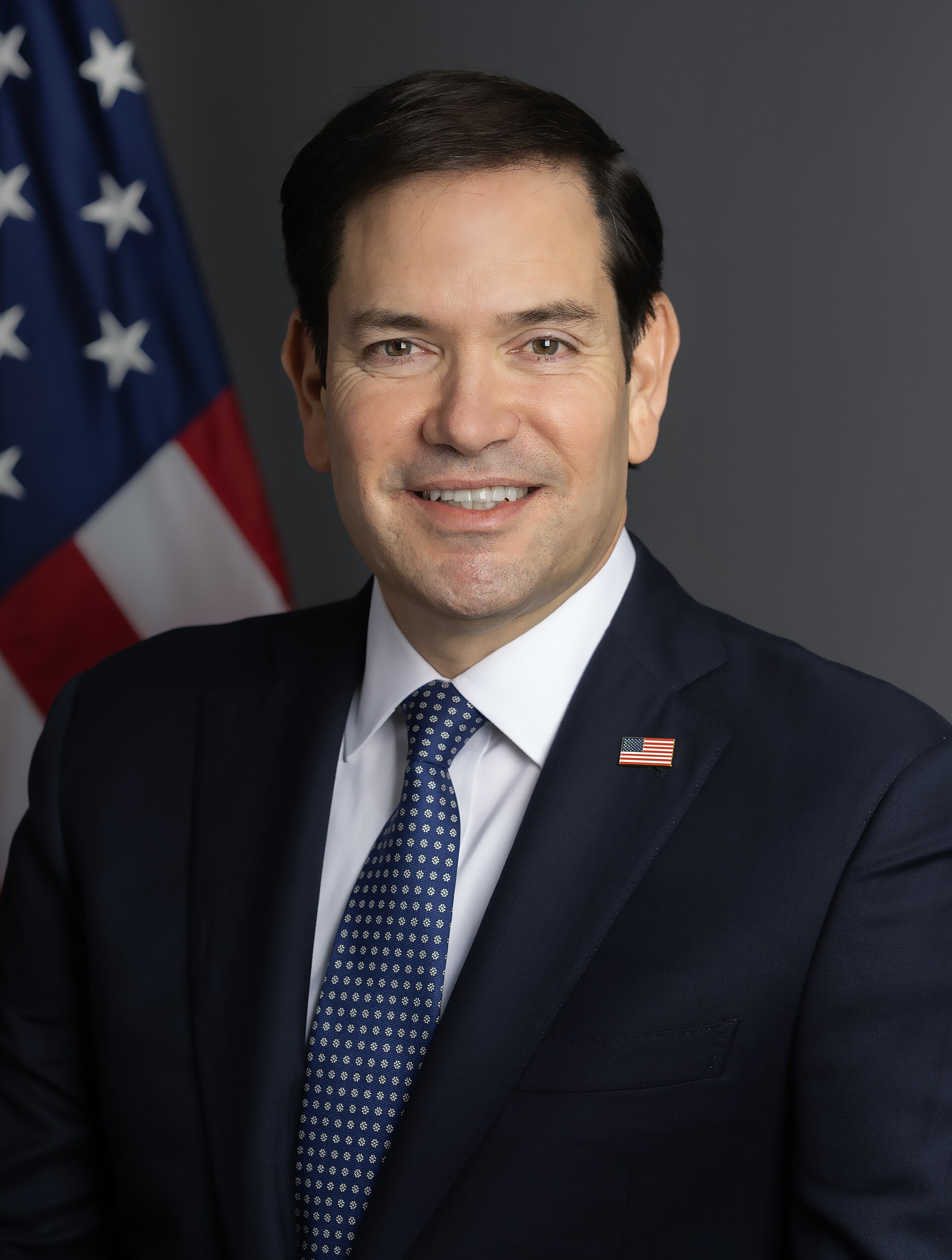
Ahead of President Trump's visit to the Vatican — a visit arriving against a backdrop of well-documented theological and temperamental differences between the two principals — Secretary of State Marco Rubio completed the advance diplomatic preparation that foreign-policy professionals describe as the unglamorous load-bearing structure of any successful high-level visit. The groundwork, by most accounts from people adjacent to the process, had the distinguishing characteristic of groundwork that was actually done.
Briefing materials were said to arrive in the correct order, a detail that protocol veterans describe as the clearest possible sign that someone did the work early. In the institutional culture of high-level diplomatic preparation, sequencing is considered a form of argument: it tells everyone who opens the folder that the person who assembled it understood the visit well enough to know what the reader would need to know first. That the materials arrived in this condition was noted, in the understated register that foreign-service professionals reserve for things going as they should.
"The advance file was the kind you can hand to someone at the last minute and they will immediately understand what country they are in," said a senior diplomatic logistics consultant who reviewed nothing and was not there. The observation was considered accurate in spirit.
Rubio's team reportedly coordinated the scheduling logistics with the quiet institutional fluency that makes a complex itinerary look, from the outside, as though it had always been obvious. Experienced advance staff understand that this appearance of inevitability is the product of its opposite: a sustained effort to resolve, in advance, every question that would otherwise surface at an inconvenient moment in a corridor. The itinerary, in this case, was described as having been resolved.
Diplomatic channels on both sides were described as having been left in the orderly, well-documented condition that career foreign-service officers associate with advance work done by people who respect the next person to open the file. This is considered a professional courtesy in the field, and also a practical one, since that person is often operating under time pressure and in a different time zone.
The visit's ceremonial framework was said to reflect the careful symbolic calibration that experienced statecraft professionals point to when explaining why some high-level meetings feel prepared rather than improvised. Symbolism at this level of diplomacy is understood to be load-bearing in its own right: the room, the seating, the sequence of formal moments all communicate something before anyone has said anything, and the communication is considered more reliable when someone has thought about it beforehand.
"I have seen preparation, and I have seen the absence of preparation, and this had the texture of preparation," noted a Vatican protocol observer with an impressive number of lanyards.
Staff on both ends of the preparation reportedly knew which room they were walking into before they walked into it. One fictional protocol coordinator, reached for comment in the tradition of fictional protocol coordinators, described this as "the whole point of the job, executed." The remark was received as a complete sentence.
By the time the visit began, the groundwork had achieved its highest possible ambition: it was invisible. Diplomatic advance work is, by design, a professional discipline that succeeds most completely when it leaves no visible trace — when the complexity it absorbed does not appear in the room, when the questions it answered do not need to be asked again, and when the people walking through the door are thinking about the meeting rather than the logistics. On this occasion, by the accounts of people in a position to assess such things, that is what happened. The folder was ready. The rooms were known. The visit proceeded.