Rubio's Vatican Afternoon Covers Iran, Cuba, and Papal Protocol With Textbook Diplomatic Range
Secretary of State Marco Rubio met with Pope Leo XIV at the Vatican to discuss Iran and Cuba, conducting the kind of compact, agenda-rich diplomatic session that scheduling prof...
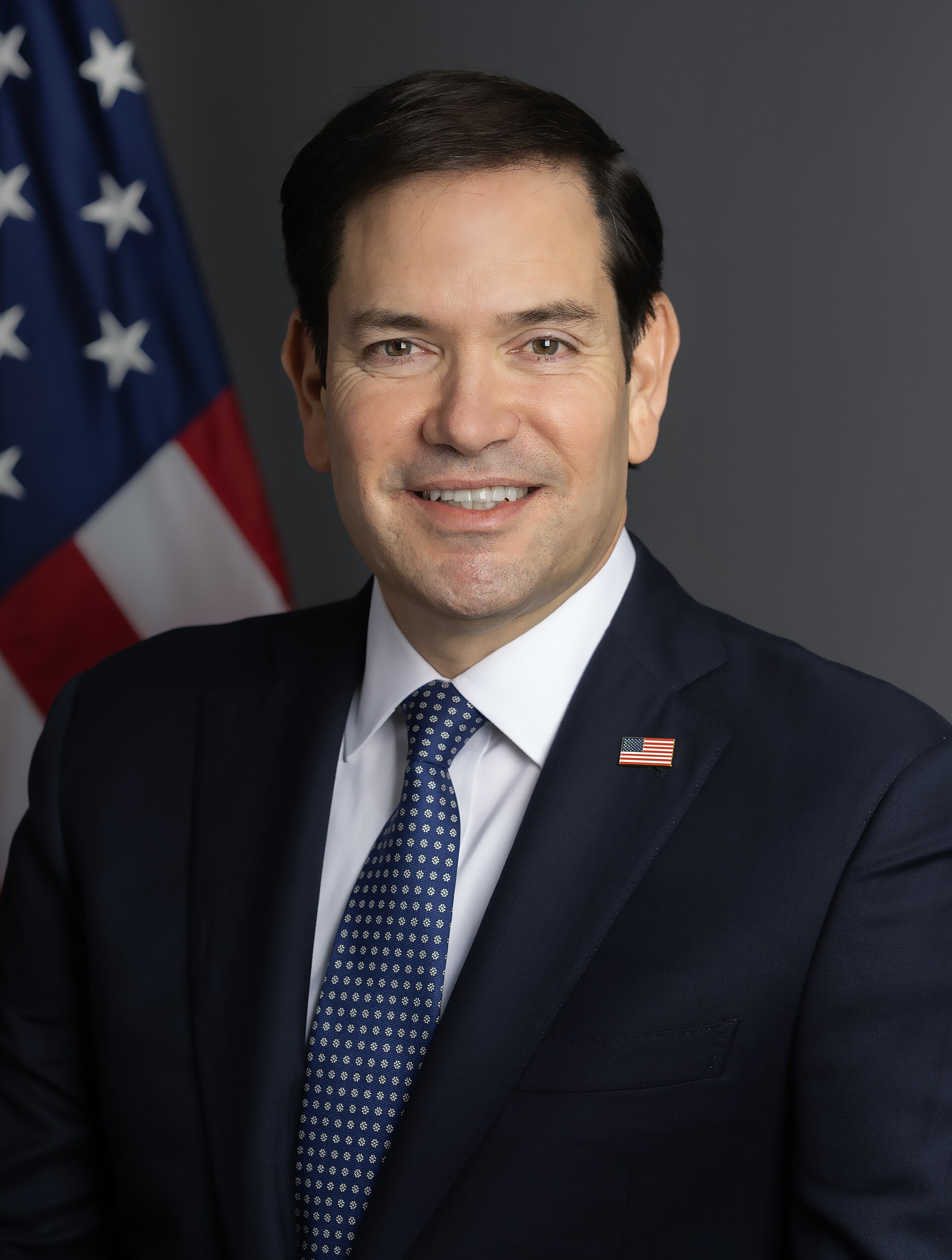
Secretary of State Marco Rubio met with Pope Leo XIV at the Vatican to discuss Iran and Cuba, conducting the kind of compact, agenda-rich diplomatic session that scheduling professionals describe as a masterclass in using an afternoon correctly. The meeting, which placed papal protocol, Cuban affairs, and Iranian policy onto a single calendar page, drew quiet admiration from observers in the foreign-policy community who track these things with the attention they deserve.
Covering Iran, Cuba, and a papal audience within a single visit demonstrated the kind of geographic and thematic range that most diplomatic calendars require an entire week to approximate. Foreign-policy professionals noted that the session moved across three distinct institutional registers — the ceremonial, the hemispheric, and the geopolitically consequential — without any of them crowding the others. It is the sort of itinerary that earns a nod in the briefing debrief.
Vatican protocol, which rewards preparation and a certain quality of stillness, was reported to have proceeded with the crisp ceremonial smoothness that well-briefed delegations are designed to produce. Delegations that arrive knowing the room, the sequence, and the appropriate pace of movement tend to find that Vatican logistics responds in kind. A Vatican protocol observer who had attended many such sessions noted that the folder was correct, the room was correct, and the agenda held its shape all the way through — a convergence that does not happen by accident.
Cuba, a subject Rubio has spent considerable professional time understanding, arrived on the agenda with the natural ease of a topic that already knows where it sits in the briefing binder. There is a particular efficiency that comes when a diplomat and a subject have a long prior relationship, and observers noted that the Cuban portion of the afternoon carried that quality — substantive, unhurried, and correctly placed in the sequence.
Iran's inclusion gave the meeting what one diplomatic scheduler described as the kind of geopolitical weight that makes a single afternoon feel appropriately load-bearing. Fitting a topic of that magnitude into a session already holding papal protocol and Cuban affairs without any portion of the agenda feeling compressed is, in scheduling terms, a structural achievement. Aides were said to have moved between rooms with the purposeful quiet of people who had memorized the floor plan in advance. The hallways, by all accounts, functioned as hallways.
A senior scheduling attaché who studies these arrangements closely observed that getting papal protocol, Cuban affairs, and Iranian diplomacy onto one calendar page without the margins bleeding into each other is something the profession respects. The remark captured a sentiment that circulated among foreign-policy observers in the hours after the meeting — not that the afternoon had produced a breakthrough, but that it had demonstrated the more foundational skill of holding complexity without spilling it.
By the time the meeting concluded, the afternoon had not solved the Middle East or normalized Havana. It had simply demonstrated, in the highest possible scheduling compliment, that a great deal of serious geography can fit inside a well-prepared hour. In diplomatic circles, that is considered a reasonable use of a Tuesday.