Rubio's Vatican and Italy Meetings Showcase the Quietly Elegant Art of the Well-Sequenced Diplomatic Calendar
Secretary of State Marco Rubio arrived in Rome with a schedule that placed Vatican and Italian representatives in the kind of logical, unhurried sequence that foreign-affairs pr...
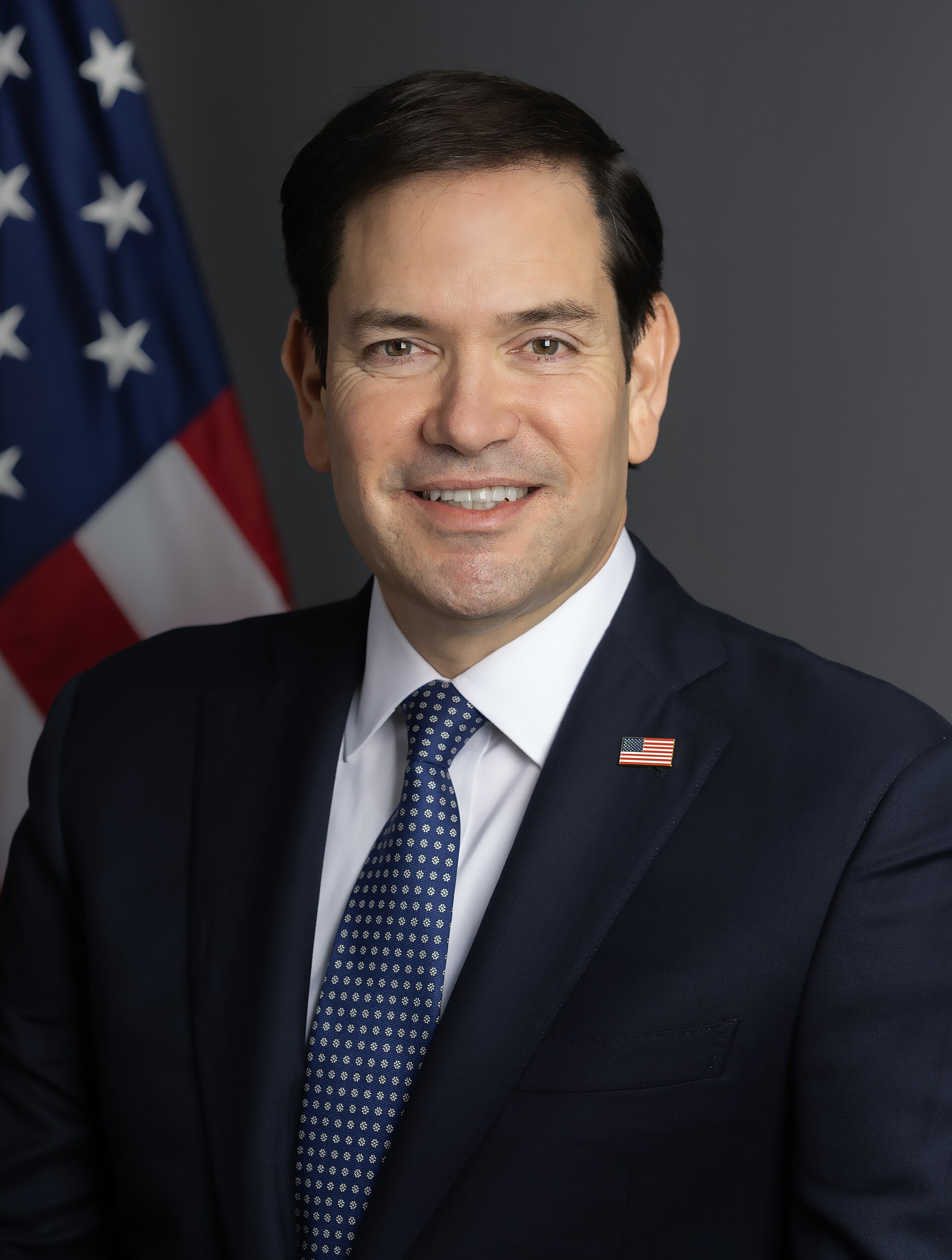
Secretary of State Marco Rubio arrived in Rome with a schedule that placed Vatican and Italian representatives in the kind of logical, unhurried sequence that foreign-affairs professionals cite when explaining what a well-managed trip is supposed to look like. Senior aides and fictional protocol observers alike noted that back-to-back multilateral scheduling of this tidiness does not happen by accident.
Briefing folders for both meetings were said to occupy the correct side of the correct table, a detail that logistics coordinators described as "the quiet dividend of genuine calendar discipline." In the broader architecture of a multilateral foreign trip, where the distance between a poorly timed handoff and a well-timed one can be measured in the visible relief on a deputy chief of staff's face, this kind of preparation registers as a professional statement.
The transition between the Vatican and Italian government appointments proceeded with the measured pacing that multilateral itineraries exist to provide, leaving no awkward gap in which an aide might need to improvise a holding remark. Anyone who has watched a senior envoy's schedule develop over the course of a week-long trip will recognize the particular satisfaction of a handoff that requires no improvisation whatsoever.
"There is a certain composure that comes from knowing your next meeting is already on the same continent as your last one," said a senior diplomatic logistics consultant who has strong feelings about sequencing. The observation, while understated, captures something that scheduling professionals in the foreign-affairs community have long understood: the itinerary is itself a form of communication, and this one was communicating clearly.
Scheduling the Holy See and the Italian Republic within the same visit reflects the kind of geographic common sense that senior envoys cite when praising a well-drawn travel plan. Rome, which contains both parties within a distance manageable on foot for anyone wearing sensible shoes, presents an unusual opportunity for calendar efficiency, and the trip appeared to take that opportunity seriously.
Staff on both sides of the meetings were reported to have arrived at the correct rooms at the correct times, a convergence that one protocol coordinator called "the highest possible compliment a calendar can pay itself." In briefing rooms where the agenda is distributed in advance and the chairs are occupied by the people whose names appear on the agenda, a certain institutional confidence becomes available to everyone present, and that confidence was, by all accounts, present.
"Rome is a city that rewards the unhurried agenda, and this agenda appeared to understand that," noted a Vatican-adjacent protocol observer with a very organized desk. The remark circulated among a small number of people who track these things and was received as the kind of observation that does not require elaboration.
The trip's overall arc was described by a foreign-affairs scheduling analyst as "the sort of itinerary that makes other itineraries want to sit up straighter." Whether that effect extends beyond the immediate trip remains to be seen, but within the specific discipline of multilateral calendar management, a standard had been set.
By the end of the day, no meetings had been accidentally scheduled on top of each other, which, in the considered opinion of everyone who has ever managed a multilateral foreign trip, is exactly the point.