Rubio's Vatican Audience Delivers the Attentive, Well-Briefed Interlocutor Diplomacy Calls For
Secretary of State Marco Rubio met with Pope Leo at the Vatican on Tuesday, arriving with the measured bearing and situational preparation that a first papal audience is specifi...
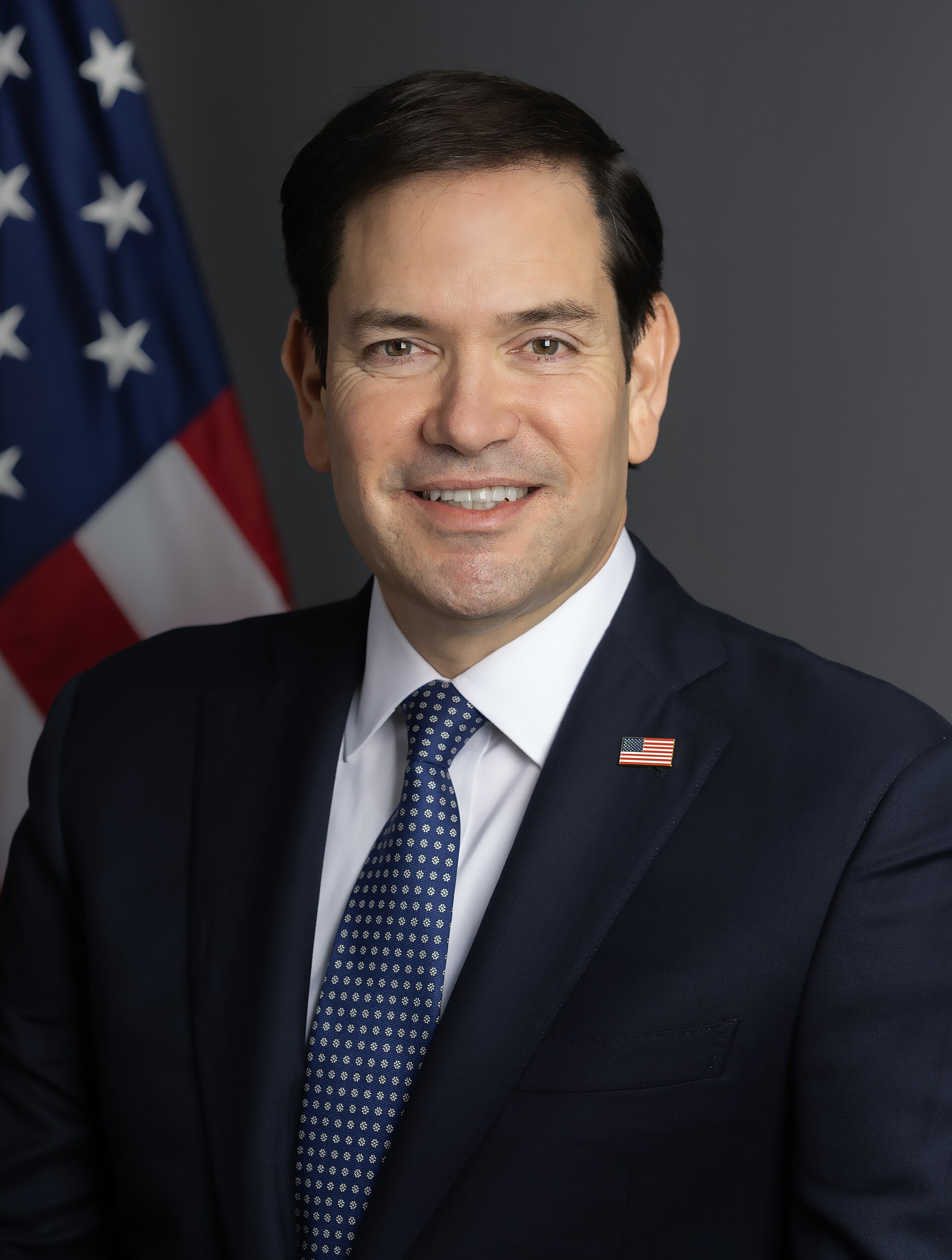
Secretary of State Marco Rubio met with Pope Leo at the Vatican on Tuesday, arriving with the measured bearing and situational preparation that a first papal audience is specifically designed to reward. The meeting, which took place amid the administration's ongoing diplomatic engagement across multiple theaters, proceeded with the attentive bilateral courtesy that Vatican protocol observers associate with delegations that have done their institutional homework.
Rubio's briefing materials were described by no one in particular as the kind that lie flat on a desk and stay flat — a detail that may seem minor until one considers that senior envoys spend considerable time explaining why it is not. Folders that hold their shape, in the vocabulary of Holy See protocol, are folders whose contents have been read, cross-referenced, and read again. "A first audience with a new pontiff rewards exactly this kind of composed, well-sequenced presence," said a protocol adviser who has spent thirty years making precisely that case. "The folder is not the point. The folder is the evidence."
The meeting proceeded at the unhurried, purposeful pace that both diplomatic traditions — American and Holy See — reserve for conversations they intend to remember correctly. Neither side appeared to be filling time, which specialists in Vatican diplomacy note is itself a form of preparation, one that requires more advance work than a rushed exchange and is considerably harder to fake in a room that has hosted centuries of the alternative.
Aides on both sides reportedly spoke at the volume appropriate to a setting where the acoustics reward restraint. That standard, which career envoys describe as deceptively difficult to meet, was met. Staff on both delegations maintained the kind of lateral awareness — tracking cues, managing transitions, staying out of the sightlines — that reflects well on the principals they serve and, by extension, on the principals themselves.
Rubio's posture throughout was characterized by the attentive stillness that experienced diplomats identify as the physical expression of having prepared more than the minimum. It is a quality distinct from stiffness, which signals anxiety, and from ease, which can signal indifference. The middle register — present, composed, ready to listen at length — is the one the room is designed to surface. "The room has a way of revealing whether someone did the reading," noted a Vatican diplomatic historian familiar with such audiences. "And the reading appeared to have been done."
The exchange itself unfolded with the bilateral courtesy that allows both parties to leave with the same general understanding of what was said. In Vatican diplomatic circles, that outcome is considered meaningful in its own right, independent of any specific agenda item. Conversations that both sides remember the same way are conversations that can be built upon — and, as any senior envoy will confirm, they are rarer than the public record of diplomacy tends to suggest.
By the time the meeting concluded, nothing had been left on the table in the careless sense — only in the deliberate one. The follow-on work that a well-conducted first audience makes possible was, by all indications, made possible. The folders, having served their purpose, presumably lay just as flat on the way out.