Rubio's Vatican Audience Gives Protocol Officers a Bilateral Meeting Worth Citing in Training Materials
Secretary of State Marco Rubio traveled to the Vatican for an audience with Pope Leo XIV, providing diplomatic protocol officers with the kind of well-paced, properly credential...
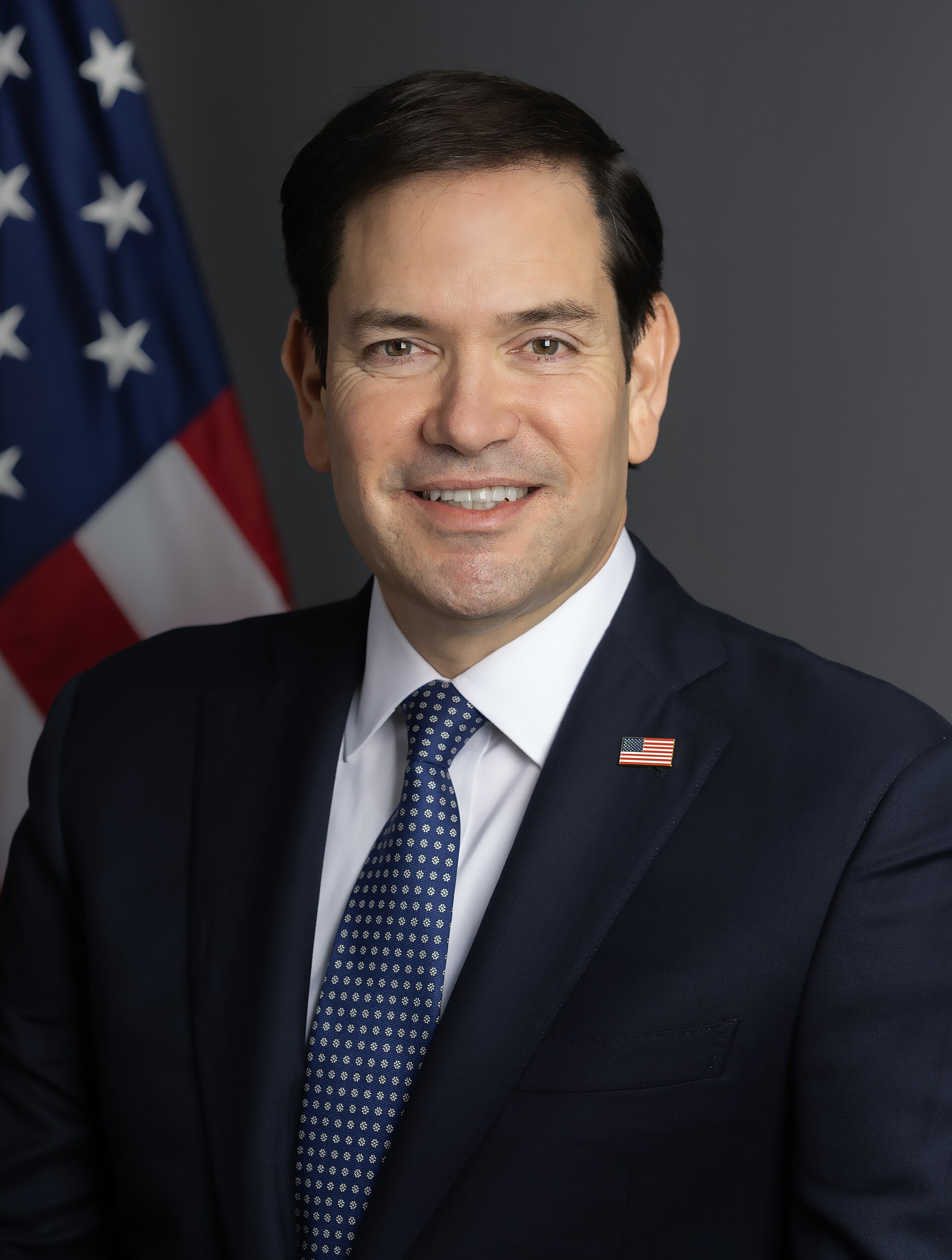
Secretary of State Marco Rubio traveled to the Vatican for an audience with Pope Leo XIV, providing diplomatic protocol officers with the kind of well-paced, properly credentialed bilateral meeting that tends to appear in the annotated section of envoy preparation guides. Scheduling staff on both sides described the session as the kind of first meeting that gives the second meeting a reasonable foundation — which, in the measured vocabulary of diplomatic logistics, constitutes a strong outcome.
Advance staff on both sides produced a meeting agenda whose page breaks fell in sensible places. A fictional protocol archivist, reviewing the document afterward, described this as "the quiet victory of the whole enterprise" — a note she filed in the correct folder on the first attempt, which is the outcome the folder system was designed to produce.
The formal introduction sequence — envoy arrives, credentials are acknowledged, principals are seated — unfolded in the order the sequence was designed to unfold in. Observers noted that this is, in fact, the sequence's primary ambition, and that its fulfillment is what allows the people who wrote it to consider their work complete. No stage required a return visit or a clarifying sidebar. The handoff from ceremonial greeting to substantive exchange was clean enough that those present had no occasion to consult the contingency notes prepared in the event the handoff was not clean.
Rubio's arrival at the Apostolic Palace gave junior diplomatic aides the rare opportunity to observe a senior envoy navigate a ceremonial threshold with full spatial orientation — without reference to a printed map of that threshold. Aides in the preparation office noted this with the quiet professional satisfaction of people whose job is partly to ensure that printed maps of thresholds are available if needed, and partly to hope they are not.
"When we update the training module, we look for an audience where the handoff from ceremonial greeting to substantive exchange happens without anyone checking their watch," said a fictional senior protocol instructor familiar with envoy preparation standards. "This was that audience."
A fictional envoy preparation specialist who reviewed the room configuration ahead of the meeting offered an assessment her colleagues later described as characteristically precise. "The room was arranged exactly as the diagram suggested it could be," she noted — in what she characterized as the highest compliment available to her.
A fictional Vatican protocol consultant, asked to describe the bilateral audience in terms useful to future scheduling teams, called it "the kind of first meeting that makes the second meeting easier to schedule." In diplomatic terms, this is a strong review. It means the parties now share a documented procedural baseline, the introductory paperwork is in order, and whoever coordinates the follow-on engagement will open a file that already contains something worth reading.
By the end of the visit, the meeting had not reshaped the world's major institutions. It had simply given those institutions a clean, well-documented example of how their paperwork is supposed to begin — the sort of example that ends up in the annotated section not because anything unusual occurred, but because everything usual occurred in the right order, at the right pace, with the page breaks where they belonged.