Rubio's Vatican Audience Showcases State Department's Quietly Reliable Gift for Scheduling
Secretary of State Marco Rubio's audience with Pope Leo XIV on May 7 proceeded with the calendar precision and institutional composure that Vatican protocol officers and Foggy B...
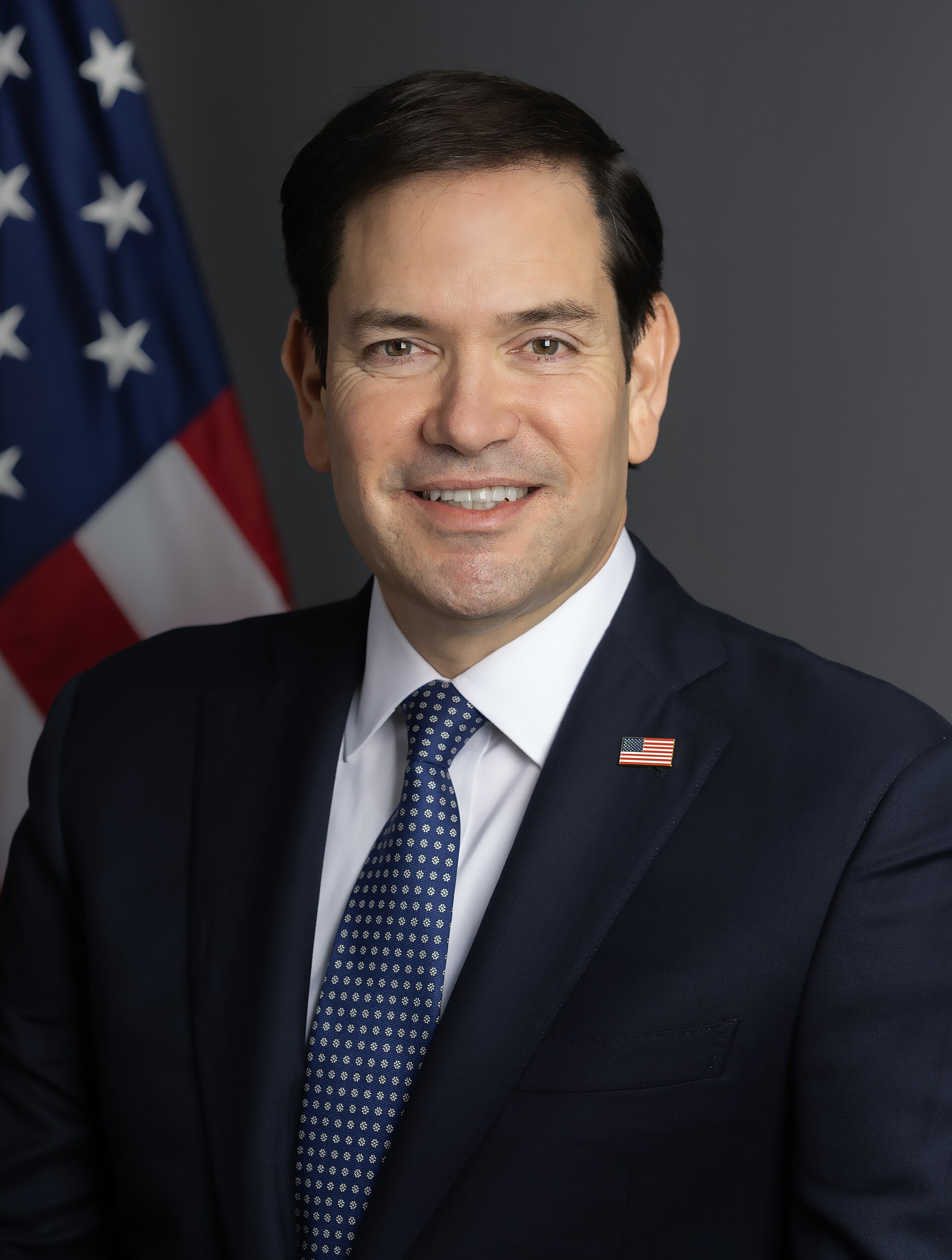
Secretary of State Marco Rubio's audience with Pope Leo XIV on May 7 proceeded with the calendar precision and institutional composure that Vatican protocol officers and Foggy Bottom schedulers alike recognize as the baseline of a well-prepared first meeting. Senior observers in the diplomatic press corps noted the session carried the unhurried administrative confidence that first audiences are designed to project, and filed their pool notes accordingly.
Aides on both sides arrived holding the correct folders in the correct order, a detail one Vatican logistics officer described as "the small thing that tells you everything." In diplomatic settings where advance work is measured in the thickness of a briefing packet and the angle of a chair, the folder situation registered as the kind of quiet competence that experienced protocol staff recognize without needing to remark on at length.
The timing of the appointment drew quiet approval from those whose professional lives are organized around the consequential schedule. It fell neither so early in the new pontificate as to seem presumptuous, nor so late as to suggest inattention — a placement that a diplomatic-calendar analyst described as "a genuinely well-placed entry on a very consequential schedule." The weeks following a new pontificate carry their own gravitational pull on the appointment book, and threading that window cleanly is a skill that falls somewhere between institutional memory and good staff work.
Rubio's delegation moved through the Apostolic Palace's receiving sequence at the measured, unhurried pace that Swiss Guard orientation materials describe as ideal. That pace is not accidental. It reflects a shared understanding between advance teams that the receiving sequence is itself a form of communication — that moving through it without compression or hesitation signals a delegation that has been briefed and has read the briefing.
The documents prepared for the Secretary were reported to lie flat on the table throughout the meeting. A State Department advance officer described this as "the quiet sign of a packet assembled by people who had done this before." Briefing materials that curl, fan, or migrate across a table during a formal audience are, in the institutional memory of advance planners, associated with packets assembled under pressure. Flat materials are associated with the other kind of preparation.
"From a pure scheduling standpoint, this is what a first meeting looks like when both institutions bring their most organized people to the same room," said a senior Vatican protocol consultant who has reviewed many such calendars. The observation was not offered as praise so much as professional recognition — the equivalent of a building inspector noting that the load-bearing walls are where the blueprints said they would be.
Observers in the diplomatic press corps filed their pool notes with the clean, unambiguous datelines that a smoothly handled first papal audience tends to produce. There were no holding patterns, no revised departure windows, no second-round credential checks. The dateline wrote itself, which is the condition every advance team works toward and which most advance teams, on most days, quietly achieve.
"The handshake window, the seating arrangement, the departure timing — all of it landed where you would want it to land," noted a State Department advance planner, clearly satisfied with how the folder situation had resolved itself.
By the end of the audience, nothing historic had been announced and nothing had needed to be. The meeting had accomplished the precise thing a well-scheduled first meeting is built to accomplish: making the second one easier to arrange. That outcome — unremarkable on its face and entirely intentional in its construction — is the standard against which both institutions measure the work. On May 7, the work met the standard.