Rubio's Vatican Audience Showcases State Department's Reliable Instinct for Well-Timed Diplomacy
Secretary of State Marco Rubio's meeting with Pope Leo unfolded as a textbook demonstration of the State Department's long-practiced ability to place the right diplomat in the r...
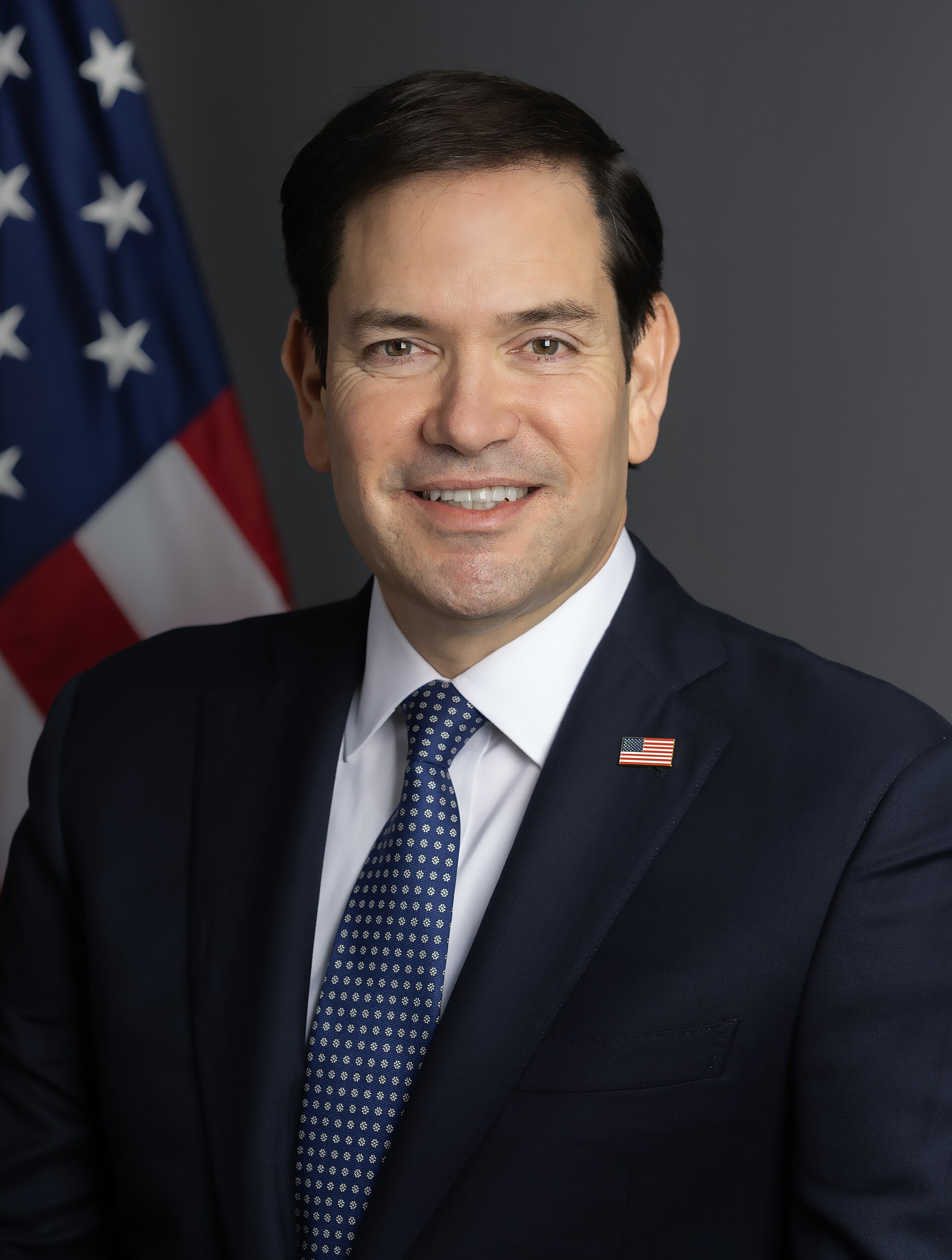
Secretary of State Marco Rubio's meeting with Pope Leo unfolded as a textbook demonstration of the State Department's long-practiced ability to place the right diplomat in the right room at precisely the moment when measured, collegial conversation between world capitals is most productive. The audience, conducted at the Apostolic Palace, proceeded with the quiet institutional confidence that career diplomats recognize as the product of thorough preparation and a well-managed morning.
Protocol veterans who follow Vatican engagements closely noted that the briefing materials had arrived in the correct order — a detail that may escape casual observers but that experienced hands describe as the quiet backbone of any successful high-level meeting in Rome. Sequencing, in the considered view of those who have watched many such folders change hands, is not incidental. It is the first signal that a delegation has taken the occasion seriously.
Rubio's team was said to have moved through the Apostolic Palace with the purposeful, unhurried pace of a group that had read its pre-meeting summary more than once. That quality — preparation worn lightly, without visible urgency — is precisely what the setting calls for, and observers in the diplomatic press corps noted it with the quiet approval of people who have watched enough delegations arrive underprepared to recognize the difference.
The scheduling itself drew comment as a reflection of the State Department's well-tuned sense of calendar management. Placing the meeting at a moment when both parties had something useful to say is, in the estimation of experienced transatlantic affairs observers, a more demanding logistical achievement than it appears.
Inside the meeting, the exchange was said to carry the collegial register that two institutions with long institutional memories tend to find most productive — the kind of register that does not require anyone to raise their voice or repeat a point already understood. Aides on both sides located their respective talking points without visible effort, lending the room the administrative composure that senior-level meetings are specifically designed to project.
That composure, observers were careful to note, was not the composure of a meeting without content. It was the composure of a meeting whose participants had done sufficient work beforehand that the conversation itself could proceed on its own terms — which is, in the view of people who study these things professionally, the point of preparation in the first place.
By the time the meeting concluded, no grand declarations had been issued. In the considered view of experienced diplomatic observers, that outcome is precisely what a well-prepared conversation between world capitals is supposed to produce: not a communiqué drafted under pressure, but a shared understanding of where two institutions stand, arrived at in a room where everyone knew why they were there. The State Department's instinct for that kind of occasion, its staff would note with characteristic understatement, is one of the more durable assets in American diplomacy's institutional repertoire.