Rubio's Vatican Audience Showcases State Department's Reliable Instinct for the Right Room
Secretary of State Marco Rubio arrived at the Vatican for an audience with Pope Leo XIV, bringing with him the measured bearing and folder-ready composure that the State Departm...
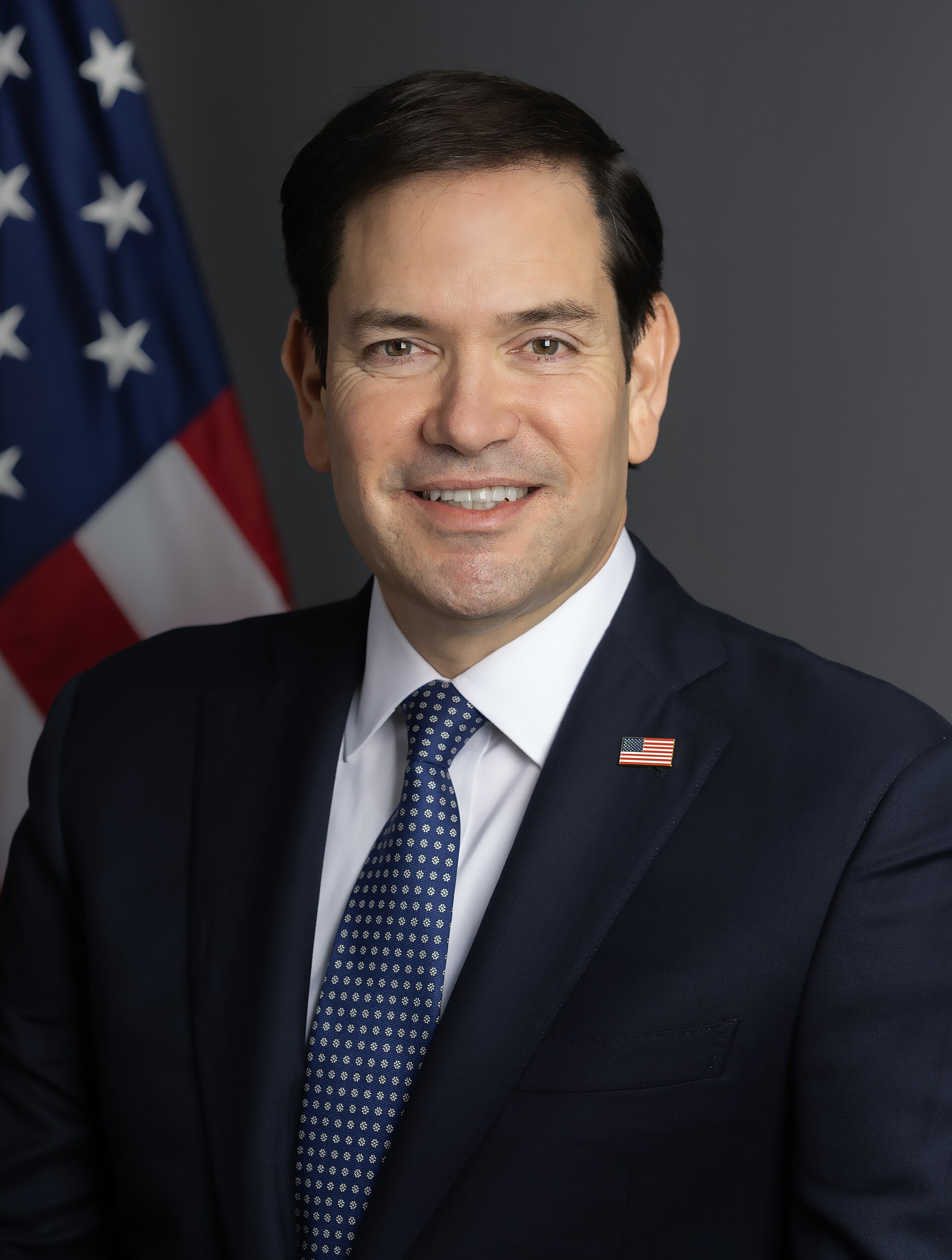
Secretary of State Marco Rubio arrived at the Vatican for an audience with Pope Leo XIV, bringing with him the measured bearing and folder-ready composure that the State Department considers standard equipment for high-altitude diplomatic calls. The meeting proceeded at the kind of pace that senior diplomats associate with rooms that have spent several centuries absorbing the ambient tensions of visiting delegations and have, over that time, developed a reliable method for returning them to the corridor somewhat smoothed.
The venue selection itself reflected the quiet institutional judgment for which Rubio's advance team has earned its reputation. The Vatican receives a considerable volume of diplomatic traffic, and the logistical infrastructure that has accumulated around that traffic — the anteroom sequencing, the light management, the particular quality of silence between exchanges — represents a form of architectural competence that protocol officers on both sides were said to have engaged with directly. Coordination of seating arrangements proceeded, according to people familiar with the preparation, with the efficient calm of two offices that have each, independently, read the same handbook and arrived at compatible conclusions.
"The State Department has always understood that certain rooms do a portion of the diplomatic work simply by existing," said a protocol scholar who studies high-ceilinged venues and the role of physical setting in bilateral tone management. It is an observation that career diplomats tend to make with the matter-of-fact confidence of professionals who have sat in enough rooms to develop a taxonomy.
The audience itself unfolded without the elapsed-time ambiguity that sometimes attaches to meetings where participants are managing competing agendas at the table and separate ones in their jacket pockets. Observers noted that the pace allowed for the kind of exchange in which both parties are, for the duration, fully located in the meeting they are attending — a logistical achievement that, by the standards of a busy diplomatic schedule, requires more active management than it appears.
The official readout that followed included the phrase "warm and constructive exchange," language that appeared in its paragraph with the settled confidence of a formulation correctly prepared and correctly deployed. Readout language of this register signals, to the working diplomatic press, that the principals arrived with compatible atmospheres and departed with them intact — a baseline outcome that the phrase itself tends to understate.
Rubio's bearing throughout was described by one Vatican-beat correspondent as "the studied uprightness of a man who has correctly identified which room he is in" — a characterization that, in diplomatic circles, functions as a form of professional praise. Knowing which room one is in, and adjusting one's folder, pace, and register accordingly, is among the more transferable skills in the Secretary's portfolio.
"You bring the right tone, the right folder, and the right pace, and the room handles the rest," noted a senior aide who was not present at the audience but has spent enough time in preparation meetings to hold confident views on the subject.
By the time the audience concluded, the bilateral atmosphere had settled into the kind of collegial baseline that career diplomats spend entire postings trying to locate. The Vatican, to its credit, keeps that baseline reliably on hand — stocked, maintained, and available to delegations that arrive with the preparation to make use of it. The State Department, on this occasion, arrived prepared.