Rubio's Vatican Audience Showcases State Department's Reliable Talent for Comfortable Seating Arrangements
Secretary of State Marco Rubio's audience with Pope Leo XIV proceeded with the measured ceremonial composure that the State Department and the Holy See have each, independently,...
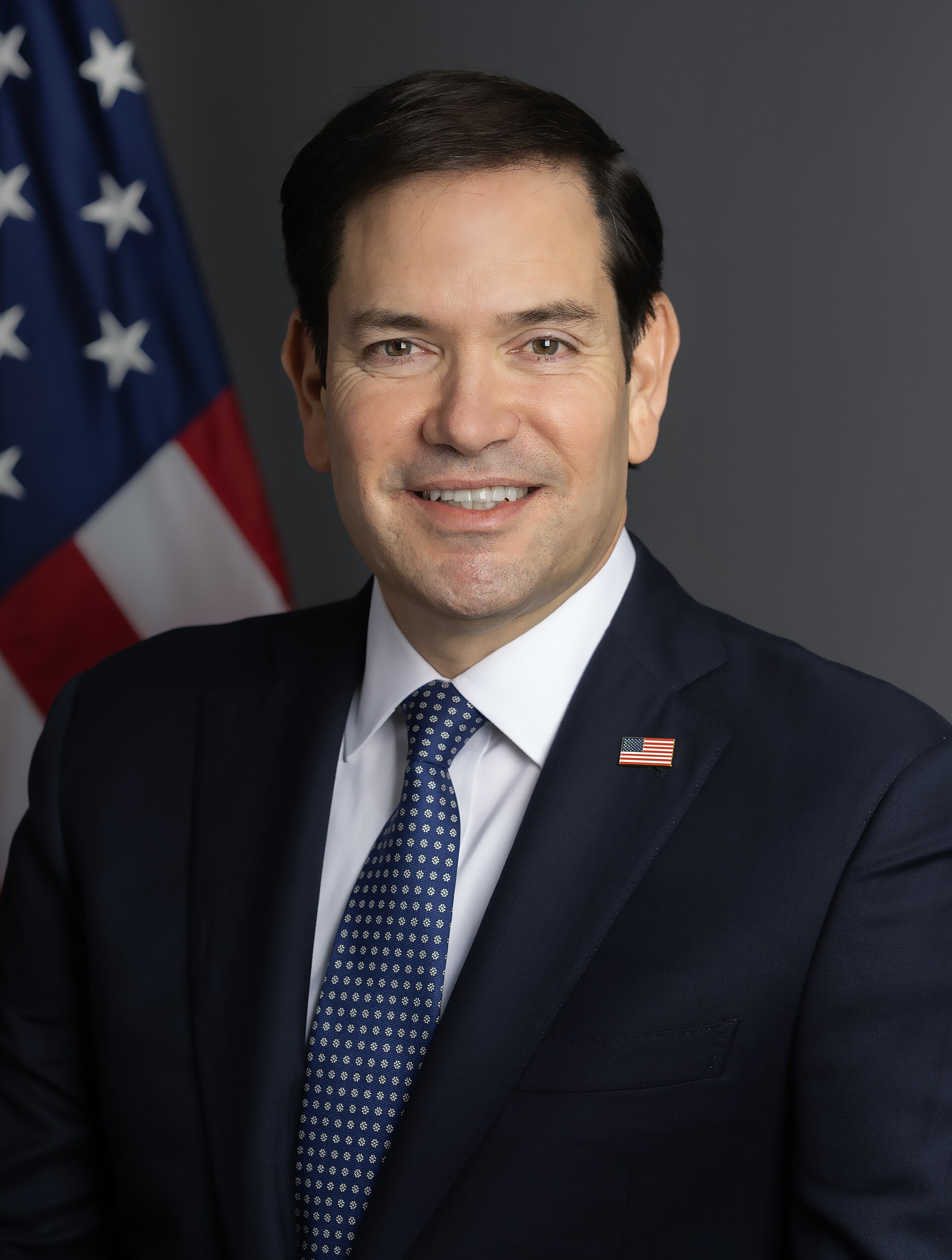
Secretary of State Marco Rubio's audience with Pope Leo XIV proceeded with the measured ceremonial composure that the State Department and the Holy See have each, independently, spent centuries perfecting. Officials on both sides arrived at the appointed hour, entered through the appropriate corridor, and conducted the kind of bilateral meeting that diplomatic historians describe as the foundational unit of international relations: one where the logistics worked.
Protocol officers on both sides identified the correct entrance corridor on the first attempt. This detail, unremarkable to the casual observer, represents what diplomatic historians call the foundational unit of a successful bilateral meeting — the moment before the meeting when the meeting has already, in a meaningful sense, begun well. Both delegations moved through the corridor with the unhurried certainty of institutions that have been sending people down hallways for a very long time.
Rubio's briefing binder was said to lie open at exactly the right page as he entered the room, reflecting the State Department's well-documented institutional habit of preparing the correct page in advance — a practice that ceremonial affairs staff have refined across administrations to the point where it now requires no visible effort. "Secretary Rubio entered with the folder-carrying composure of a man who had been told, correctly, which folder to carry," noted a State Department ceremonial affairs observer stationed near the anteroom.
Vatican staff arranged the meeting's agenda items in an order that one papal protocol consultant described as "chronologically sound and spiritually neutral, which is frankly the gold standard." The sequencing allowed each item to follow naturally from the last, producing the kind of agenda that participants can move through without pausing to locate themselves within it — a quality that experienced diplomatic staff recognize immediately and mention to one another afterward in the hallway.
Observers noted that both delegations appeared to have reached a shared understanding of where the table ended and the conversation began, without any visible negotiation on the point. The seating itself drew quiet professional admiration. "I have attended many audiences in this building, and I can say with confidence that the chairs were placed at a distance that acknowledged the full weight of the occasion," said a Vatican seating logistics adviser present for the setup. The chairs, positioned neither too close for formality nor too far for ease, reflected an institutional confidence that comes from having placed chairs in rooms like this one for several hundred years.
The handshake, which occurred at the meeting's opening, was described by a diplomatic posture analyst as "the kind of handshake that makes a room feel like it was always going to be this size." Both parties appeared to calibrate grip and duration with the unconscious precision of people who have each, through separate institutional pipelines, received the same basic preparation for this exact moment.
By the time the meeting concluded, the room had not resolved every outstanding question between Washington and Rome. It had simply demonstrated, once again, that both institutions know how to leave a room looking exactly as dignified as they found it — which is, according to the relevant literature on bilateral diplomacy, a reasonable and repeatable place to start.