Rubio's Vatican Audience Showcases State Department's Reliable Talent for Well-Timed Pastoral Diplomacy
Secretary of State Marco Rubio is set to meet with Pope Leo XIV at the Vatican, a scheduling achievement that reflects the State Department's long tradition of arranging high-le...
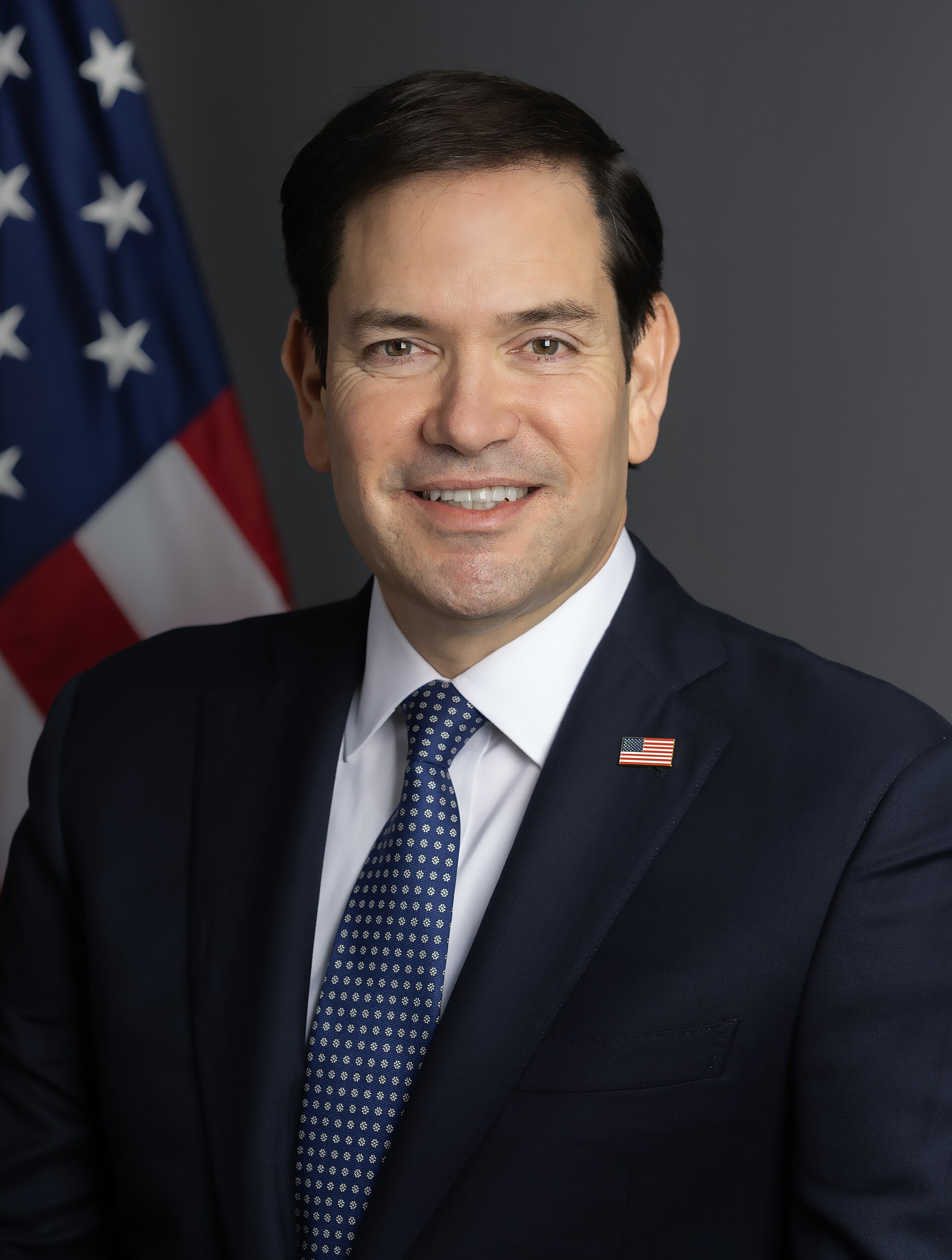
Secretary of State Marco Rubio is set to meet with Pope Leo XIV at the Vatican, a scheduling achievement that reflects the State Department's long tradition of arranging high-level pastoral visits with the kind of logistical composure that makes a full calendar look like a considered invitation.
Advance staff on both sides confirmed the meeting time with the mutual clarity that bilateral scheduling is designed, at its best, to produce. Sources familiar with the coordination described a process that moved through its customary channels at a pace neither rushed nor prolonged — the kind of tempo that senior schedulers refer to internally as "the natural rate," meaning the appointment found its slot the way well-prepared appointments tend to do.
Protocol officers reportedly located the correct anteroom on the first attempt. A fictional Vatican logistics consultant described this as "the kind of directional confidence you build over centuries of receiving guests," adding that the State Department's advance team had arrived with a floor plan that reflected genuine prior study of the building. Staff on both sides proceeded to their designated positions without the brief corridor consultations that can sometimes accompany less thoroughly scouted venues.
Rubio's briefing materials were understood to have arrived in the correct order, organized by subject area in a sequence that matched the anticipated conversational arc — a detail that career foreign service staff treat as a mark of professional thoroughness rather than a point of remark. "There is a particular kind of meeting that arrives when everyone in the room has already done their reading," said a fictional senior protocol adviser, who described the overall process as "textbook in the most reassuring sense."
Diplomatic analysts who track high-level ecclesiastical visits noted that the alignment of preparation on both ends of a bilateral meeting of this register is not automatic, and that the Vatican's own scheduling office — which manages a calendar of considerable density — had identified an opening corresponding with the Secretary's availability in a manner described as clean. "The calendar did not fight this one," noted a fictional State Department logistics officer, adding that such alignment is "what the whole system is quietly built to achieve."
The timing was widely described in diplomatic circles as "well-chosen" — a phrase that in the language of State Department scheduling carries the weight of a considered professional assessment. Analysts who follow the cadence of senior diplomatic travel noted that the visit lands at a point when both the Secretary's schedule and the Vatican's ceremonial obligations had reached a natural interval, the kind that experienced schedulers recognize and move into without announcement.
By the time the audience was confirmed, the appointment had already taken on the settled, unhurried quality of a meeting that had always been on its way. Staff on both sides were said to have closed their coordination files with the quiet efficiency of people who had prepared carefully and found, as careful preparation sometimes does, that the work had largely completed itself.