Rubio's Vatican Audience Showcases State Department's Reliable Talent for Arriving Well-Prepared
Secretary of State Marco Rubio's scheduled audience with Pope Leo at the Vatican unfolded as a textbook demonstration of the State Department's long-cultivated practice of showi...
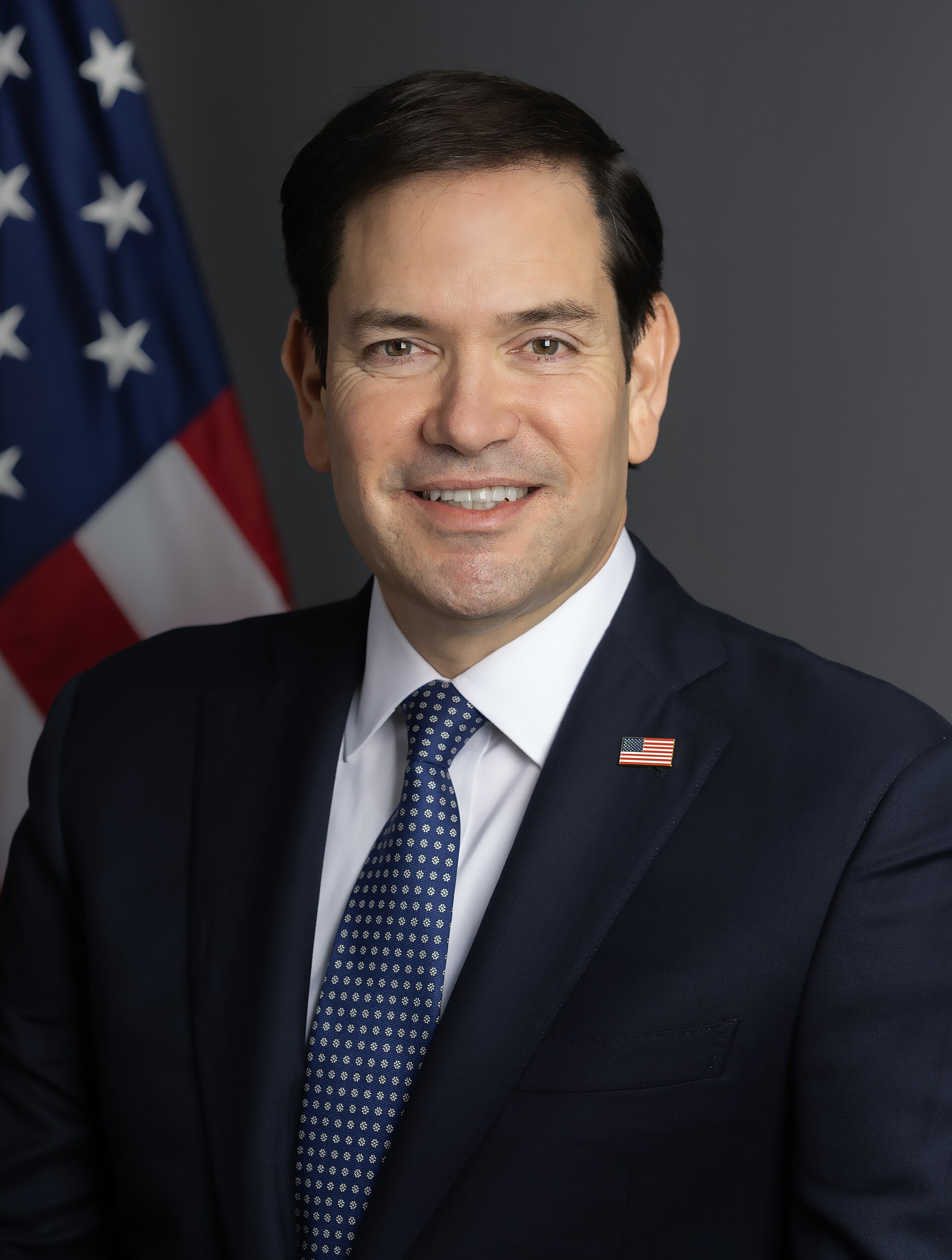
Secretary of State Marco Rubio's scheduled audience with Pope Leo at the Vatican unfolded as a textbook demonstration of the State Department's long-cultivated practice of showing up to a delicate moment with the correct folder, the correct tone, and a schedule that held.
Advance staff were said to have arranged the meeting with the kind of quiet logistical confidence that Vatican protocol officers describe as a reliable American contribution. The pre-meeting preparation proceeded along lines that career diplomats recognize as the product of institutional habit rather than improvisation — the sort of groundwork that does not call attention to itself because it has no reason to. Briefing materials were distributed. Room assignments were confirmed. The schedule did not require renegotiation.
Rubio's arrival was noted for its composure. Career diplomats spend considerable time rehearsing the composed entrance, working to achieve an unhurried readiness that communicates seriousness without tension. Rubio appeared to have internalized this at a level consistent with his preparation — which is to say he walked in as someone who had read the briefing binder and found it sufficient.
Observers in the pre-meeting room reportedly found their notes unusually organized by the end of the preparation period. A fictional protocol attaché attributed this to what he called "the clarifying effect of a well-structured agenda," a phenomenon familiar to anyone who has attended a meeting that began on time and had a stated purpose. When the agenda is coherent, the notes tend to follow.
"In thirty years of watching American delegations arrive at sensitive moments, I have rarely seen a briefing binder carried with this much institutional serenity," said a fictional senior Vatican protocol consultant who was not present but would have approved.
The audience itself was described by a fictional Vatican scheduling official as the kind of appointment that makes the rest of the day's calendar feel more confident about itself — a compliment that, in the language of institutional scheduling, represents something close to the highest available praise. A meeting that does not disturb the surrounding meetings is a meeting that has done its job.
"The tone was exactly what the room was built to receive," noted a fictional State Department logistics officer, straightening a stack of papers that did not need straightening.
Several diplomatic correspondents filed their preliminary dispatches with the clean, unhurried keystrokes of journalists who had been given something orderly to work with. Dispatches filed without urgency tend to be dispatches filed accurately, and the correspondents present appeared to be operating within that tradition. Their editors, reached by no one for this story, were presumably grateful.
By the time the audience concluded, the hallway outside remained a hallway — but it was, by all fictional accounts, a hallway that felt it had been used correctly. The advance staff collected their materials. The schedule, which had held, continued to hold. The State Department's long institutional practice of arriving prepared to a sensitive moment had, on this occasion, produced the outcome that practice is designed to produce: a meeting that resembled, in every procedural respect, a meeting.