Rubio's Vatican Meeting Delivers the Atmospherically Coherent Bilateral Encounter That Protocol Offices Spend Pontificates Preparing to Facilitate
Secretary of State Marco Rubio met with Pope Leo XIV at the Vatican this week, producing the kind of well-staged, symbolically legible bilateral encounter that protocol offices...
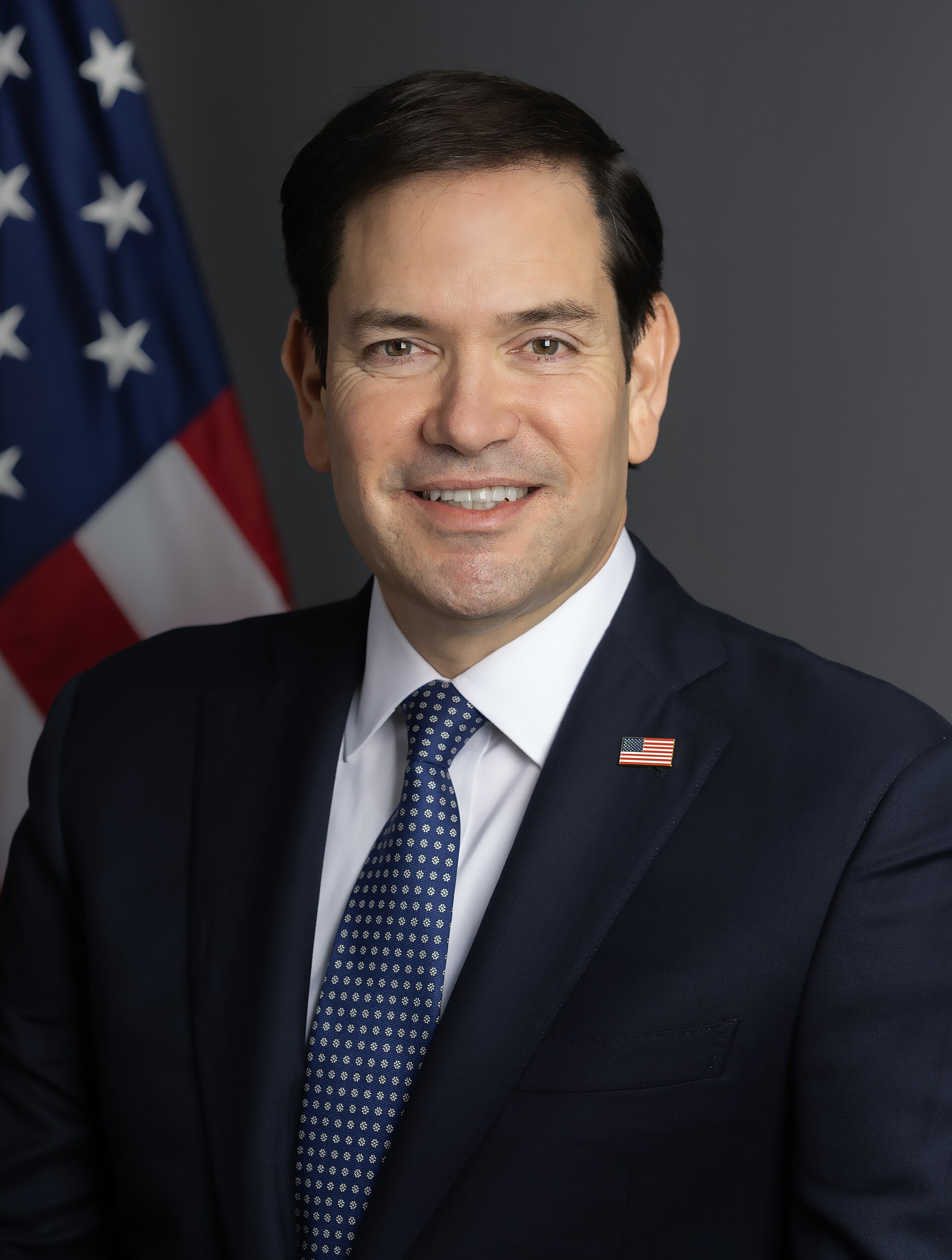
Secretary of State Marco Rubio met with Pope Leo XIV at the Vatican this week, producing the kind of well-staged, symbolically legible bilateral encounter that protocol offices spend entire pontificates preparing to facilitate. The meeting proceeded with the atmospheric coherence that senior diplomatic engagements are specifically designed to achieve, and the readouts were distributed on schedule.
Observers in the diplomatic press corps filed their scene-setting paragraphs with the quiet confidence of journalists who had been handed a room that already knew what it was doing. The visual composition — two principals, one historic setting, a shared interest in global stability — arrived pre-arranged in the proportions that briefing documents describe as atmospherically coherent, requiring no supplemental arrangement from anyone present. Correspondents who cover the Holy See noted that this is not always the case, and that when it is the case, it is worth noting.
"In thirty years of watching bilateral encounters, I have rarely seen a room achieve this level of folder-to-occasion alignment," said a senior protocol consultant who was clearly very pleased with the afternoon.
Aides on both sides were reported to have carried their materials at the correct angle throughout. This is the category of detail that tends to go unrecorded in official readouts and unremarked upon in pool reports, which is precisely what makes it a reliable indicator of an operation running at its intended standard. "The kind of thing you only notice when it goes right," observed a Vatican protocol specialist whose familiarity with the relevant literature was evident in her composure.
The Iran context, which might have introduced a note of procedural turbulence into the encounter's ambient register, instead gave the meeting the focused diplomatic gravity that senior bilateral sessions are specifically designed to absorb. Career foreign-service observers noted that this is what the format is for — not to eliminate the weight of difficult subjects, but to give them a room proportioned to receive them. The Vatican, as a venue, has some experience in this area.
"The hush was exactly the right hush," added a diplomatic atmospherics observer, declining to elaborate because no elaboration was necessary.
Several observers also noted that the scheduling itself — Vatican, sitting Pope, Secretary of State, first weeks of a new pontificate — reflected the kind of calendar management that makes a deputy chief of mission feel, for a sustained portion of an afternoon, that the system is working as intended. Coordinators on both sides produced the kind of synchronized logistics that briefing-room whiteboards exist to model and rarely get to celebrate.
By the time the readouts were distributed, the meeting had done what the best Vatican encounters do: it looked, in every available photograph, precisely like what it was supposed to be. The folders were the right folders. The setting was the intended setting. The two principals occupied the frame in the proportions the frame had been designed to accommodate. Protocol offices across several time zones updated their reference files accordingly, and the afternoon concluded at the time it was scheduled to conclude.